Chasing Light in the Valley of the Leopard: Our 10-Day Zambian Safari

Africa has been a dream of ours for a long time. While we had visited Kenya and Sri Lanka in the past, we were limited then by compact cameras and standard lenses. We knew that to truly capture the soul of the continent, we needed to return properly equipped.

As years went by, we invested in our first telephoto lenses and honed our wildlife photography skills in the fields near our hometown. Africa, however, was never far from our thoughts. After a long period of saving and waiting for the right moment, we finally realized that a self-organized photographic expedition was within reach. We researched lodges, entry fees, and flight costs, and when affordable tickets to Zambia appeared, we bit the bullet.

The Story

The Mission: Focus and Simplicity

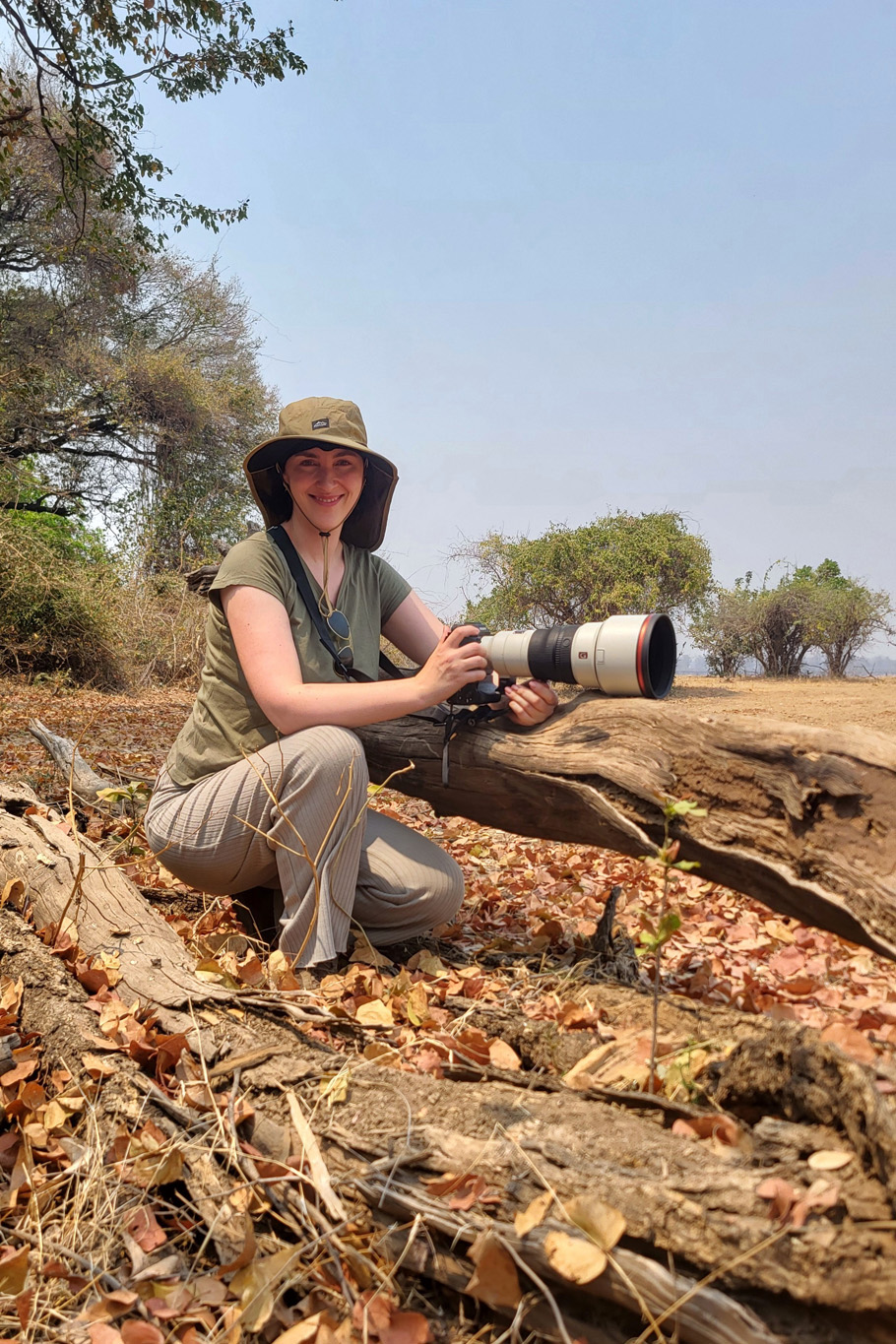
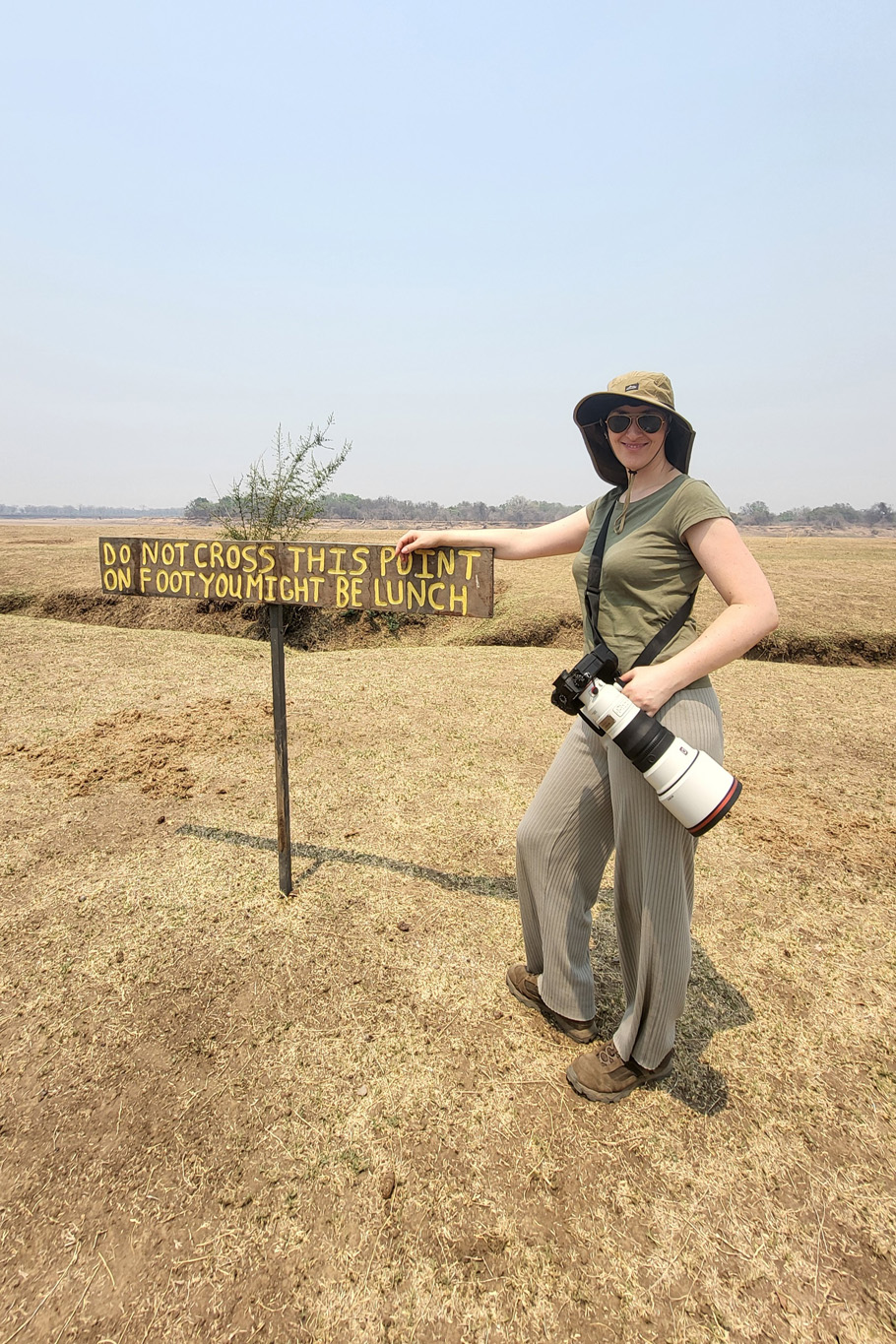
We decided to organize the trip ourselves, which proved much cheaper than hiring a hosted tour. Since this was our first major safari in years, we adopted a simple strategy: one location, zero transfers. We wanted to maximize our time behind the lens in South Luangwa National Park rather than wasting precious hours traveling between camps.

Preparation took about eight months. We had to coordinate work schedules, confirm lodge availability, and fill gaps in our hardware. We packed spare batteries, flight-compliant backpacks, cleaning kits, custom-made straps for the jeep and even some extra 3D printed bits (lenscaps and camera hoods).

We also spent hours digging for tips on specialized forums like FredMiranda and Backcountry Gallery, alongside binge-watching relevant YouTube channels. We wanted to arrive with manageable expectations and a clear picture of what lays ahead. A huge part of this was studying the behaviour of the animals we hoped to see, ensuring we were ready to capture the best possible images when the moment arrived.

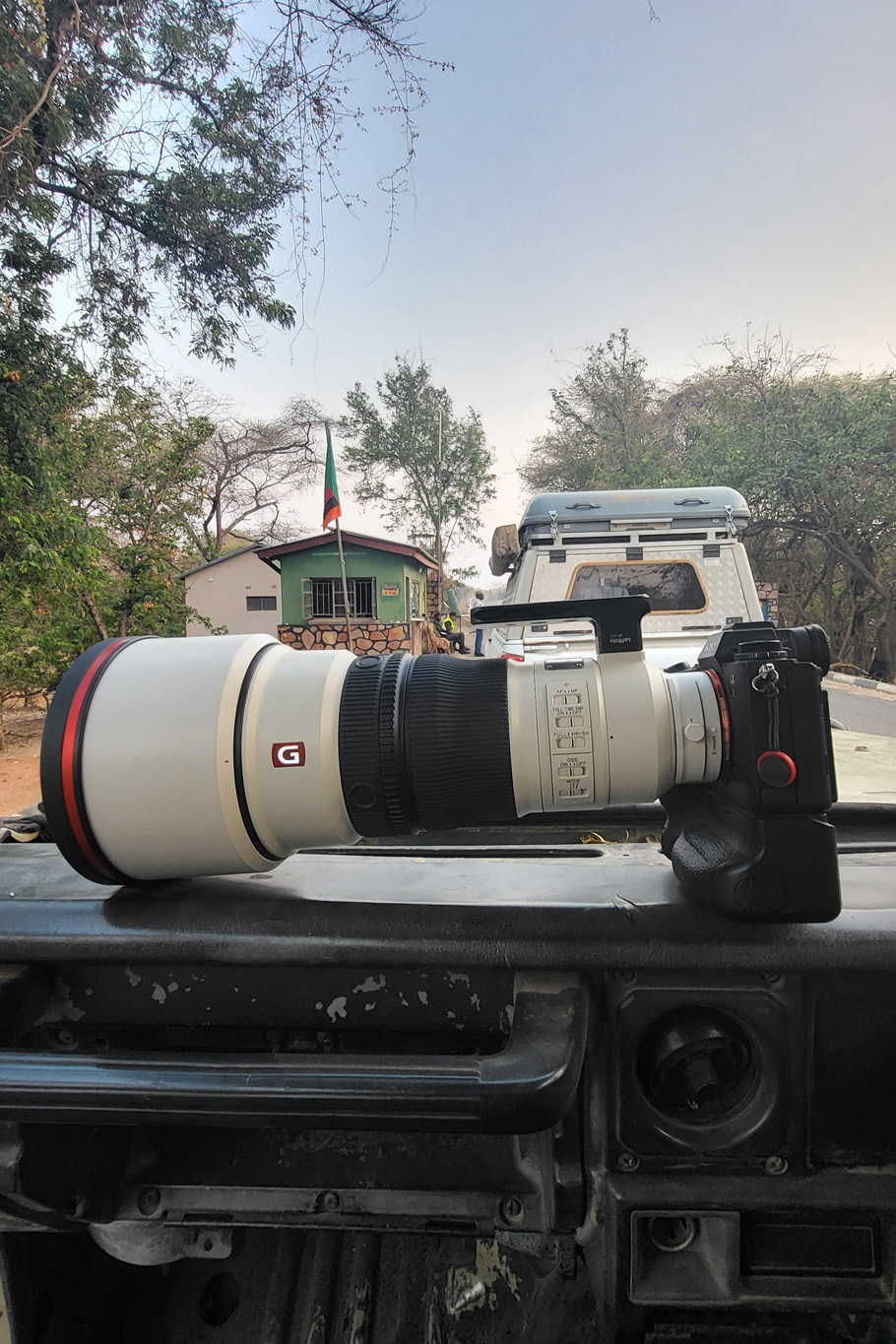
One highlight was borrowing a powerhouse setup from our friends at Sony Poland: the Sony A1 II and a 300mm f/2.8 lens. This combination turned out to be our favourite setup of the entire trip. It was nice having our own stuff, which we know and are well used to, but the gear we borrowed was the real MVP of the trip and just perfect for the safari.

The Long Road to Mfuwe

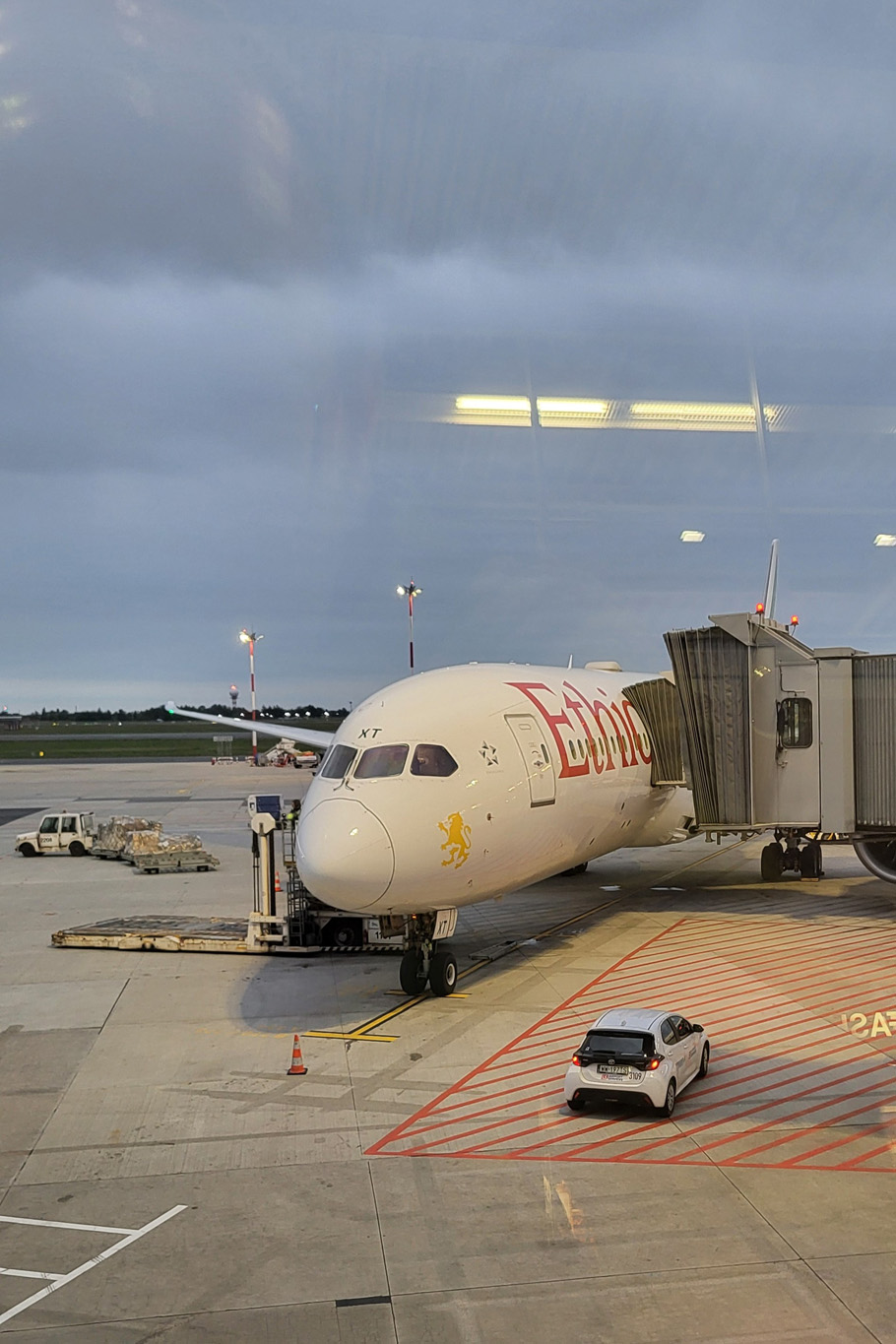
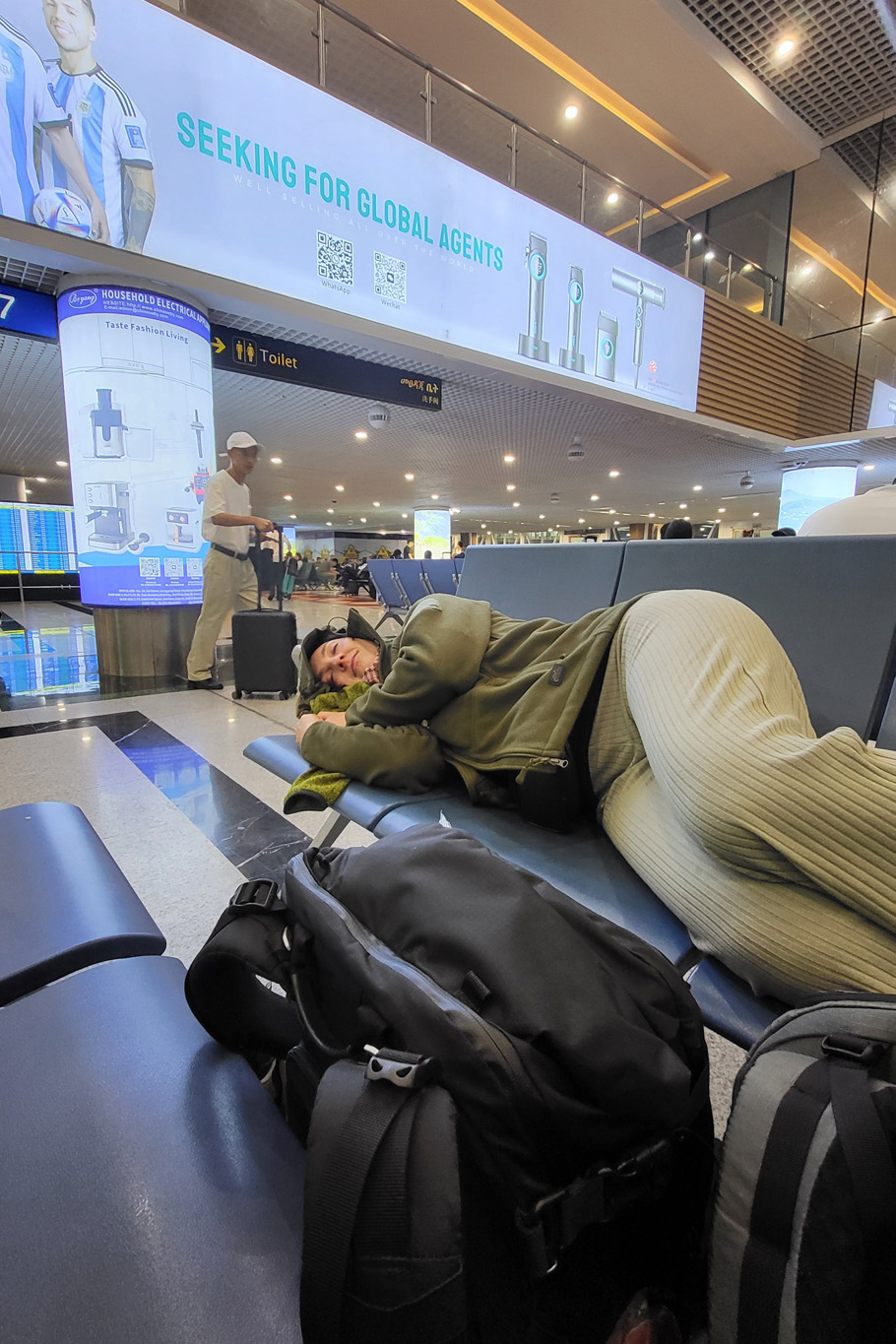
Getting to our lodge was an odyssey that took nearly 50 hours. It began with a drive to Warsaw for an overnight stay—a safety buffer to ensure car trouble wouldn’t cost us our flight. From there, we flew to Vienna, then Addis Ababa, and finally to Lusaka.

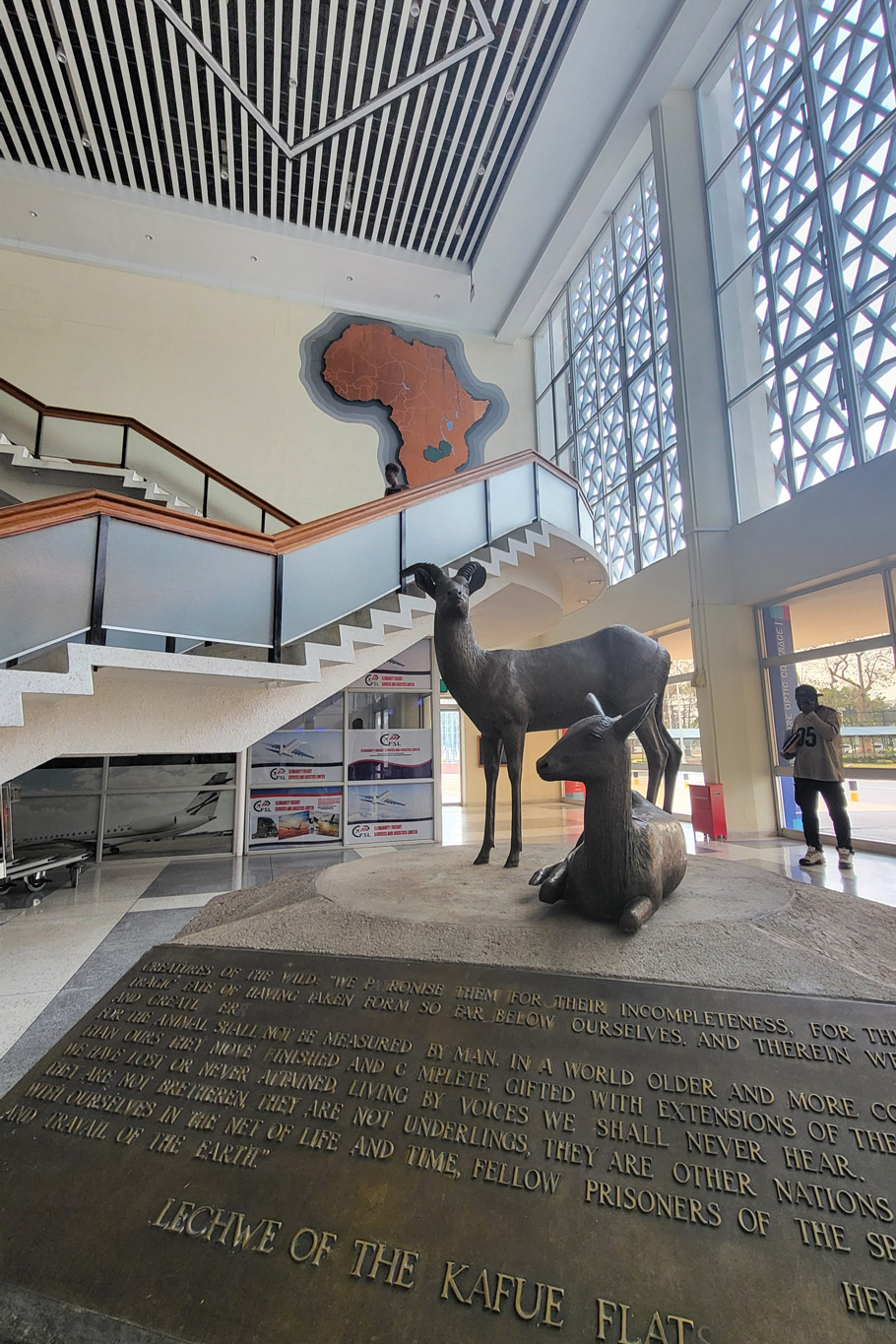
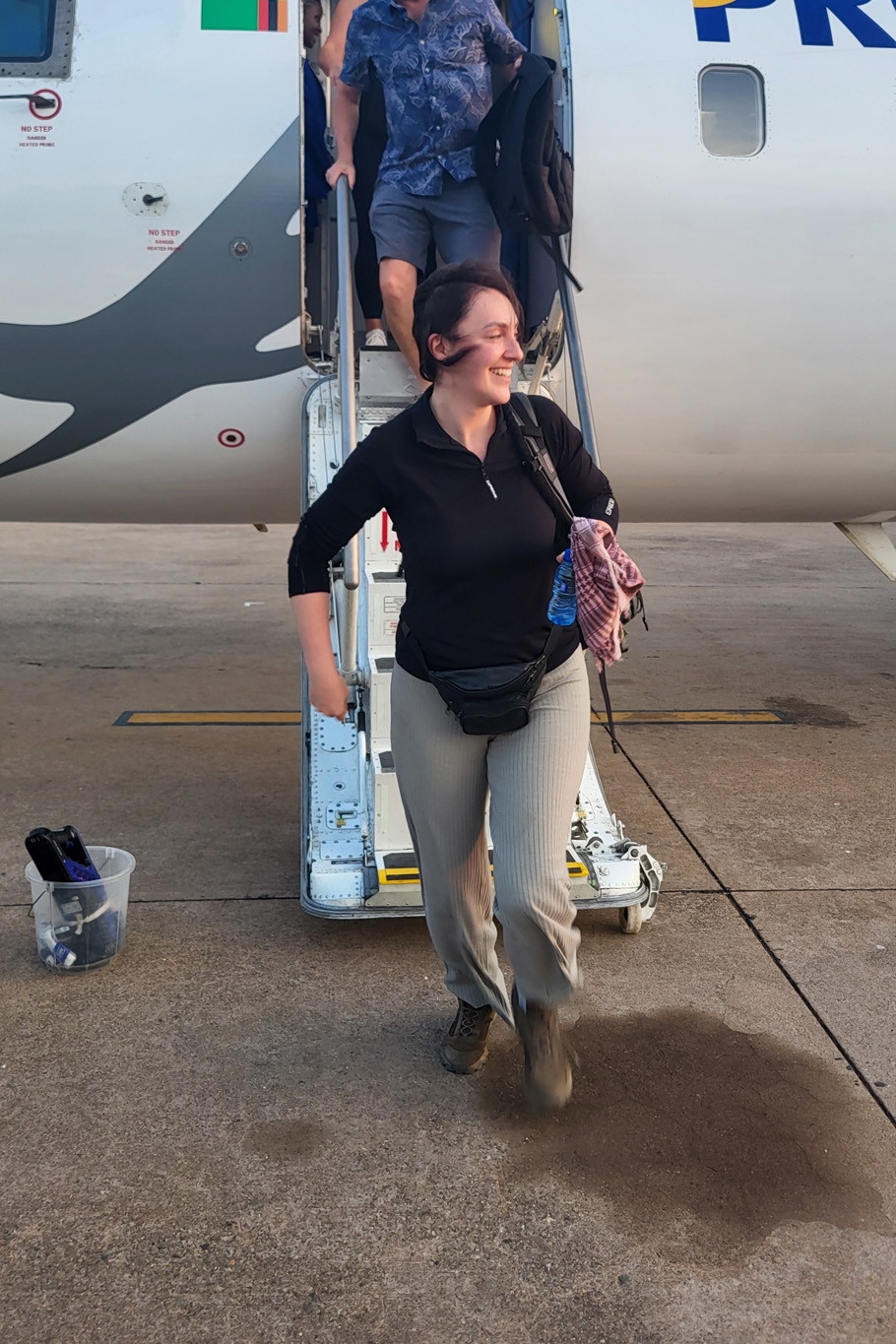
After a long layover and a much-needed cold drink, we boarded a small hour-long flight to Mfuwe. A final hour in a car brought us to Wildlife Camp Zambia.

We anticipated the physical toll of such a long journey, so we designed our itinerary to balance maximum safari time with necessary recovery. The plan was simple: arrive and immediately take a full day off to sleep and casually photograph the grounds around the camp. This was followed by a block of four standard safari days—morning and evening drives punctuated by a midday rest.

Then, we scheduled another full day off to recharge mentally and physically. For the second half of the trip, we increased the intensity: two standard days, a walking safari, and an experimental full-day expedition. The next day marked the end of our adventure. We departed camp at noon to begin the long journey home.

The Lodge Experience: Wildlife Camp Zambia

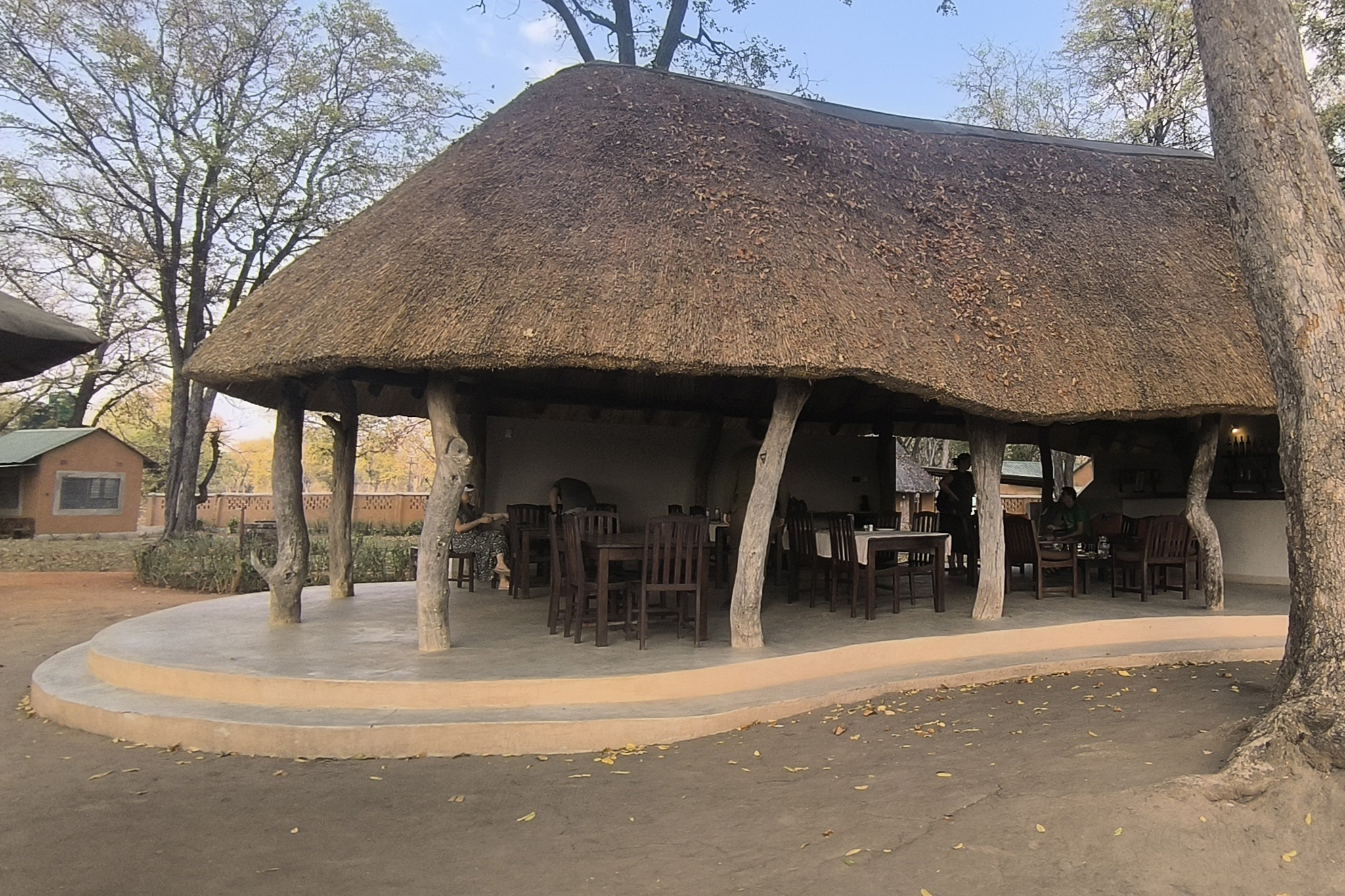
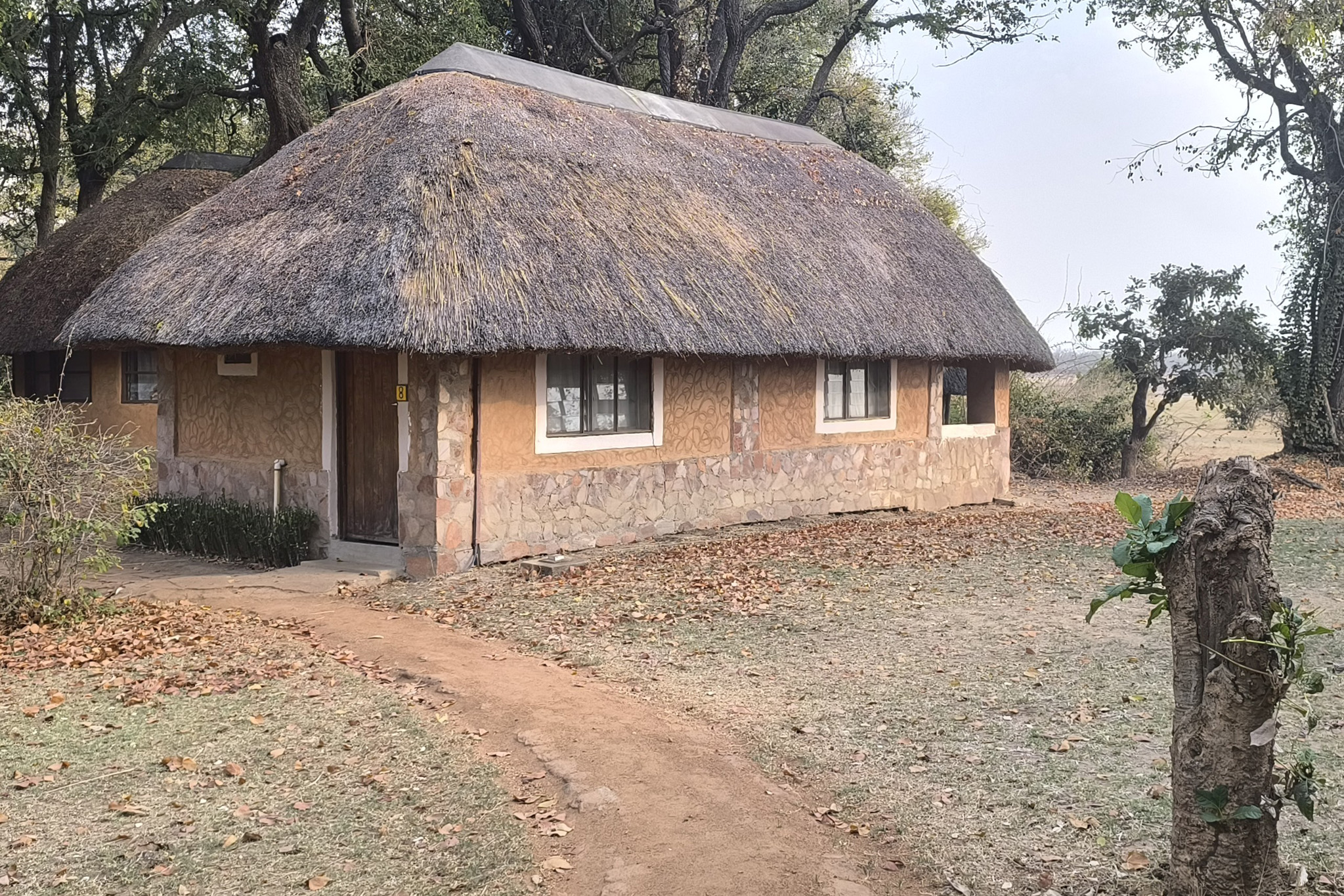
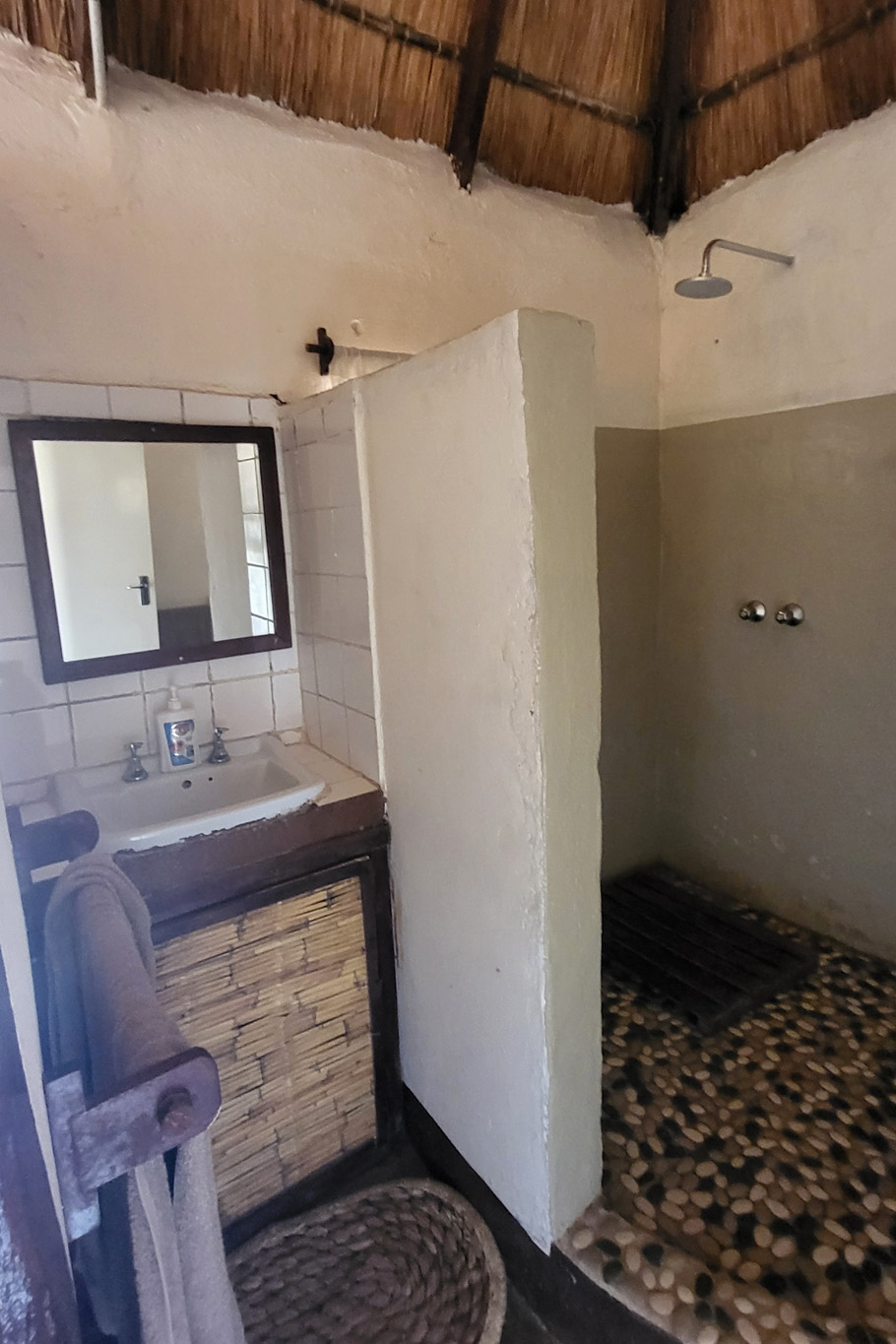
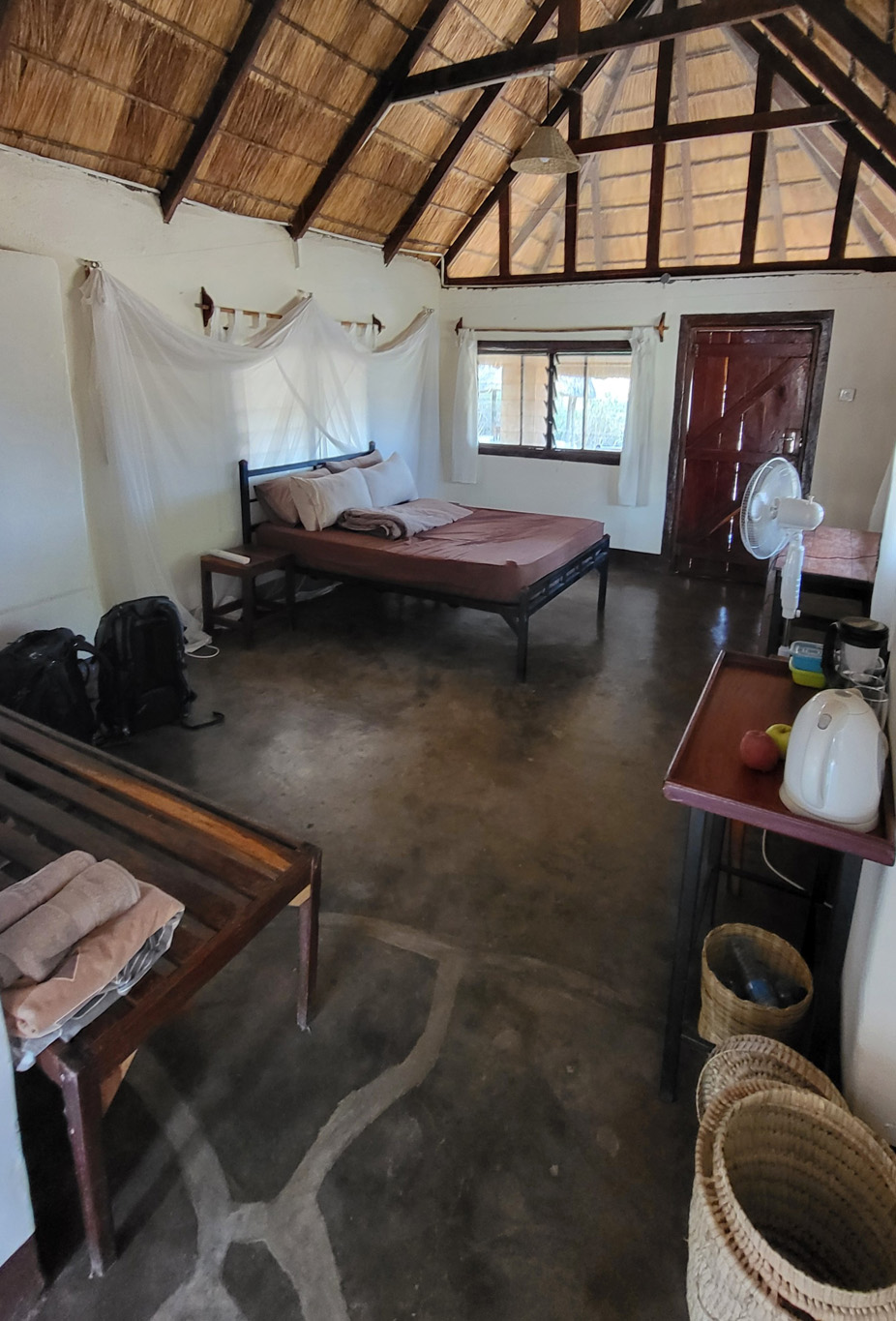
The Wildlife Camp certainly lives up to its name. Located in the middle of the bush with no fences, animals know no borders here. Upon arrival, we were handed flashlights and instructed strictly to stay close to the tent and never venture out alone at night. The atmosphere was immersive and raw, far removed from the sterile feeling of a fenced hotel.

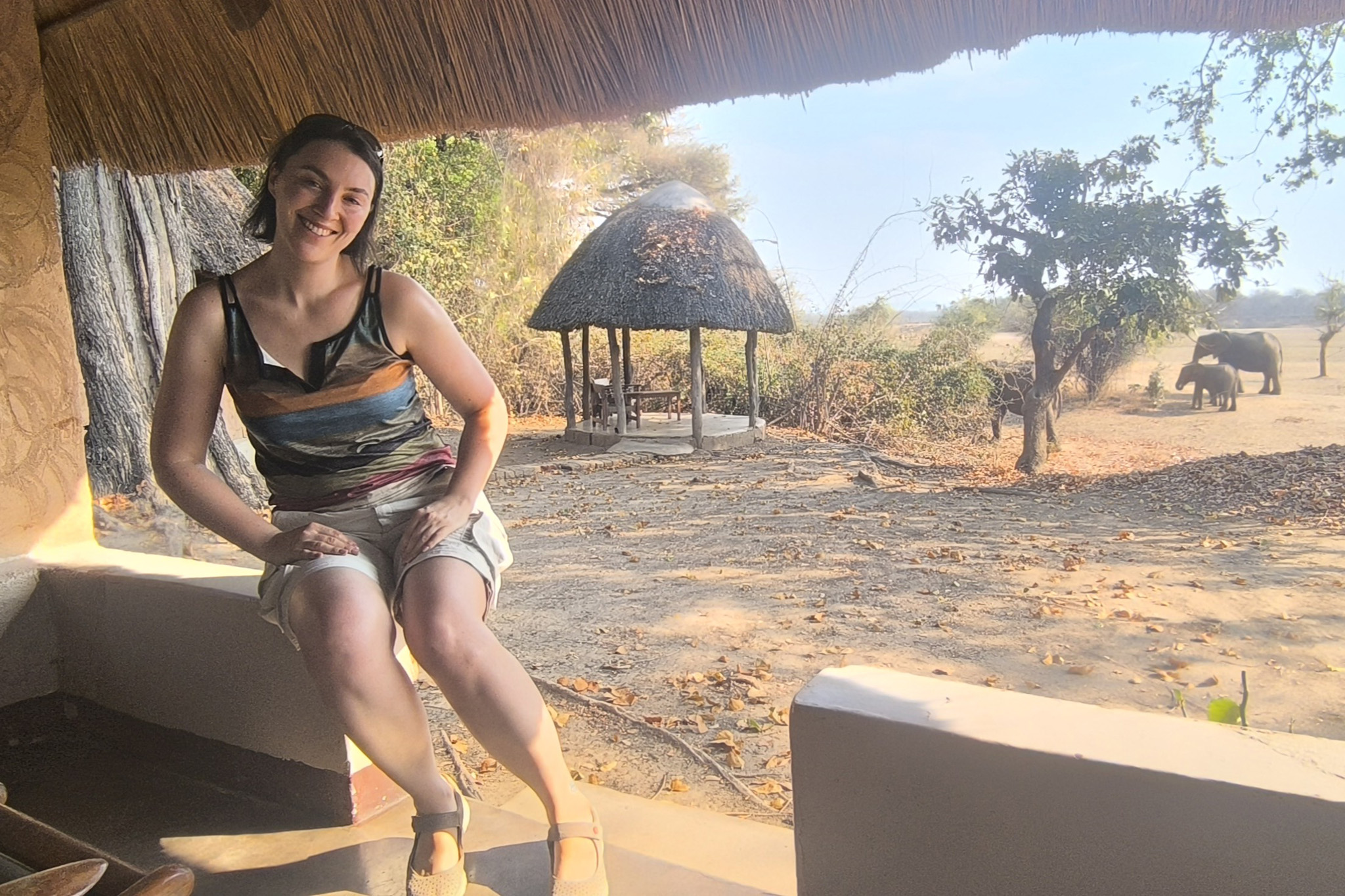
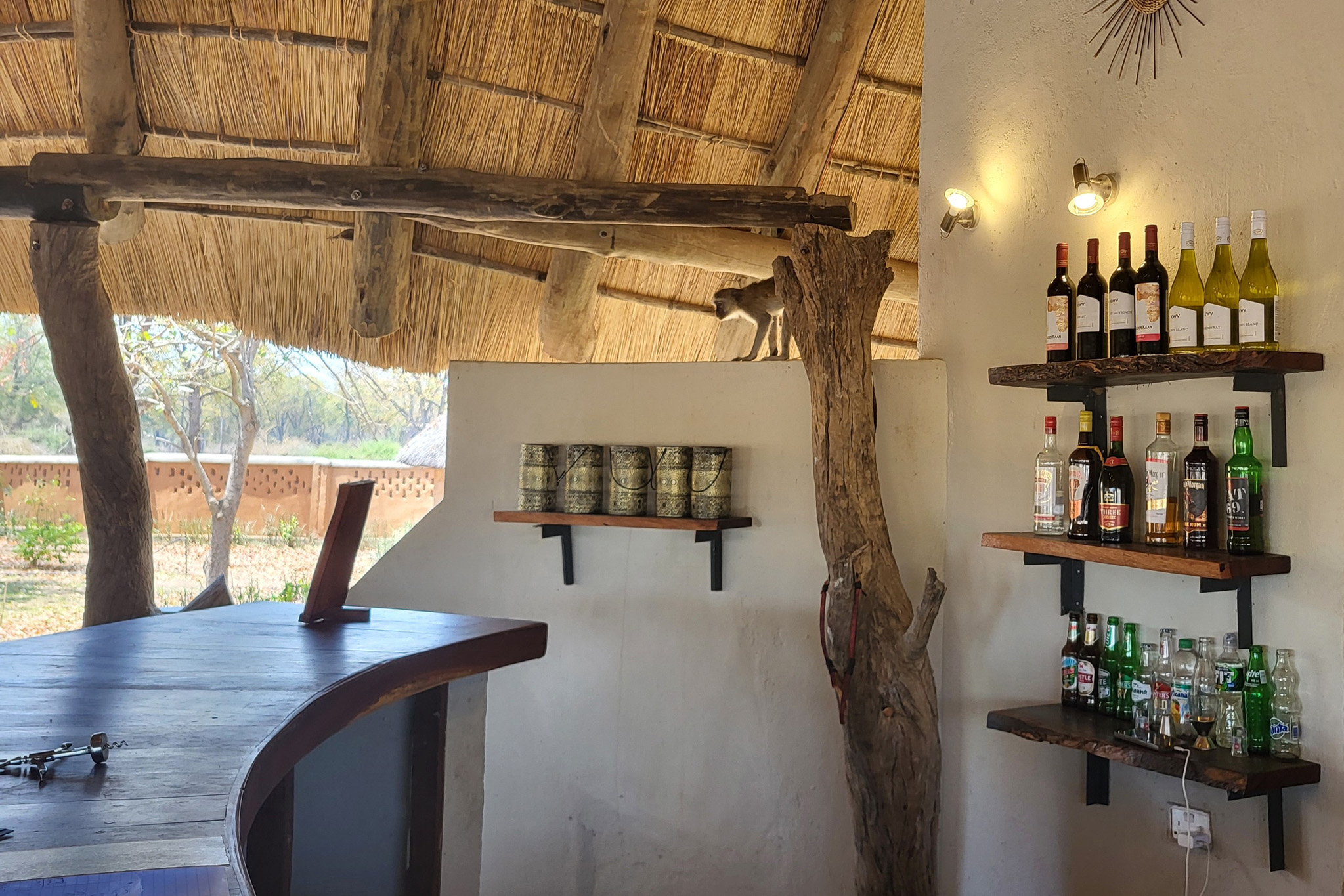
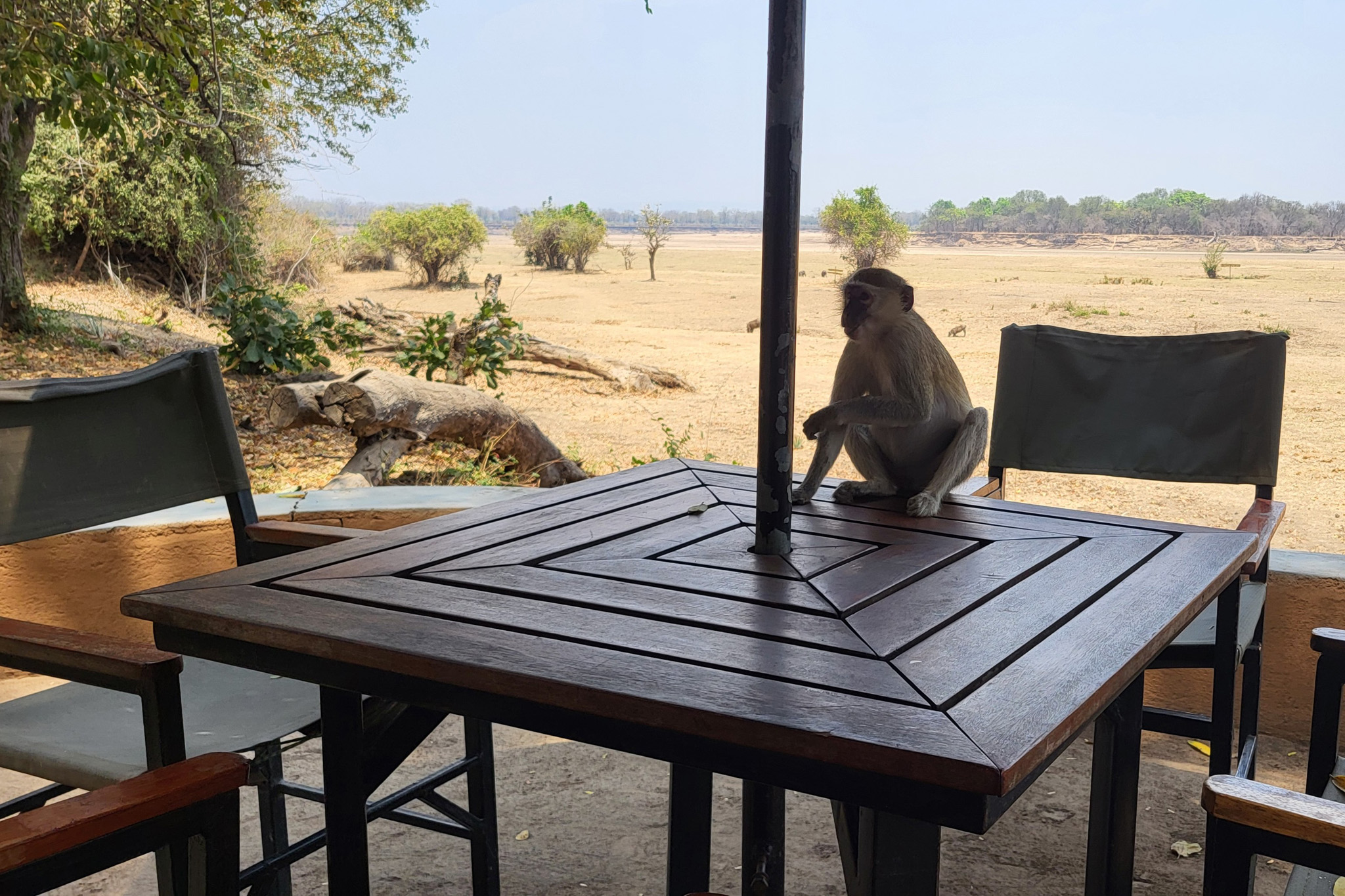
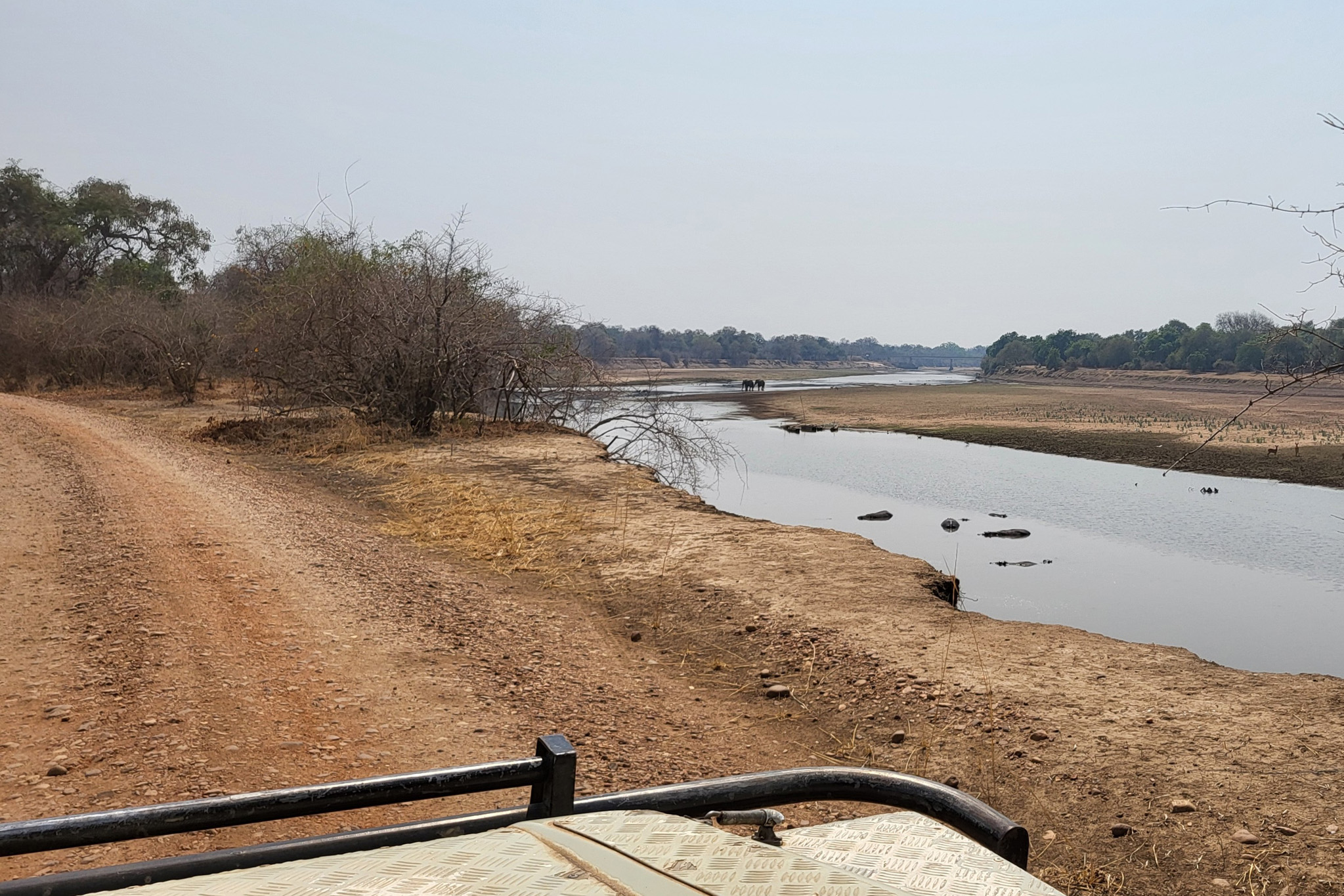
Our chalets were pitched right along the riverbank, shaded by massive indigenous trees that offered respite from the sun. The camp’s rustic bar and pool became our sanctuary during the midday heat, offering a front-row seat to the lagoon where elephants frequently crossed to find greenery.

Lying in bed at night, the sounds of the bush were amplified—the sawing cough of a leopard or the deep, vibrating grunt of hippos grazing just meters from our canvas walls became our nightly lullaby.

The Dry Season Spectacle

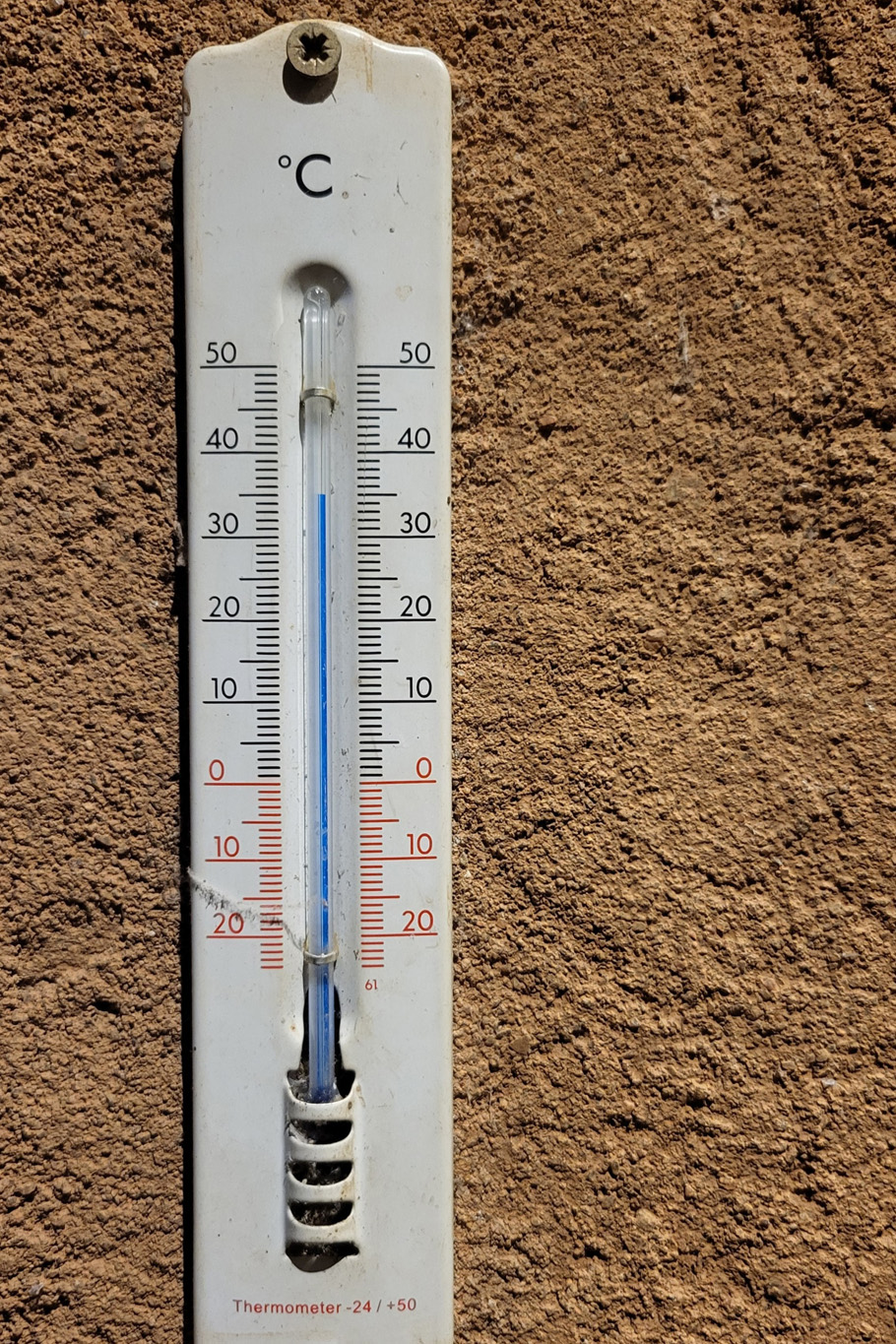
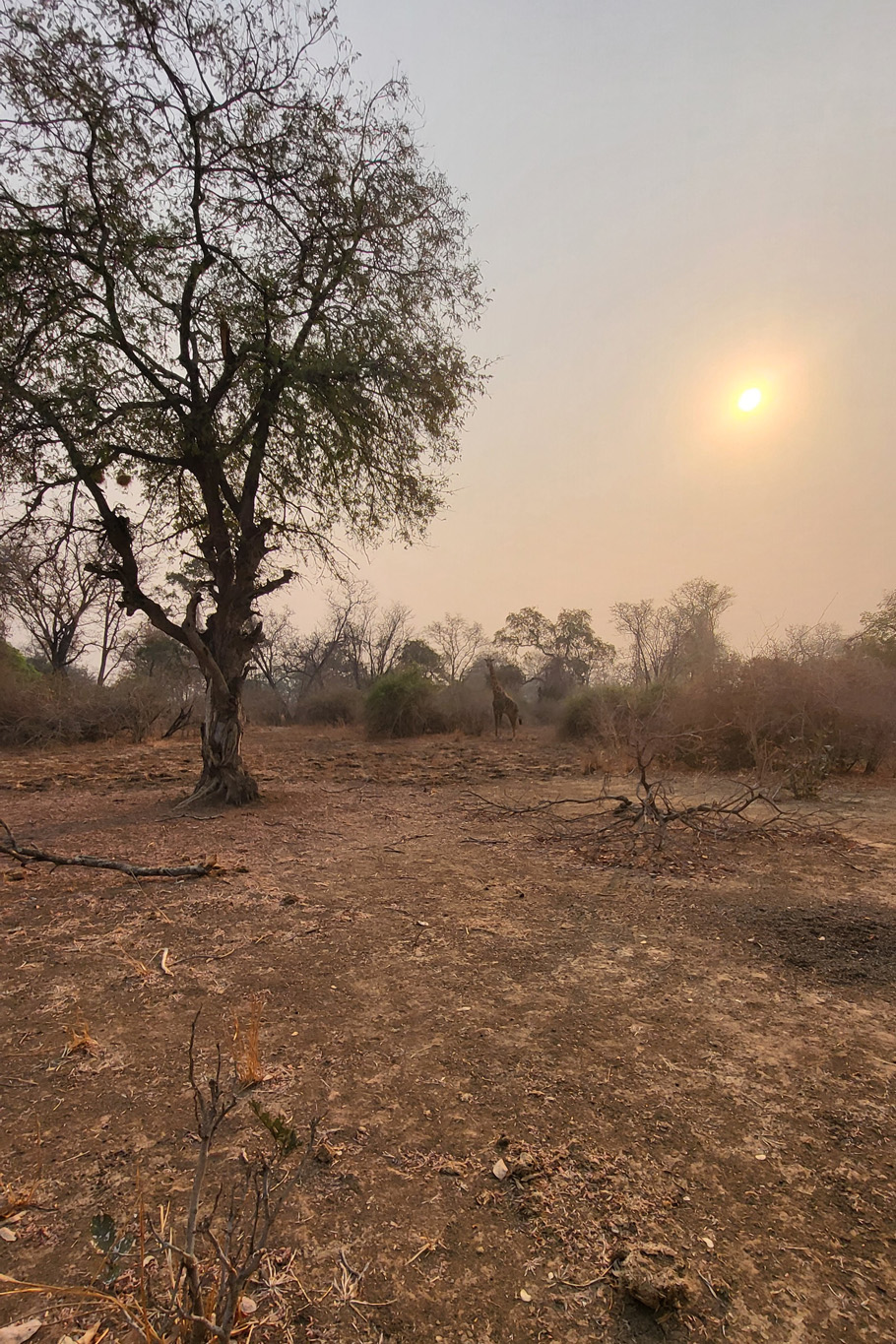
Zambia greeted us with intense heat. Mid-September is the peak of the dry season, and temperatures frequently soared above 40°C. However, we chose this timeframe on purpose.

South Luangwa moves through a dramatic cycle. It begins with the „Emerald Season” (November to April), where rains turn the park into a lush, green, and inaccessible jungle. This is followed by the cool, drying winter months. But by September, we enter the late dry season—often called the „suicide month” by locals due to the heat.

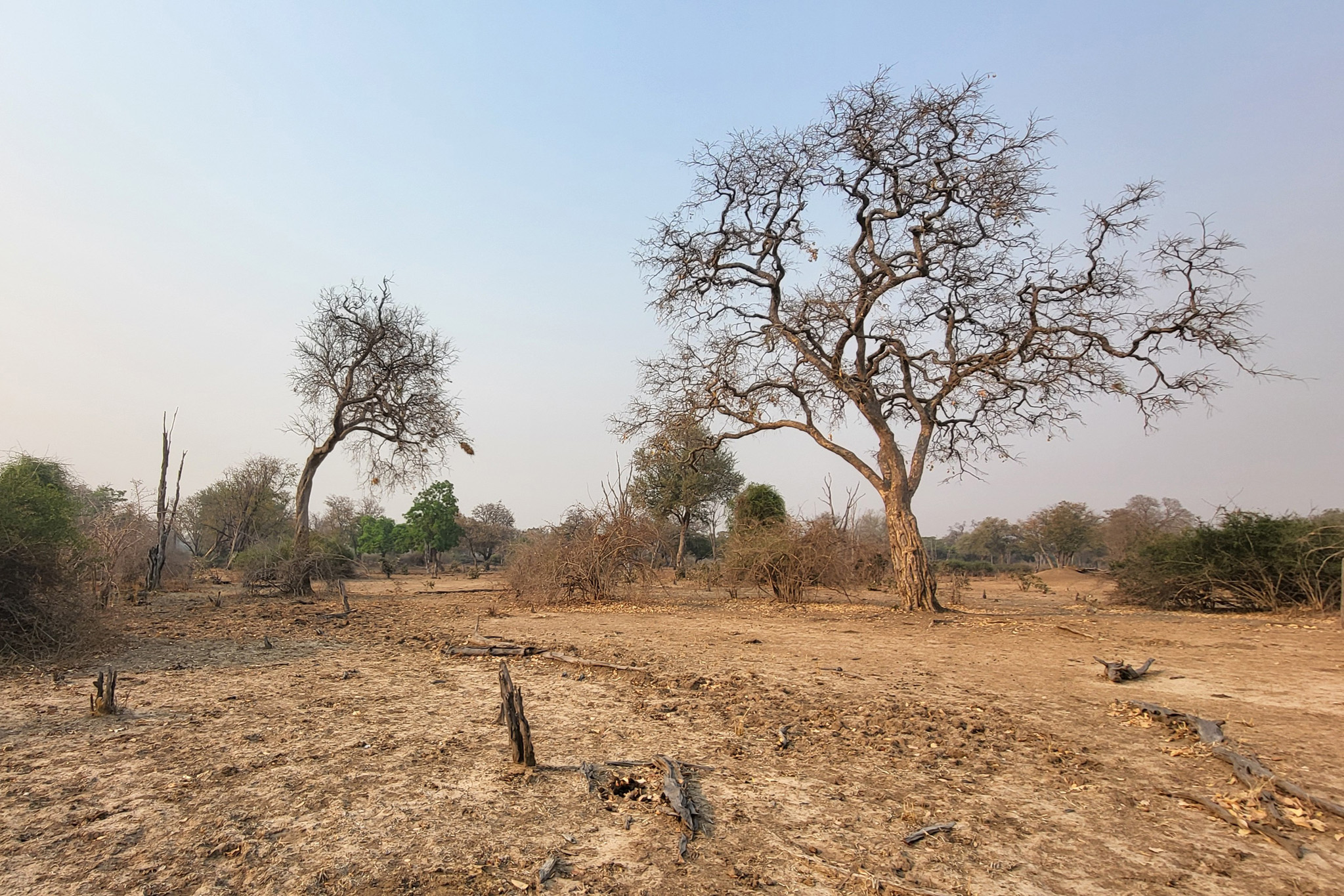
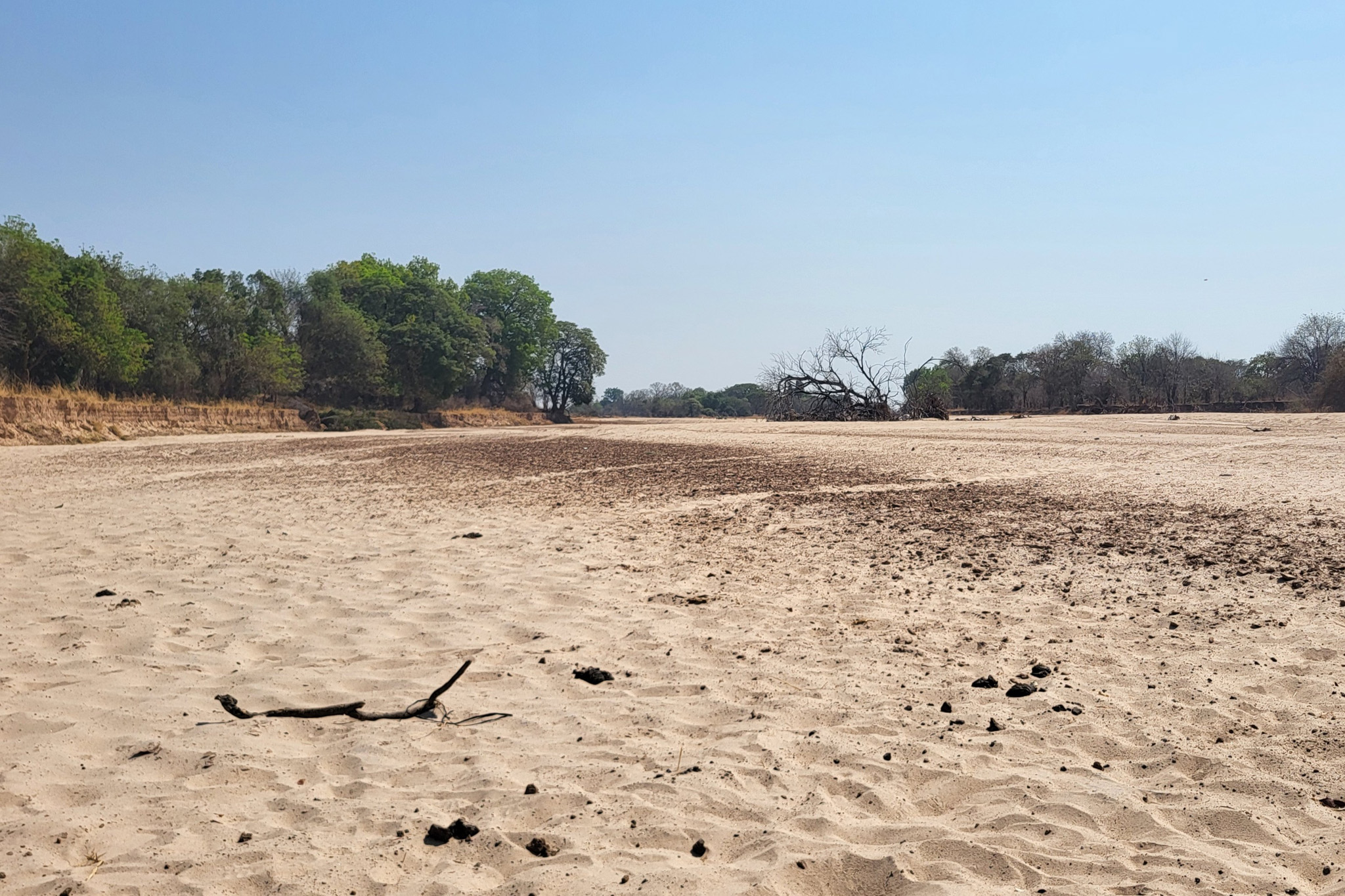
For wildlife photographers, however, this harsh window is perfect. The vegetation has died back, thinning the bush and making visibility excellent. More importantly, the smaller waterholes have evaporated, forcing all wildlife to congregate—desperate and focused—around the few remaining sources of water.

The Magic of the Valley

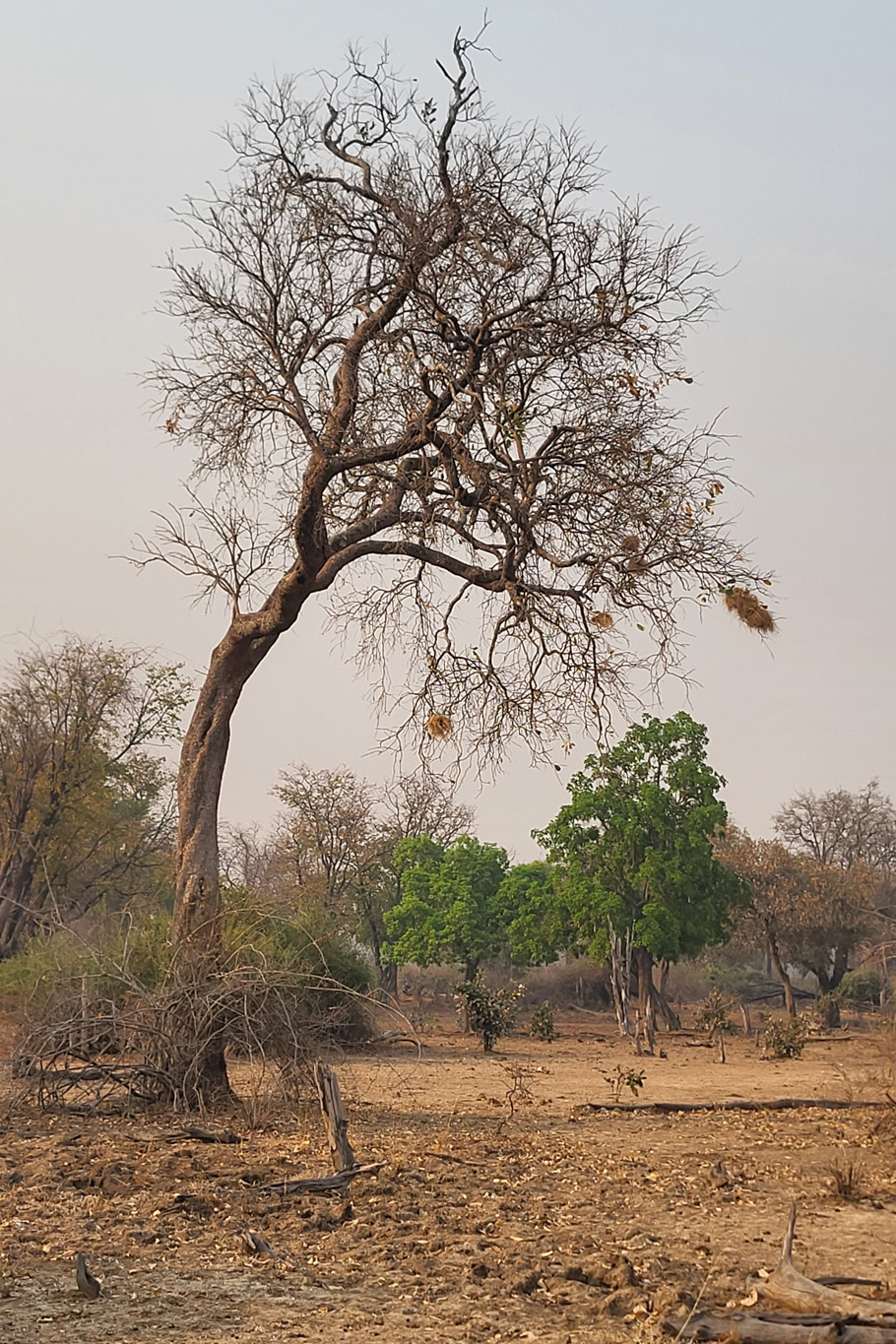
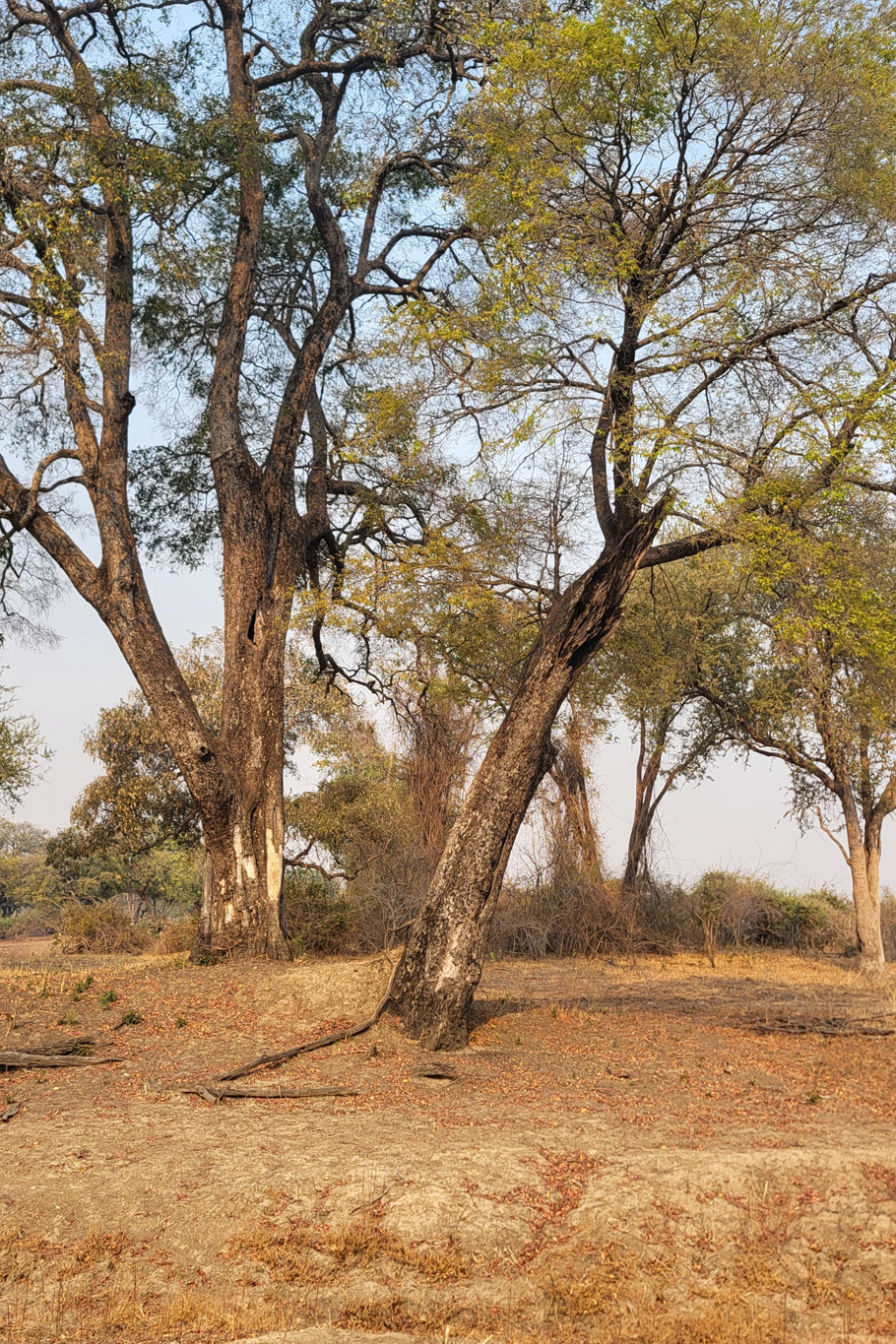
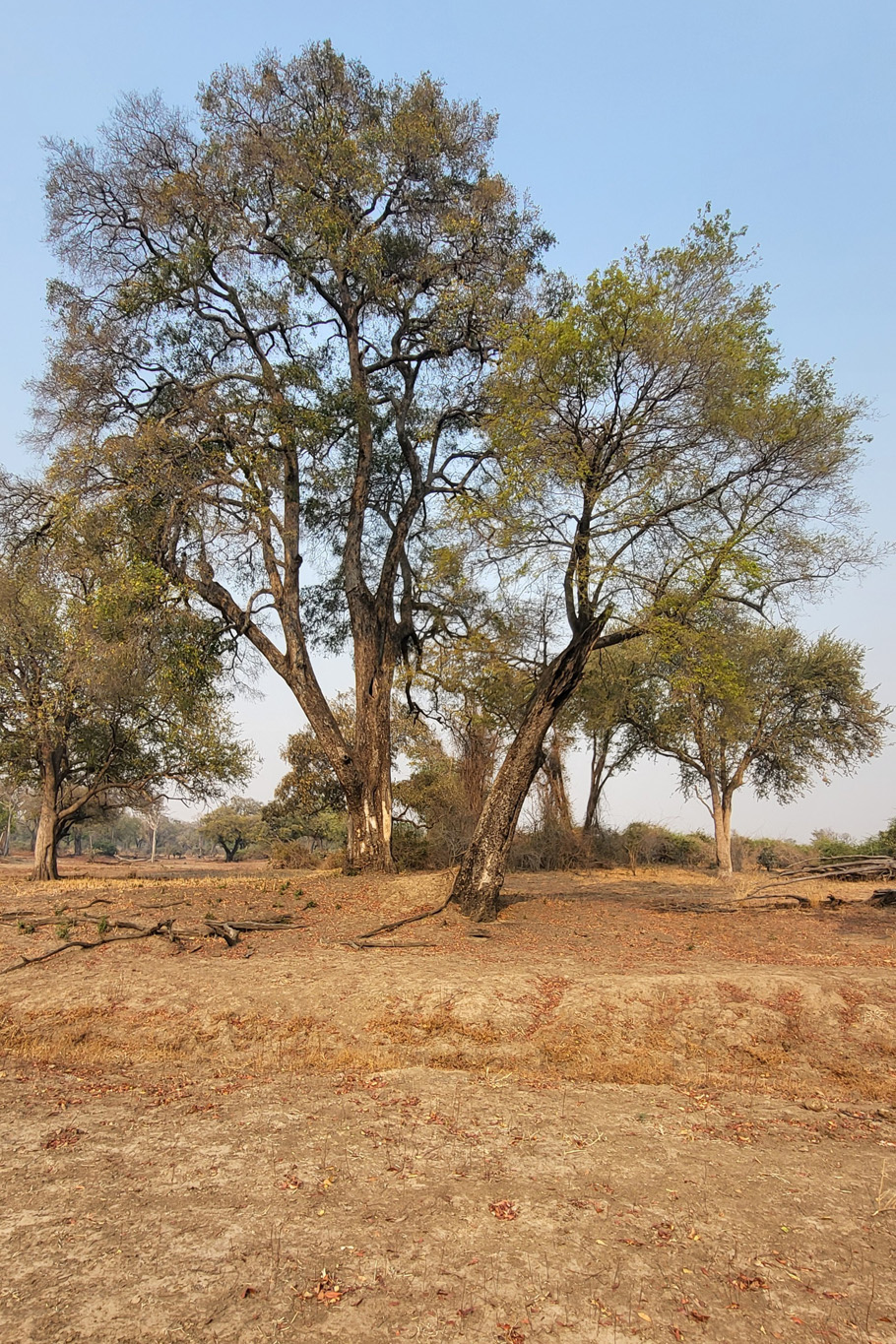
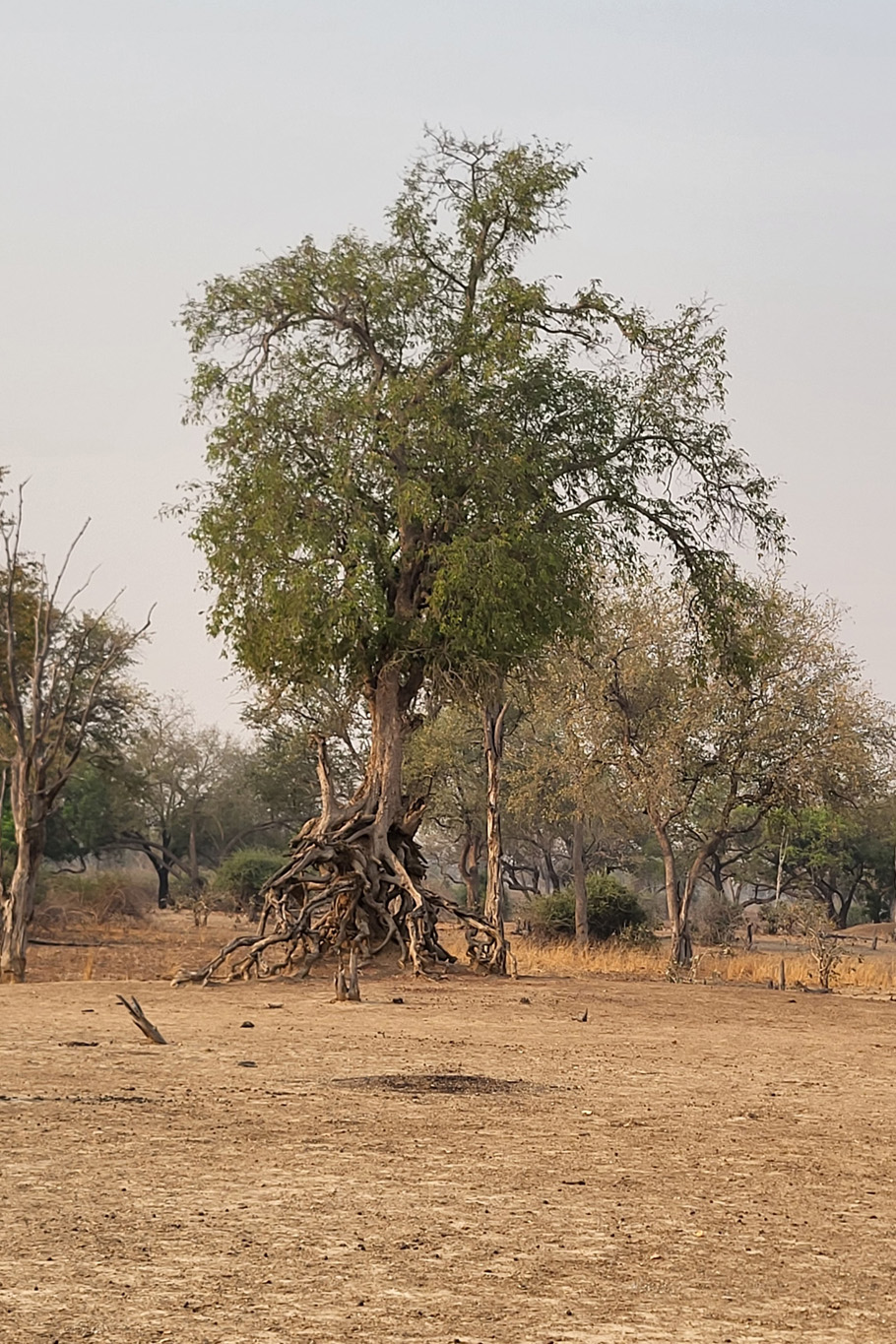
Two weeks of intensive safari revealed the amazing variety of landscapes in South Luangwa, from thick, thorny undergrowth to savannah-like open grasslands and dried-out marshes.

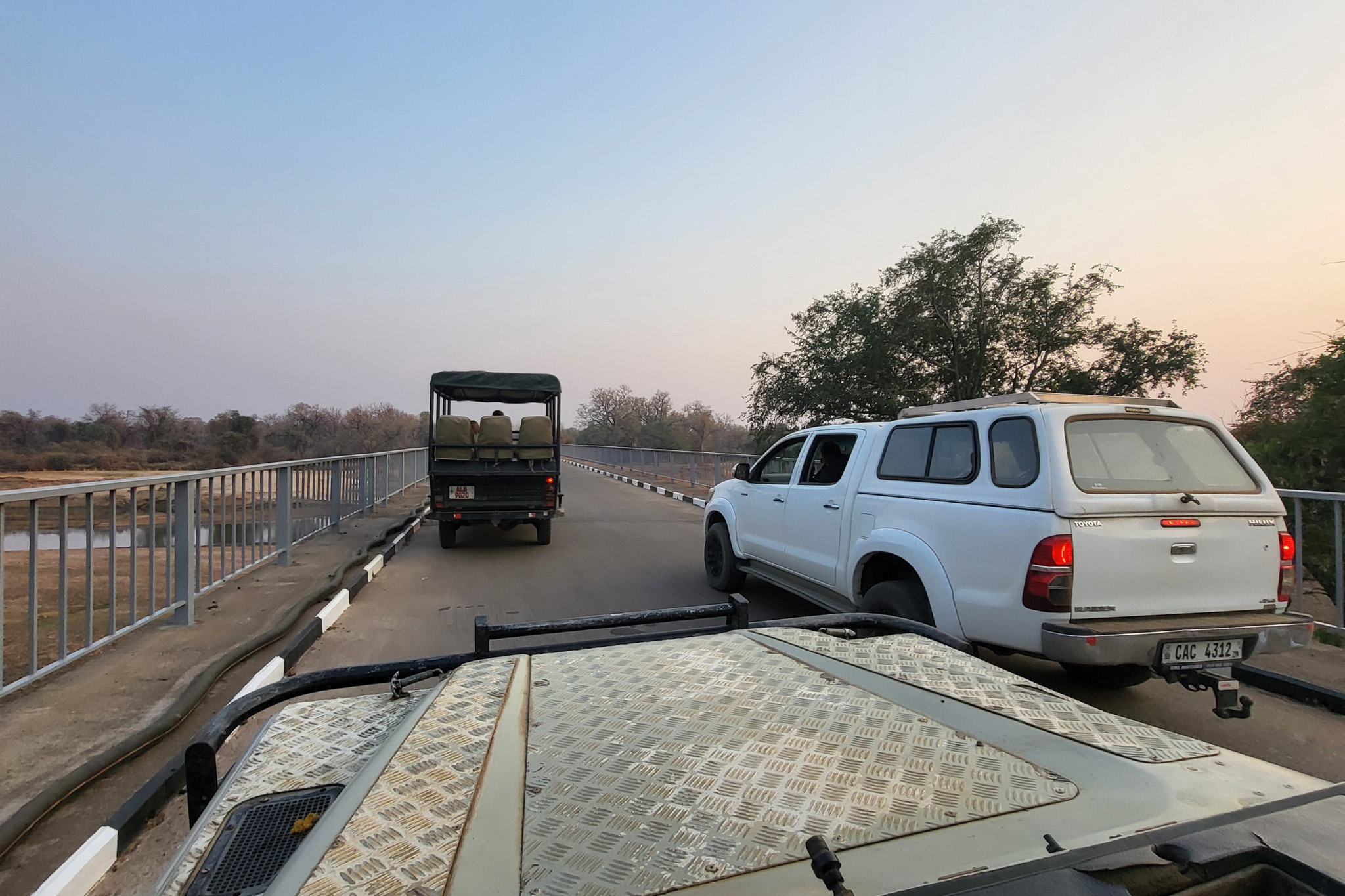
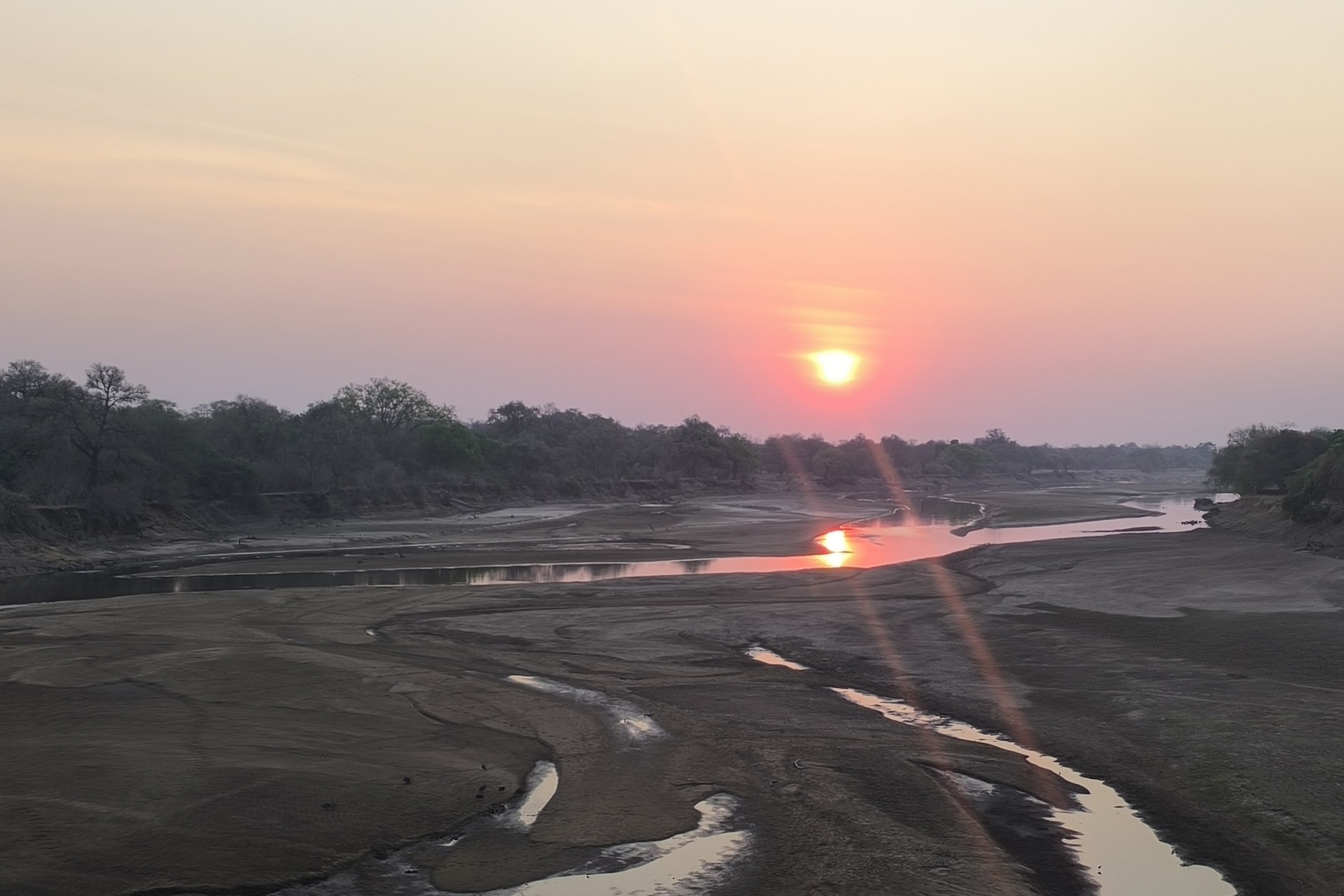
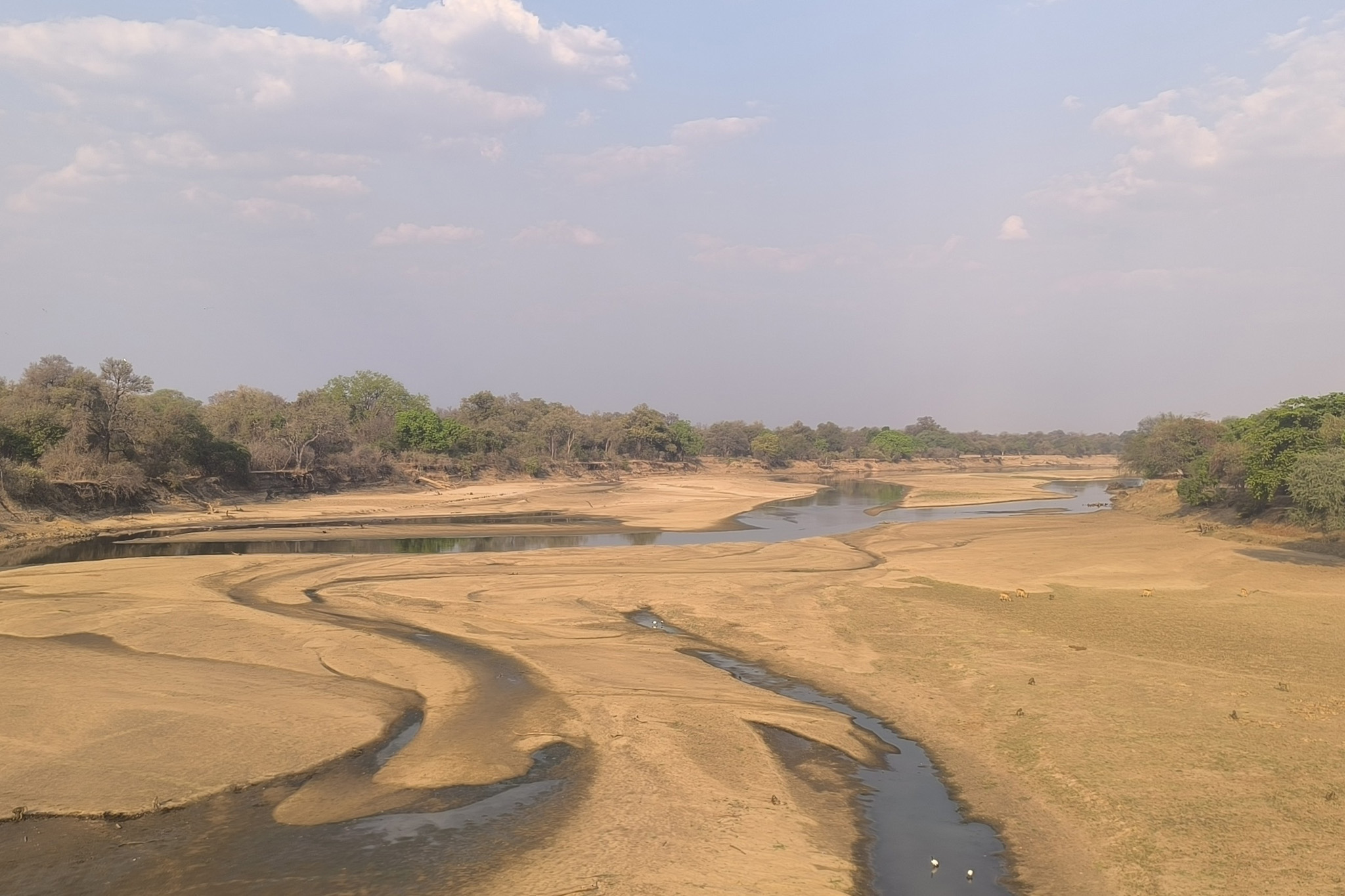
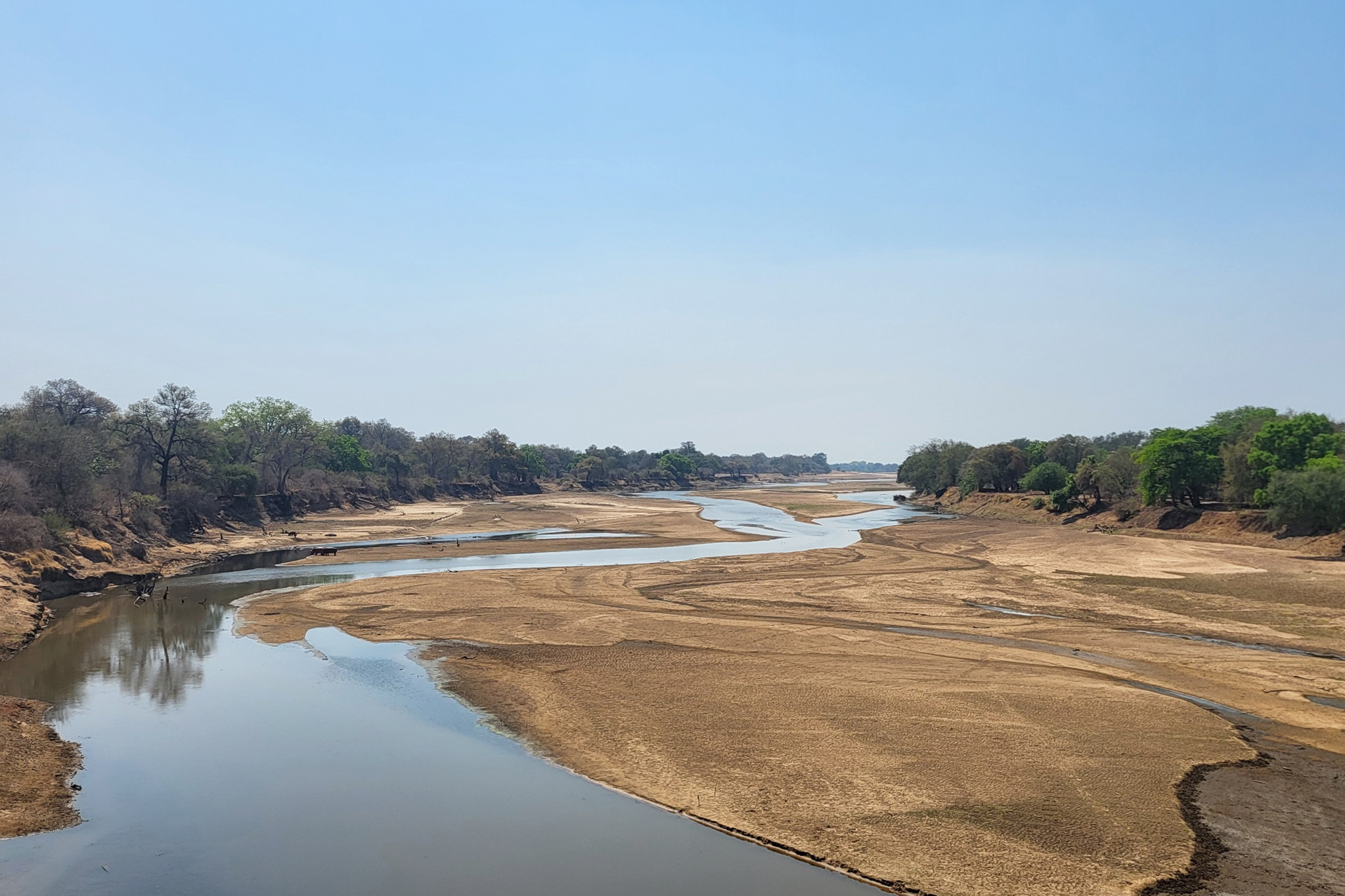
The magic of this place lies in its scale—breathtaking spaces stretching to the horizon, filled with teeming wildlife. Every time we crossed the famous Luangwa Bridge, it felt like entering a different world. This imposing structure is the only connection between the village of Mfuwe and the park, offering a high vantage point that reveals the true width of the river valley. Below, the water winds through sandbanks like a snake.

The magic of this place lies in its scale—breathtaking spaces stretching to the horizon, filled with teeming wildlife. Every time we crossed the famous Luangwa Bridge, it felt like entering a different world. This imposing structure is the only connection between the village of Mfuwe and the park, offering a high vantage point that reveals the true width of the river valley. Below, the water winds through sandbanks like a snake.

Beyond the main river channel lies the park’s secret weapon: the oxbow lagoons. These are ancient bends of the river that were cut off over centuries of flooding. During the rainy season, the river spills over, filling these basins to the brim. As the dry season progresses and the river recedes, these lagoons act as natural reservoirs. They become shrinking, mud-filled traps that concentrate fish, attracting hundreds of storks, herons, and hungry crocodiles, while providing the last lush grazing grounds for hippos and antelopes.

Safari Experience

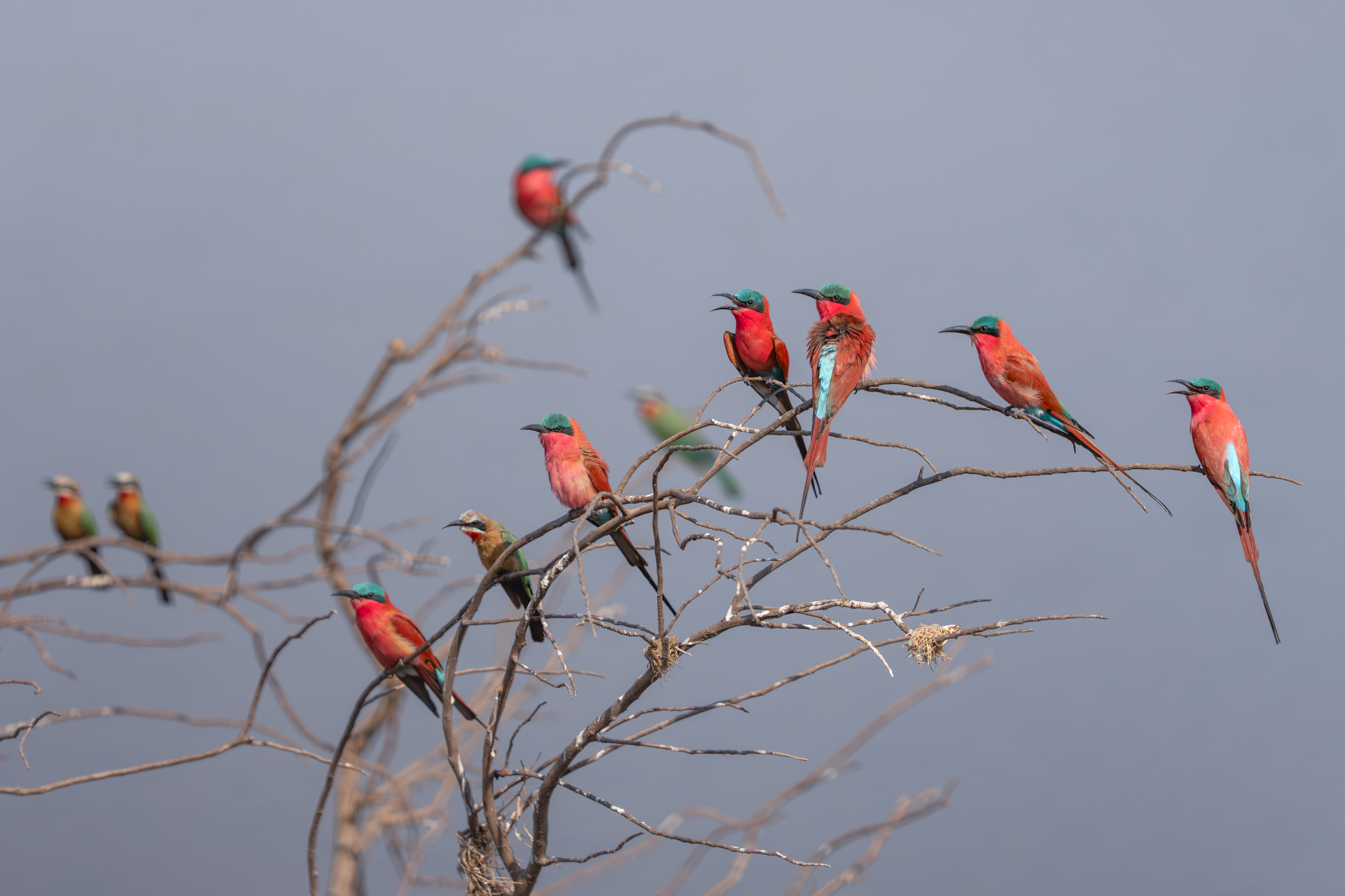
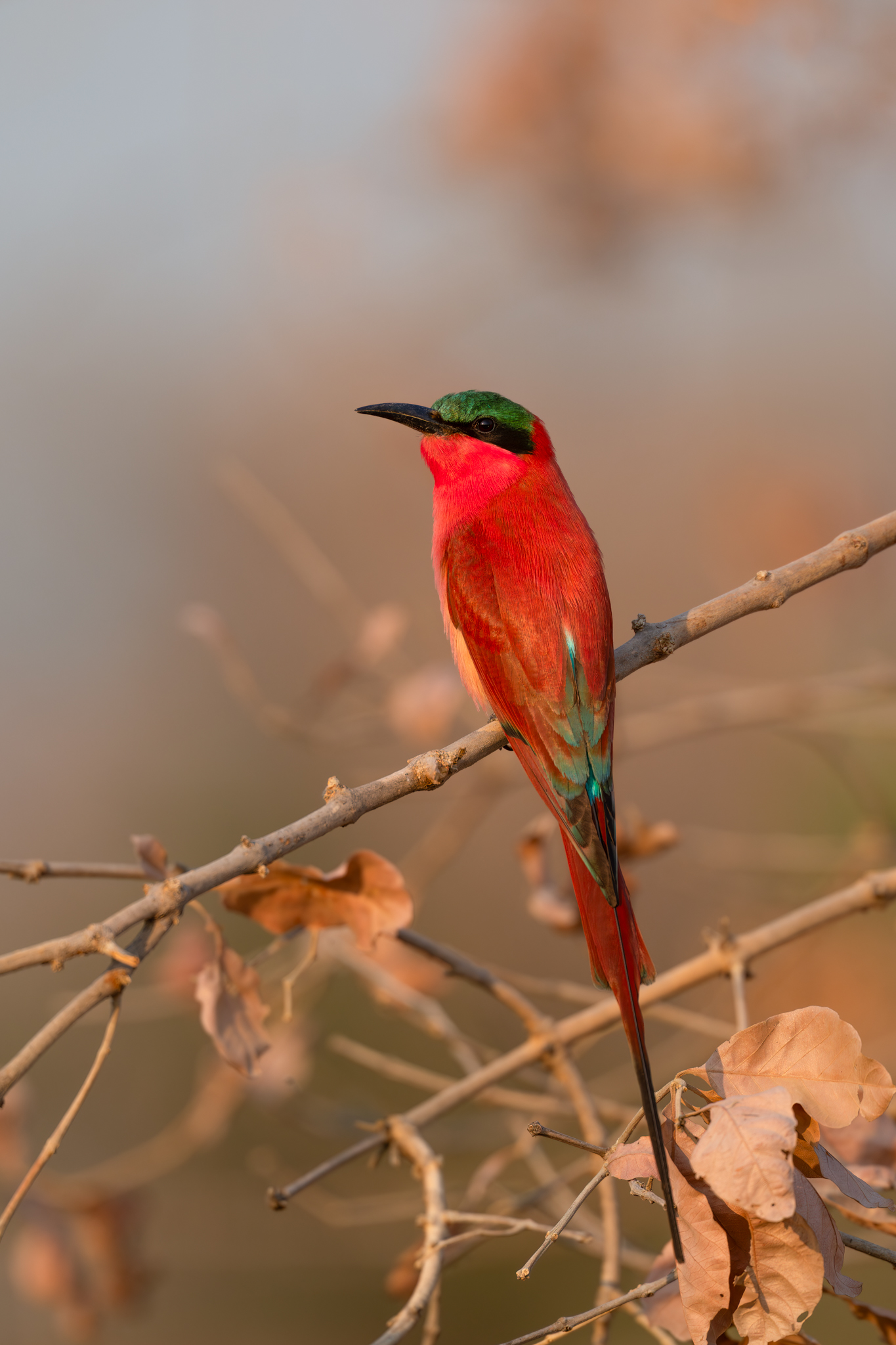
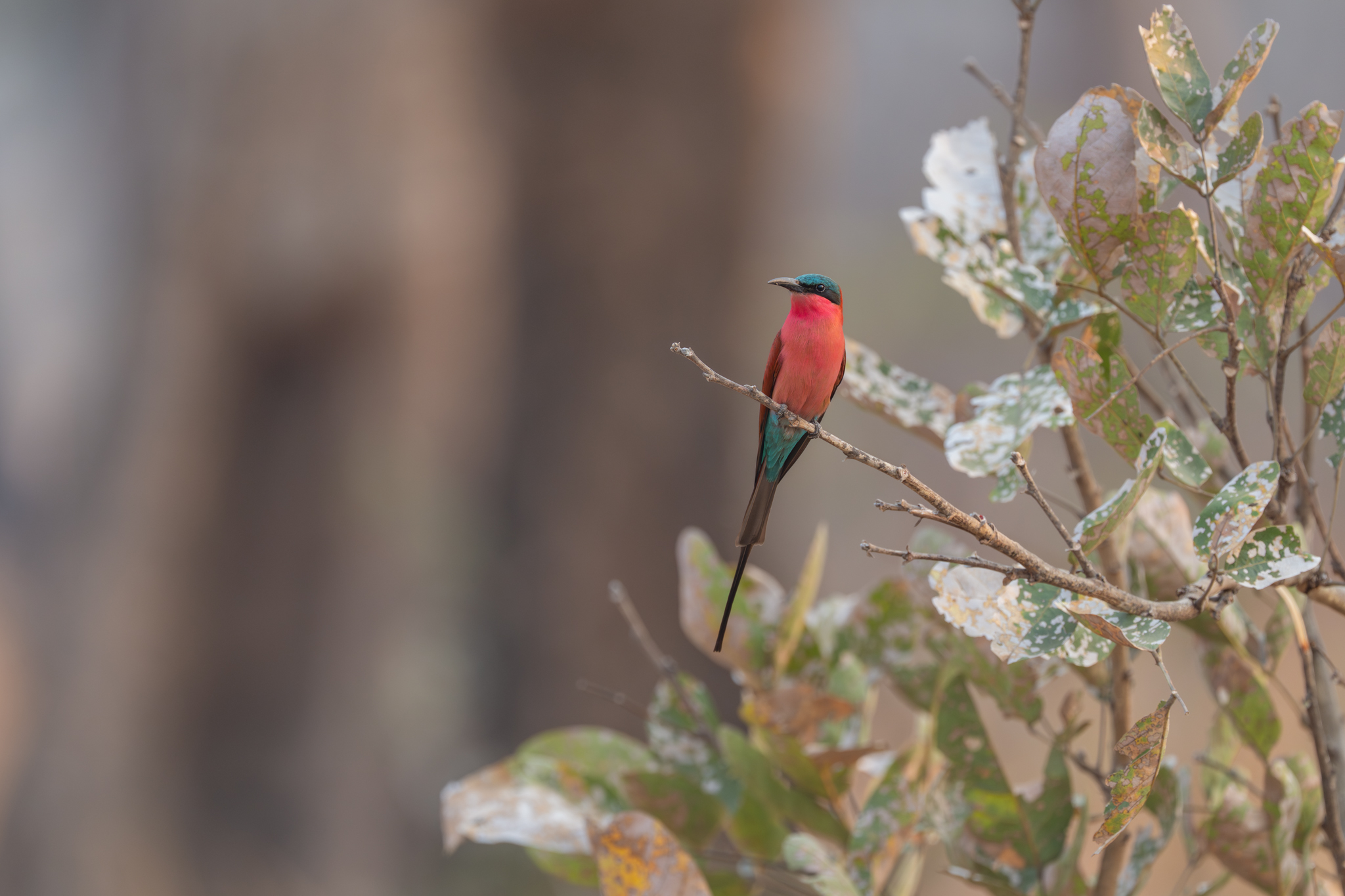
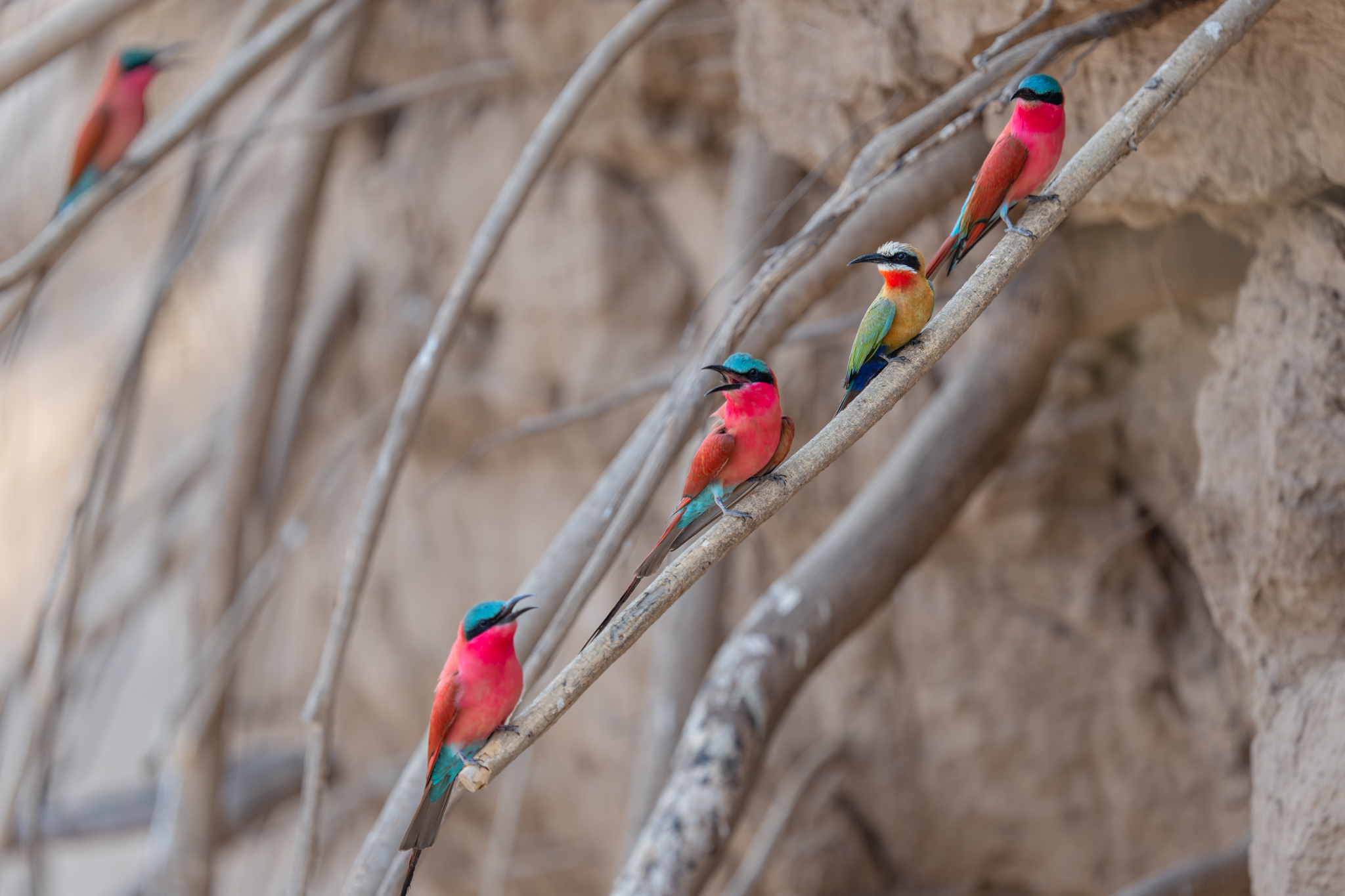
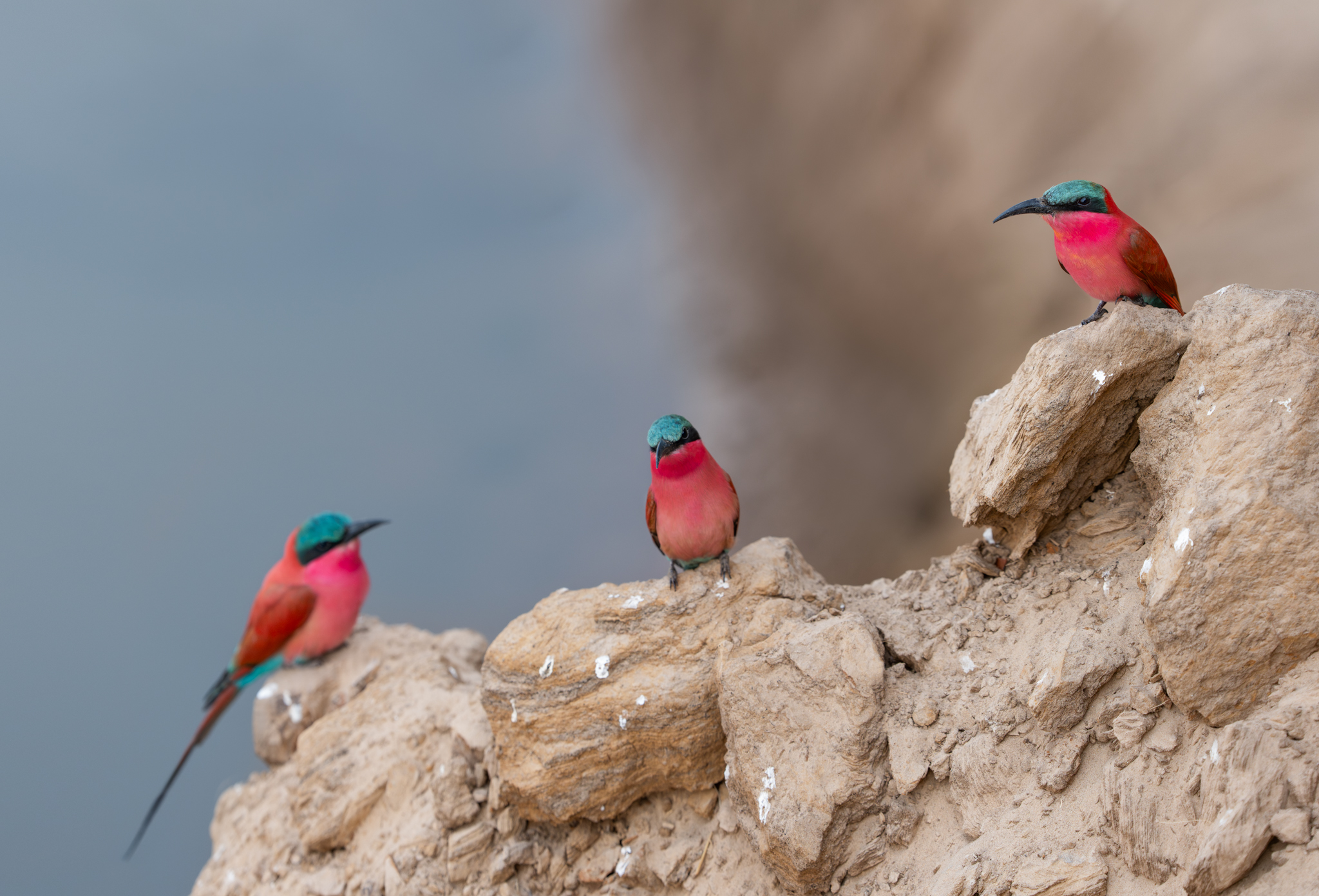
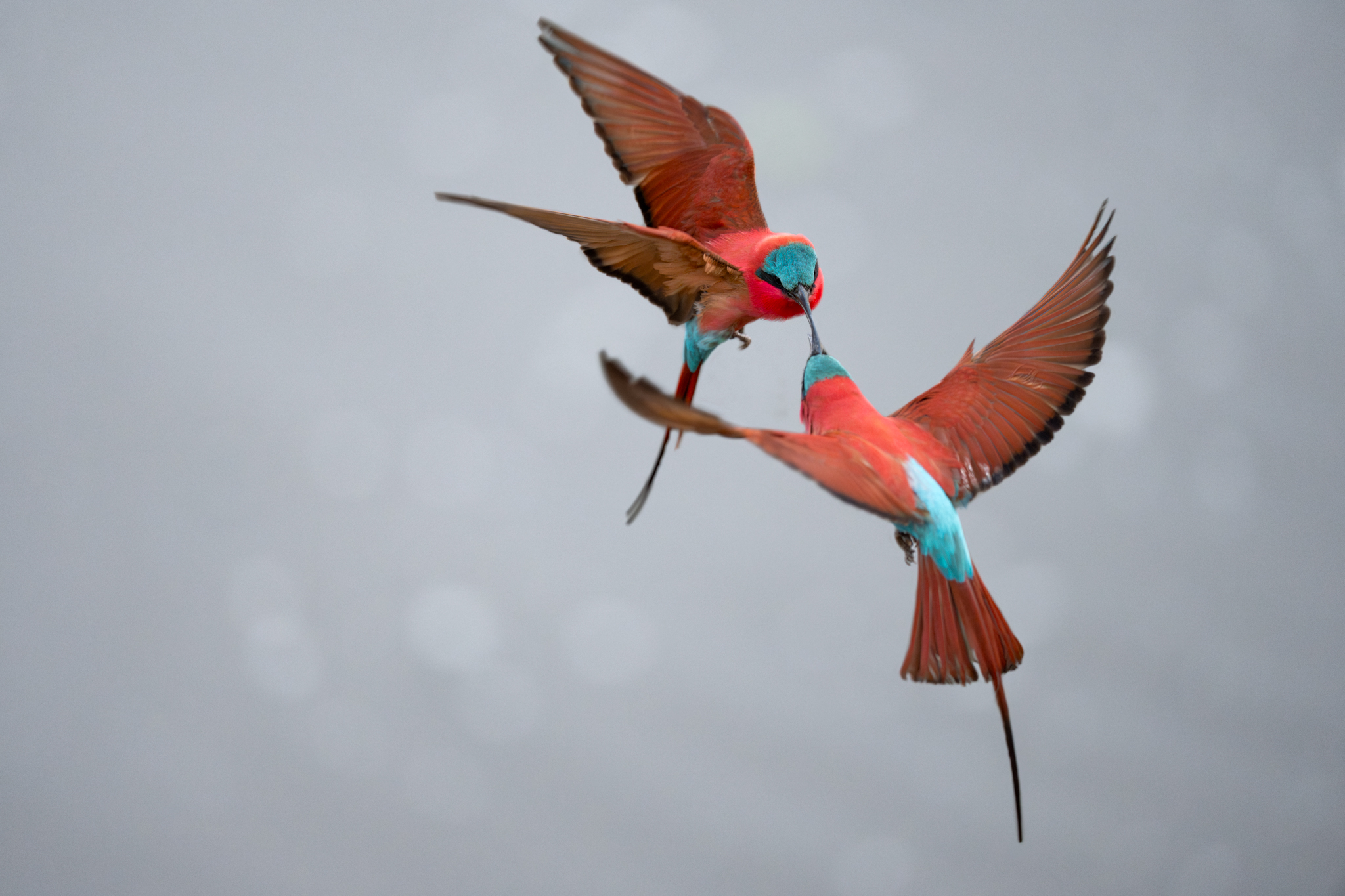
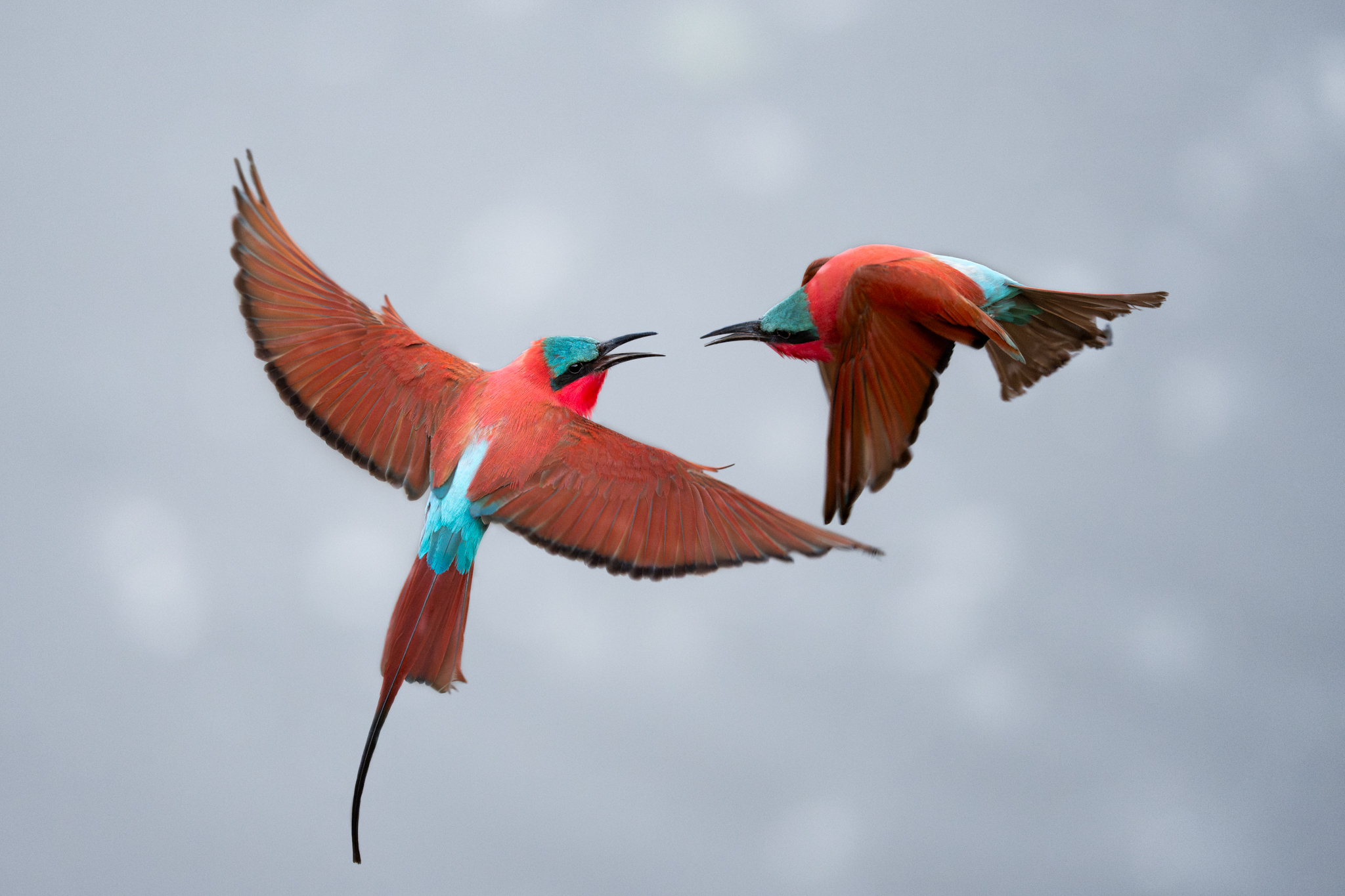
Our main reason for choosing South Luangwa National Park as our destination was the Carmine Bee-eaters. We wanted to witness thousands of these colorful birds returning to the banks of the Luangwa River to establish their colonies and dig nesting holes. This was definately the most memorable experience as you find yourself in the middle of swirling chaos of wings and ever growing chatter.

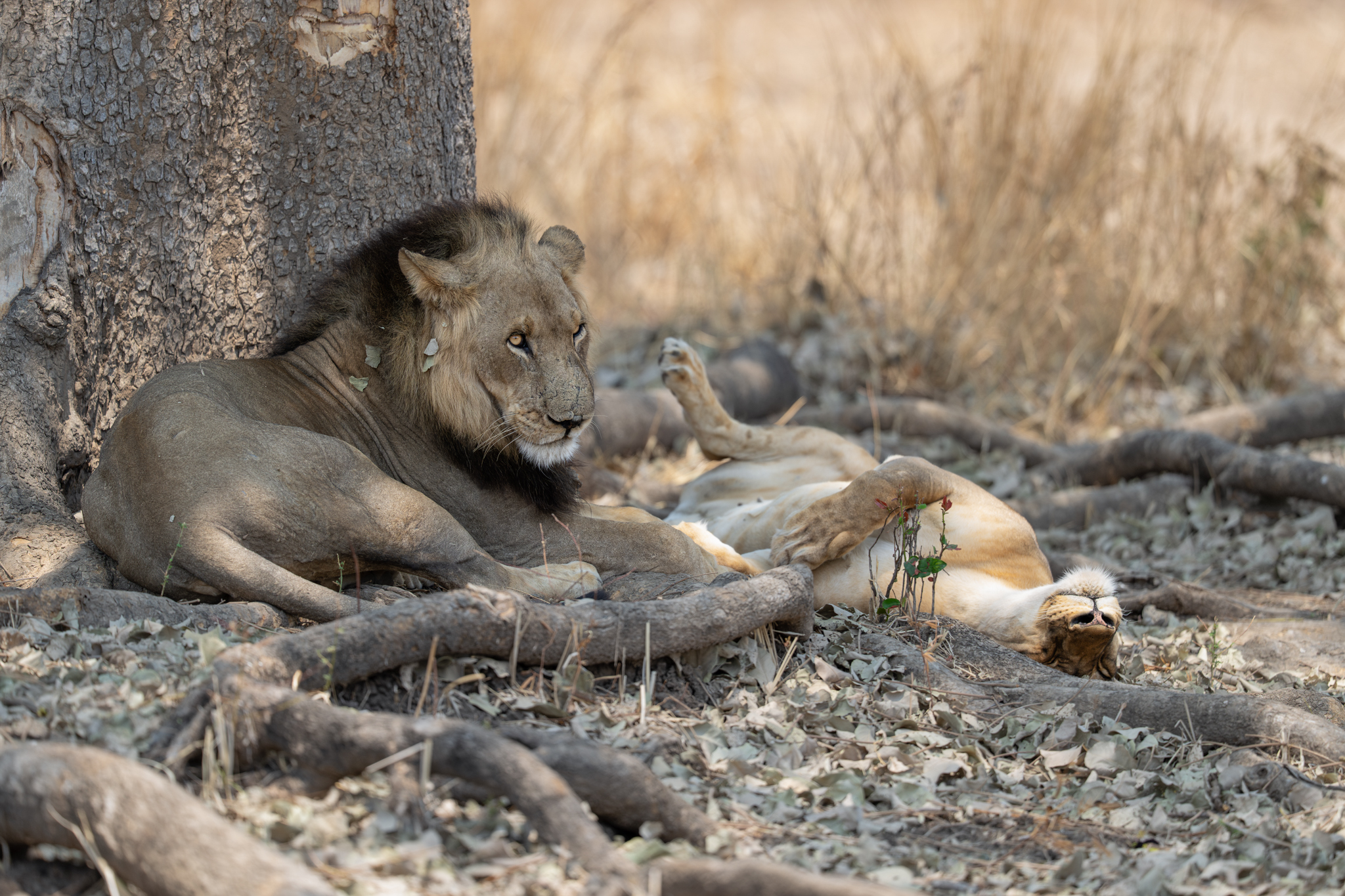
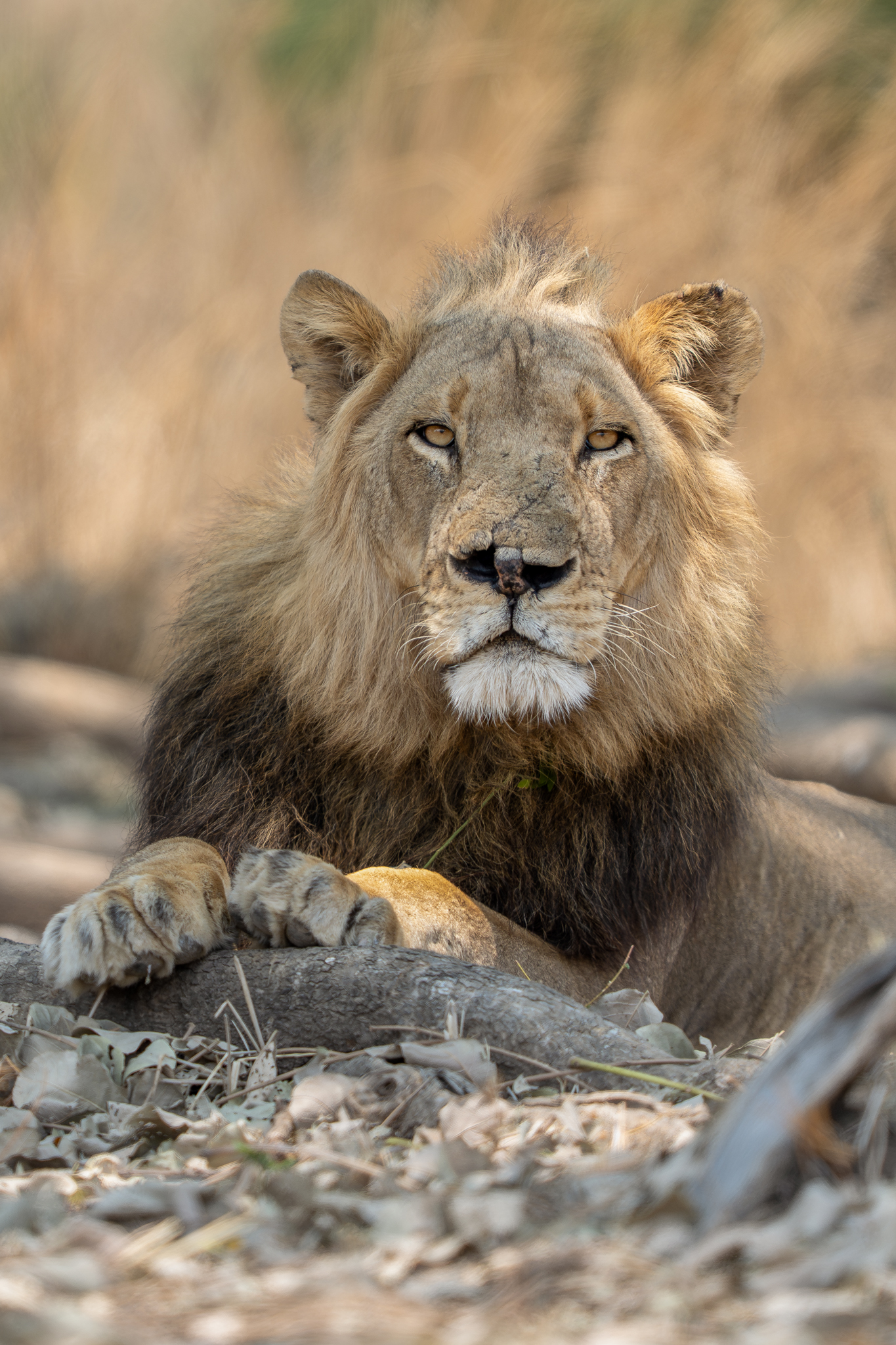
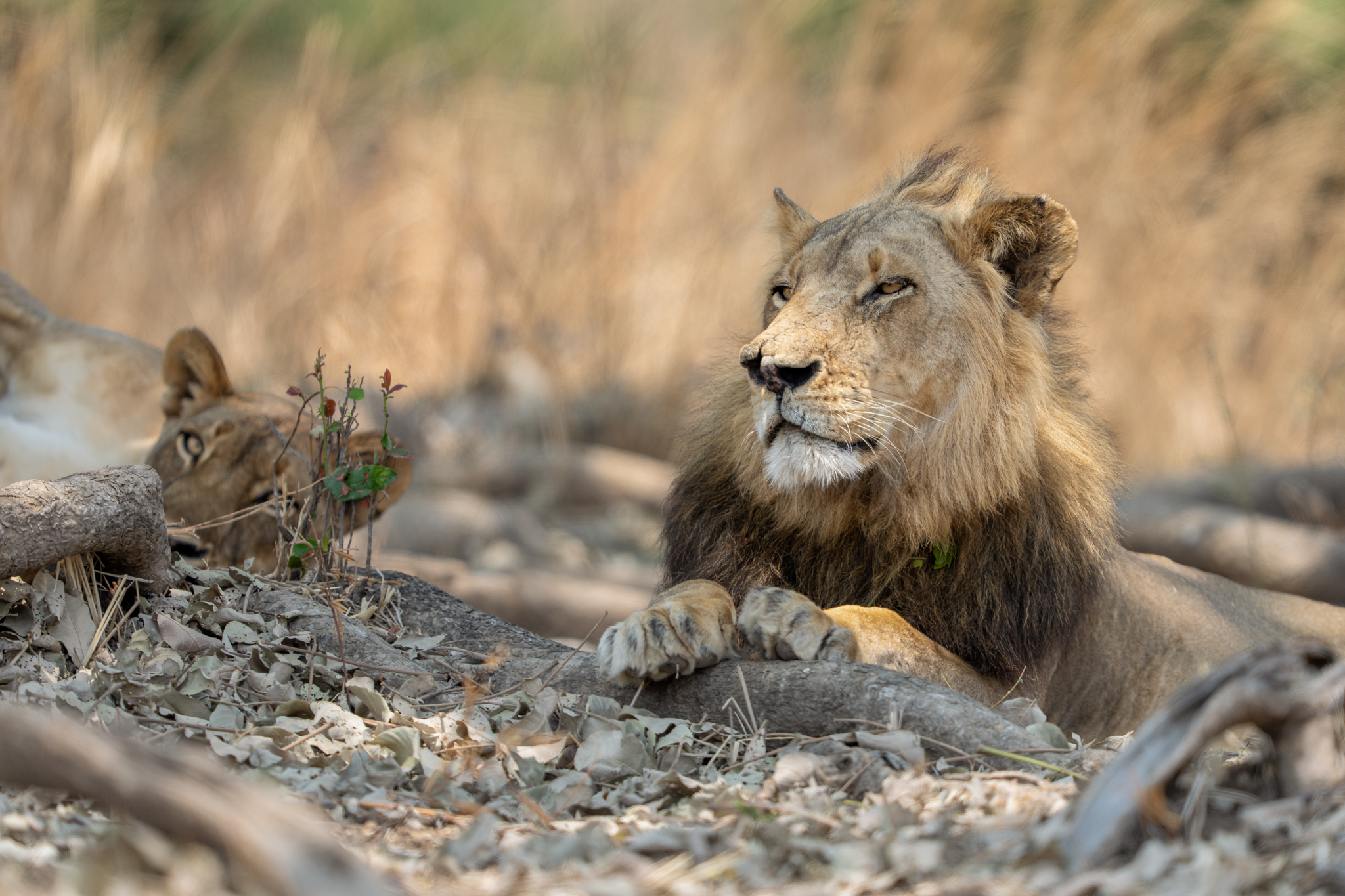
However, dry season is a prime time for all types of wildlife sightings, as life in the park concentrates around the only remaining water source – the Luangwa River. Once a powerful torrent, the river was reduced to about a quarter of its usual size, with steep, dried-out banks serving as a reminder of its seasonal power. While we hoped to see lions hunting, we found that the local pride was in mating season and had scattered. 

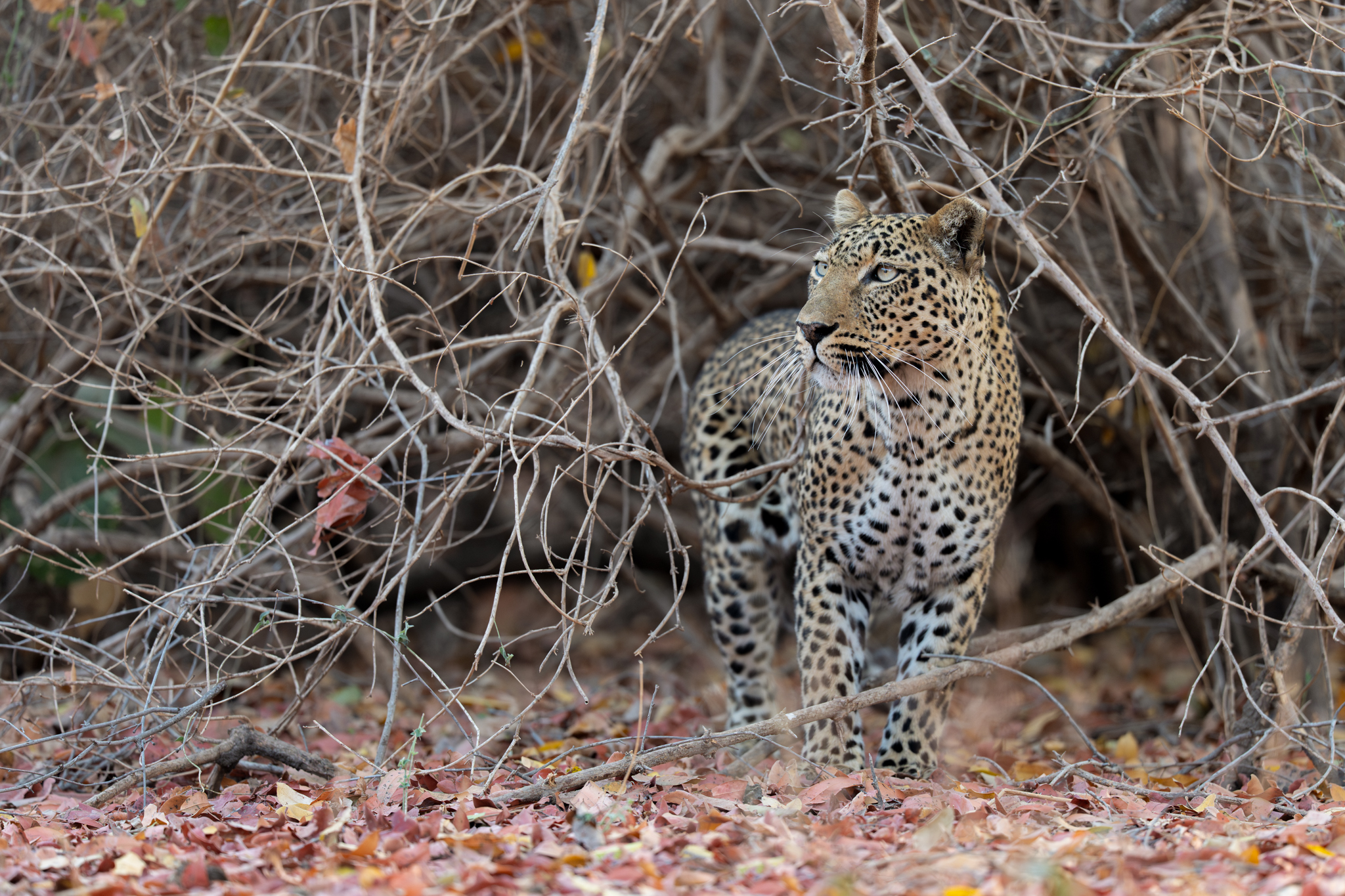
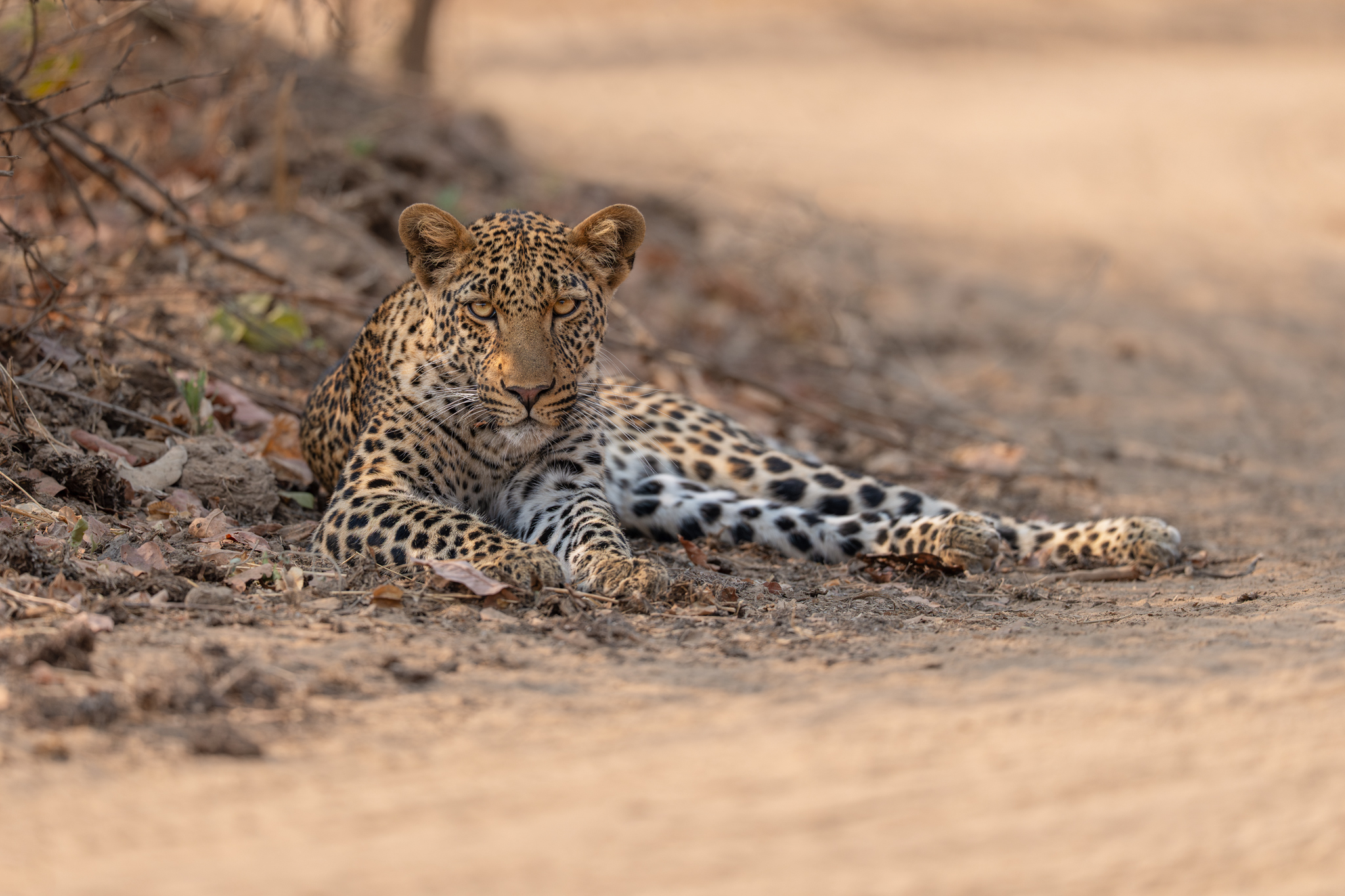
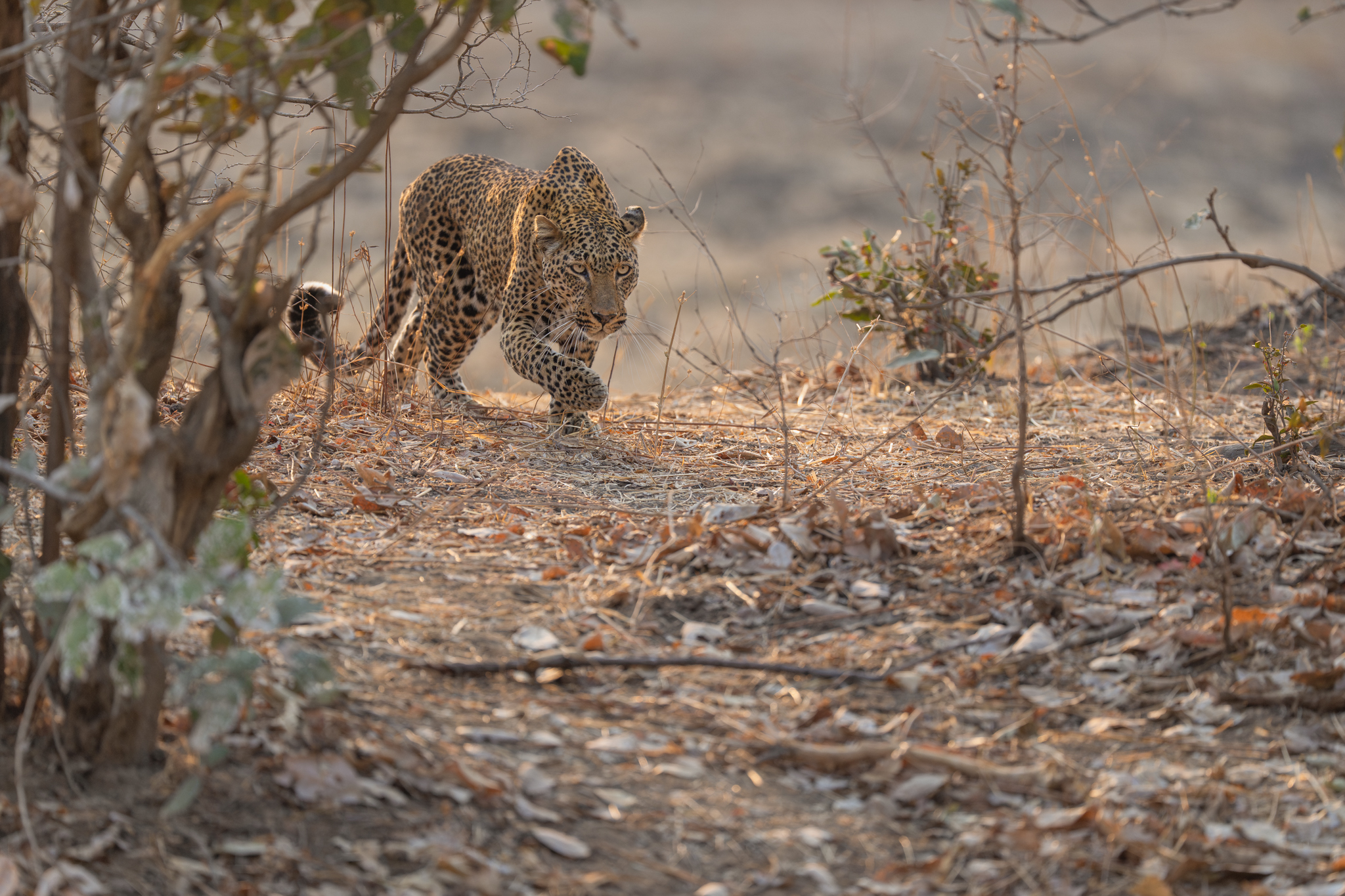
We had quite a few leopard sightings, but due to their elusive nature and stealthy hunting style, they were very hard to find and photograph. They really like to hide in the bushes so its best to manage your expectations in that respect.

Leopards and other nocturnal animals are far easier to spot during night game drives, we decided to skip those whenever possible. Aside from not wanting to spook nocturnal animals, night photography isn’t really our thing. Instead, we asked our guides to start our morning safari drives roughly 15–20 minutes earlier so we could arrive at the gates at 6:00 AM sharp. Skipping the night drives gave us an extra hour or so to sort pictures, clean our lenses, and set up our gear for the next morning. Time well invested!

We struck gold with our game drives overall, because at least 70% of the time, we were the only guests in the vehicle, granting us the freedom to move at our own pace. It was surprising to see so few other photographers in such a world-class location, though we did meet Will from „Will of Africa” a knowledgeable guide offering fully customized Africa trips – worth checking out!

Over 10 days, we rotated between just two guides. We’ve quickly become friendly with both and were happy to see how genuinely they’ve invested in our mission, constantly maneuvering the jeep to help us secure the perfect shooting angles and best lighting conditions.

The park is not overcrowded with safari vehicles, but nevertheless, you are not alone (except maybe on full-day game drives). Leopard sightings act as magnets, and suddenly vehicles start to show up whenever one is found. However, the most we saw gathered at once was 5 or 6, though it was usually just 2 or 3 vehicles per sighting which is far better than what you experience in other prime locations in Kenya and Tanzania.

Everything else was a typical dry-season safari experience: bumpy roads, dust everywhere, and lots of sightings. The guides exchanged info along the way. Since there were no radios, they used cell phones sparingly, and only when there was service. This meant silence and sheer joy of watching and listening to raw nature around you. A massive difference compared to other famous spots.

Walking Safaris and Full-Day Expeditions

Breaking the routine of morning and evening drives, we opted for a full-day safari—dawn till dusk, with no return to camp for lunch or a nap. We began at the busy main gate near Mfuwe Bridge but quickly left the crowds behind, pushing northeast towards Kalimunda. Our destination was the remote Nsefu sector, the filming location for David Attenborough’s upcoming The Kingdom.

The isolation was stark; we saw barely three other vehicles all day. While the midday light wasn’t ideal for photos, and the ferocious heat made dehydration a constant threat, the journey was worth it. Exploring these untouched landscapes offered a thrill that standard drives couldn’t match. In fact, we loved it so much we booked a second full-day trip before we left.

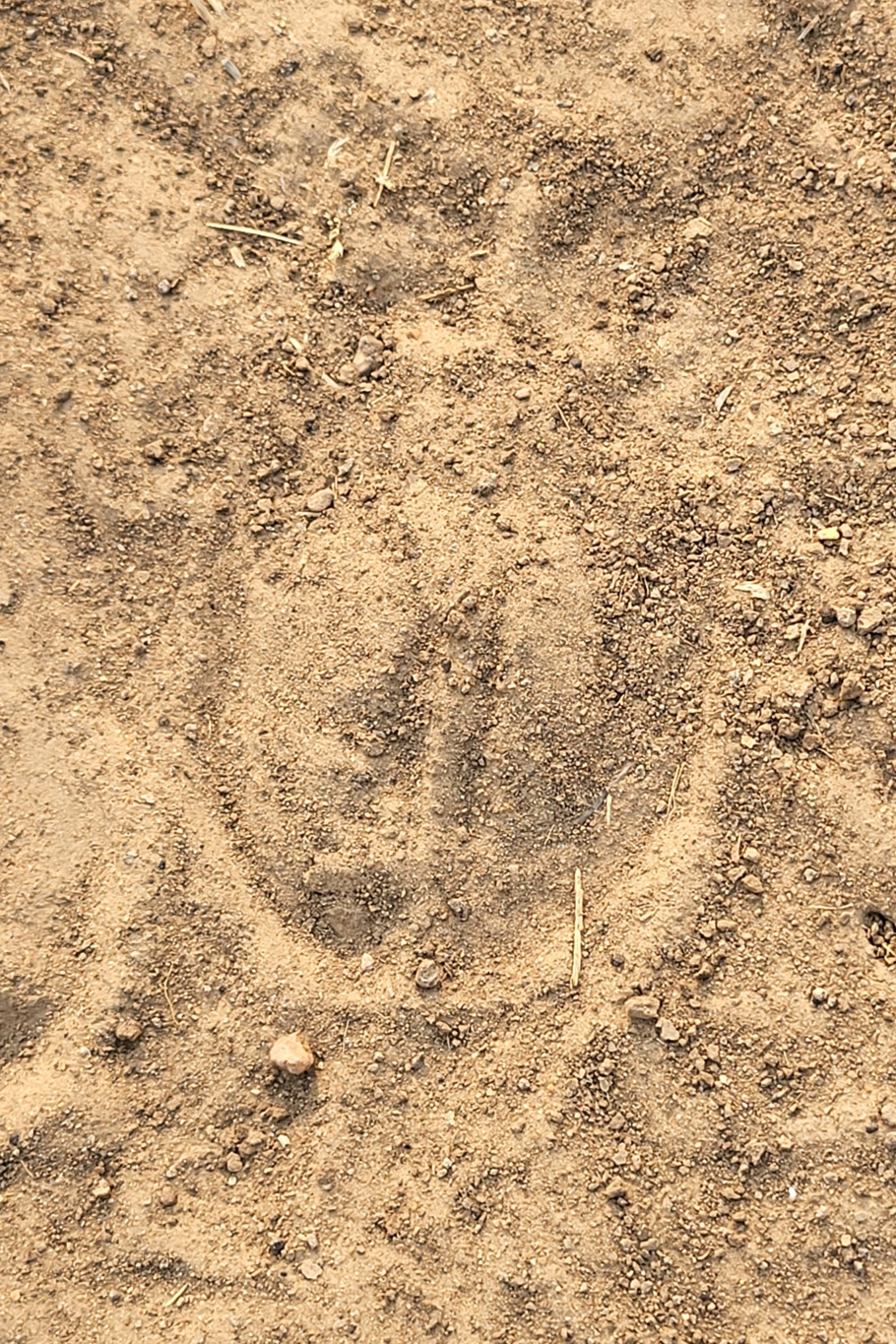
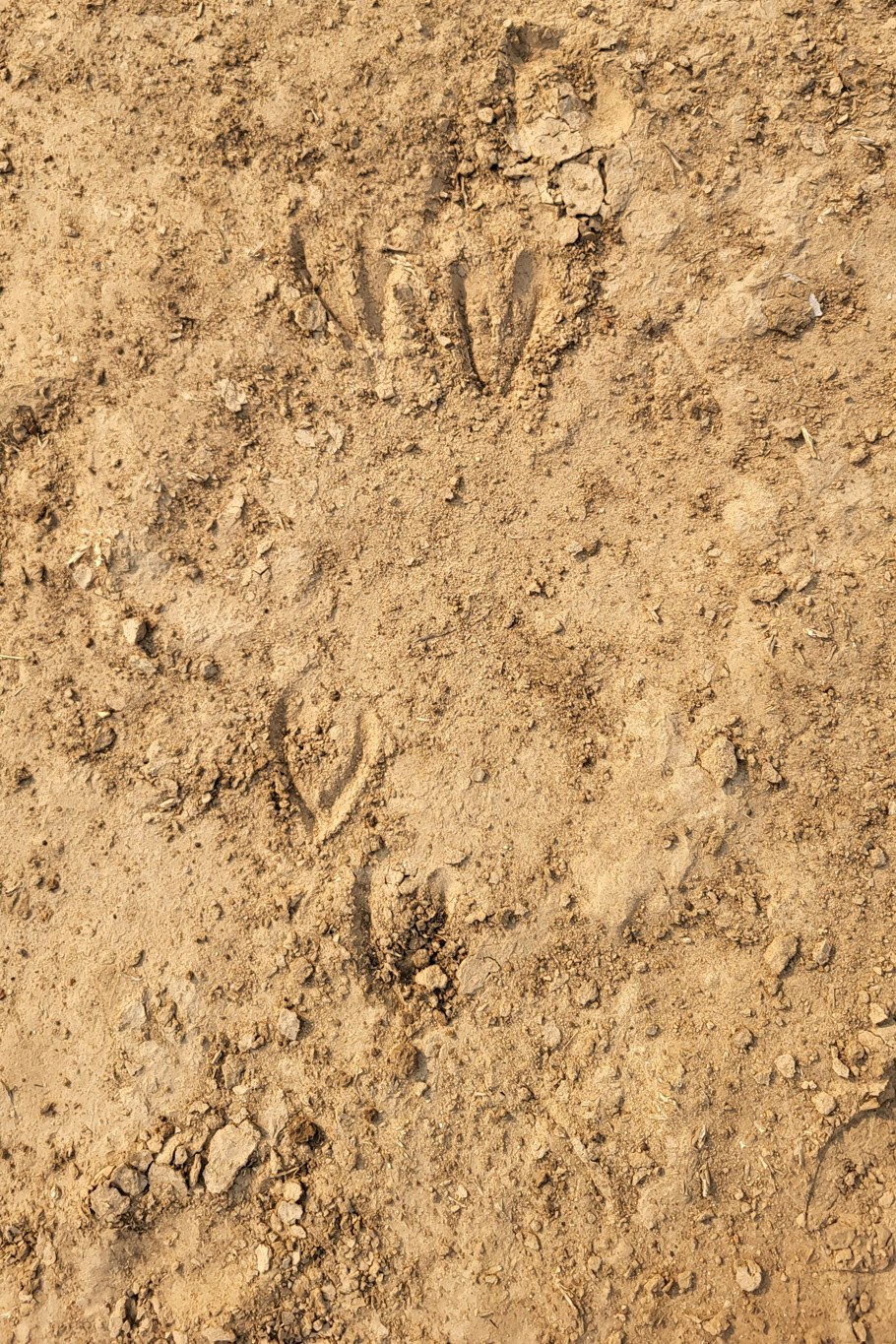
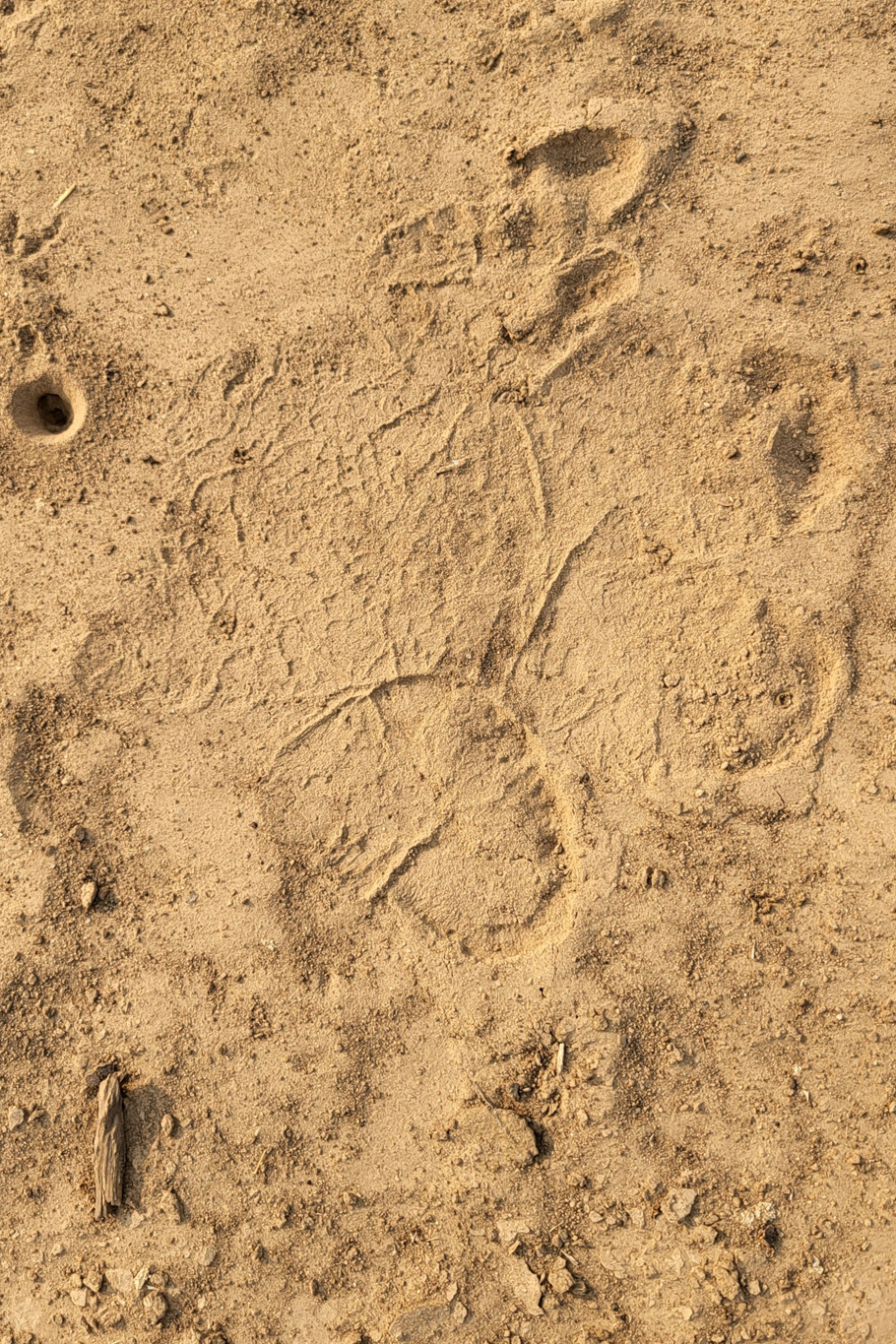
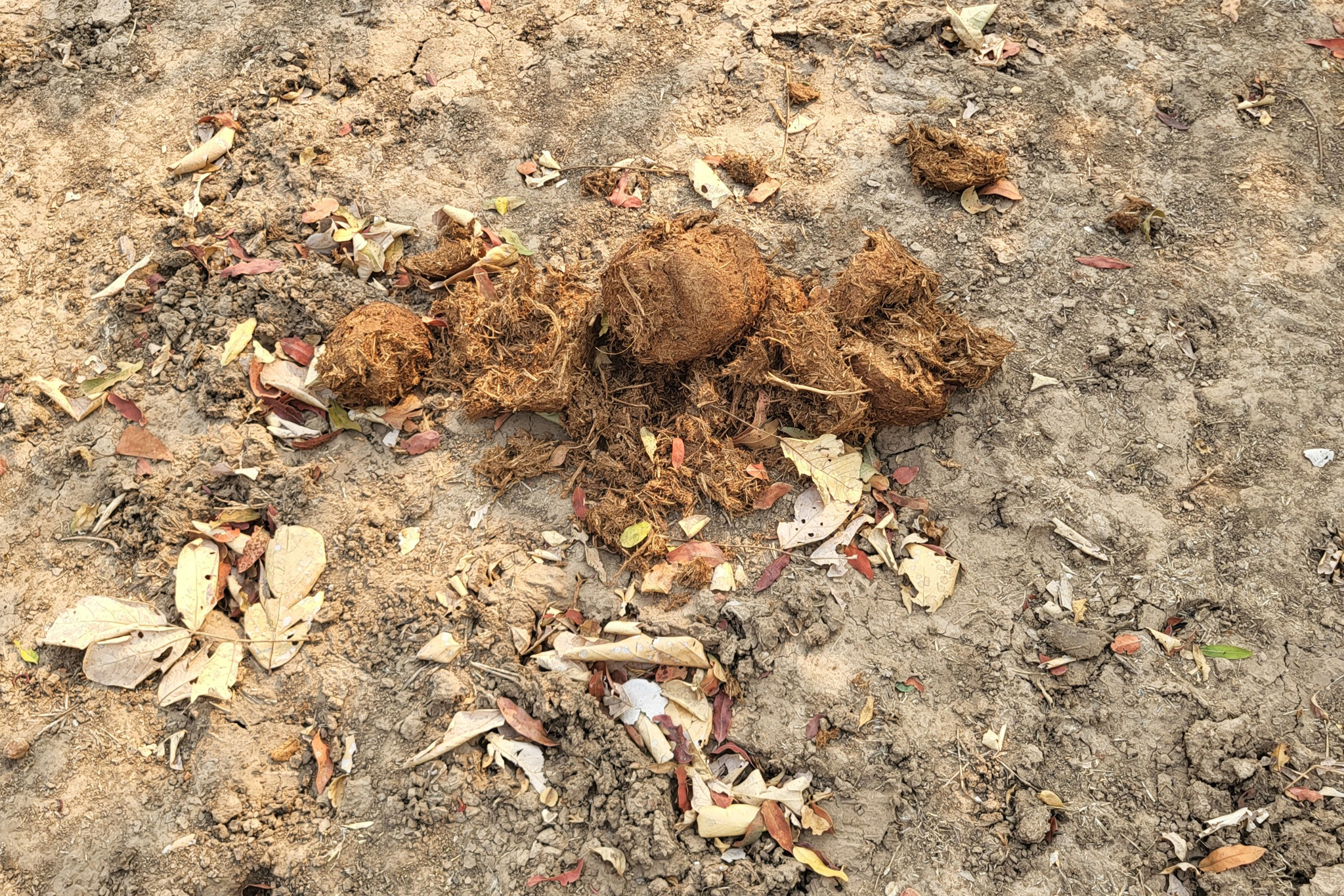
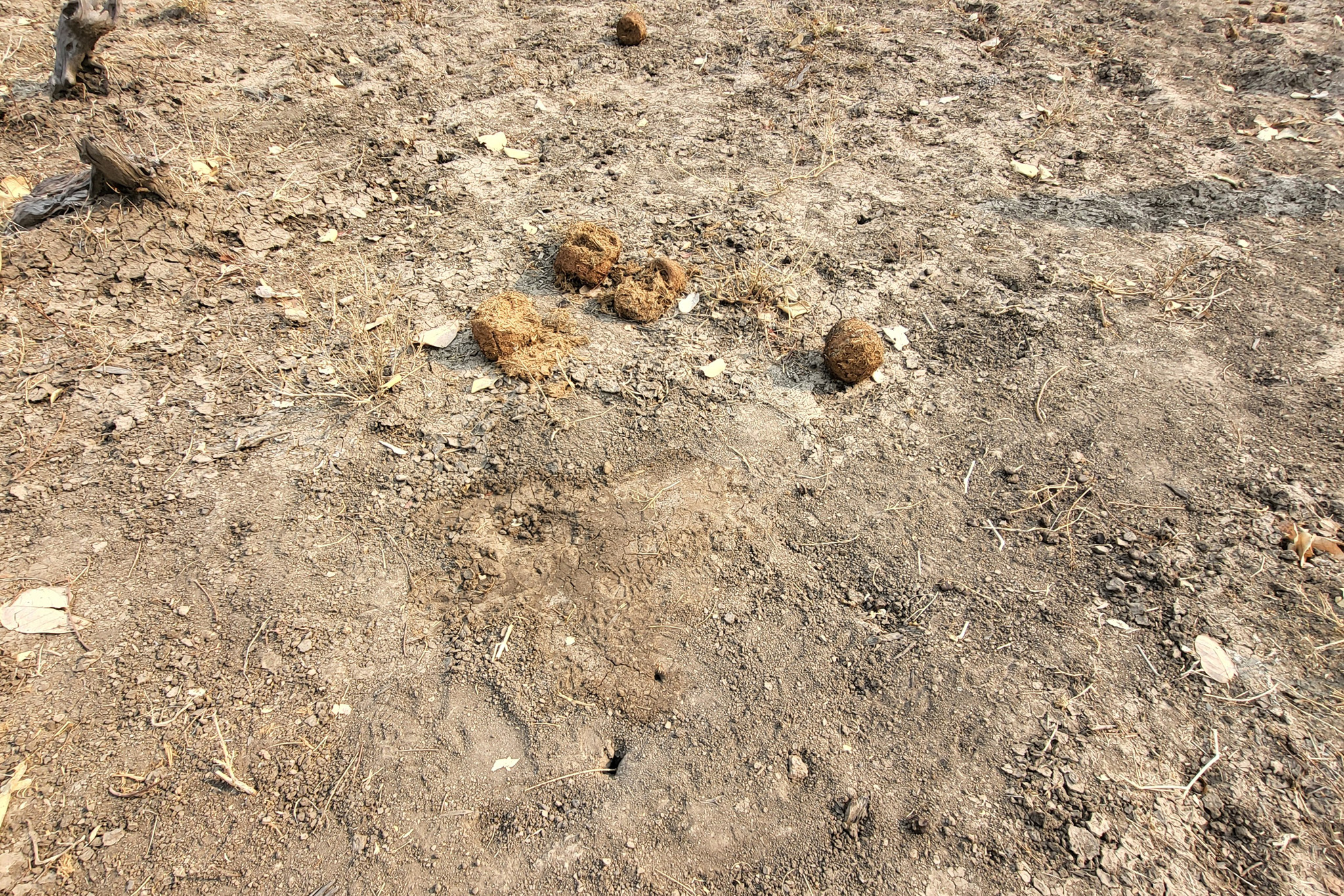
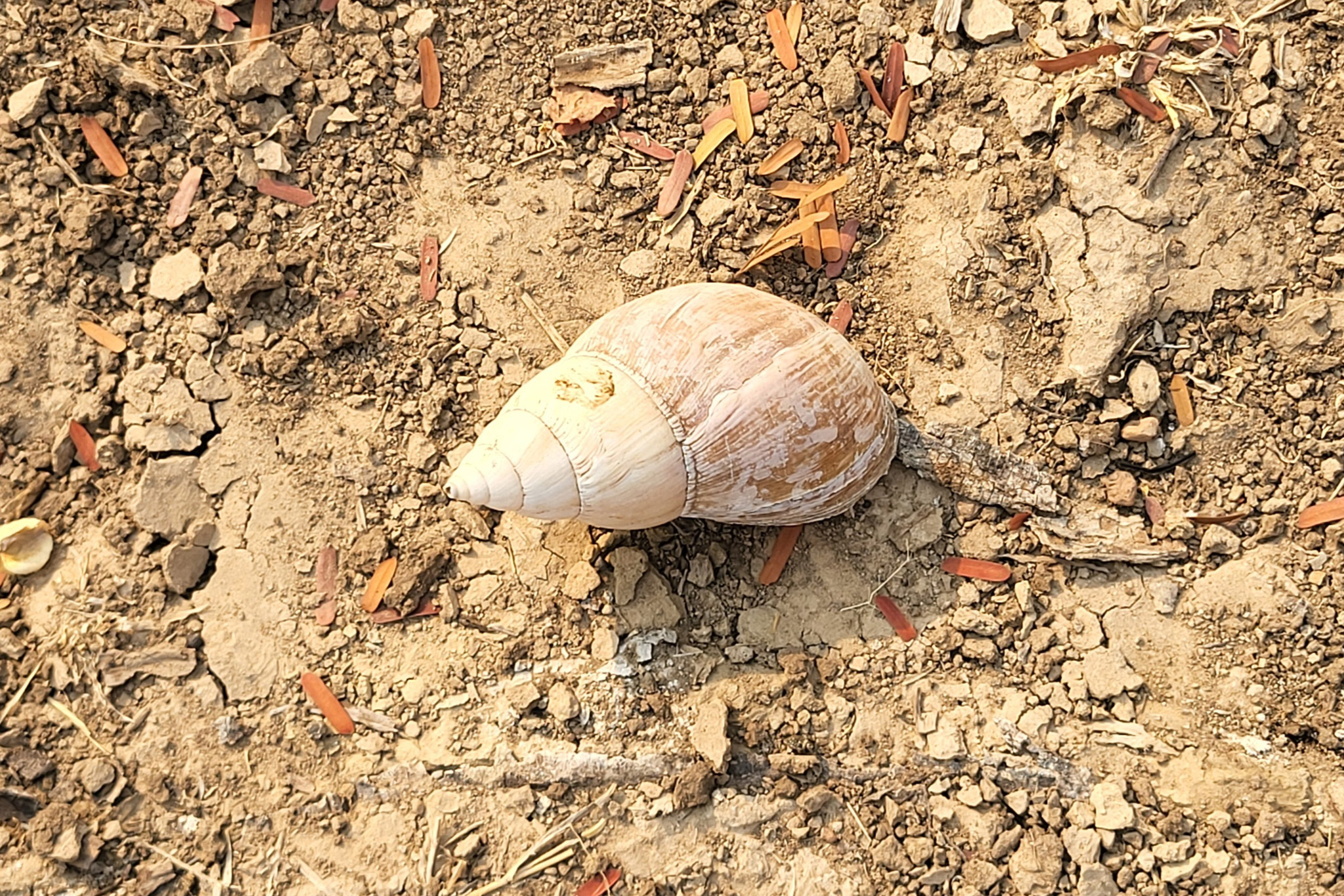
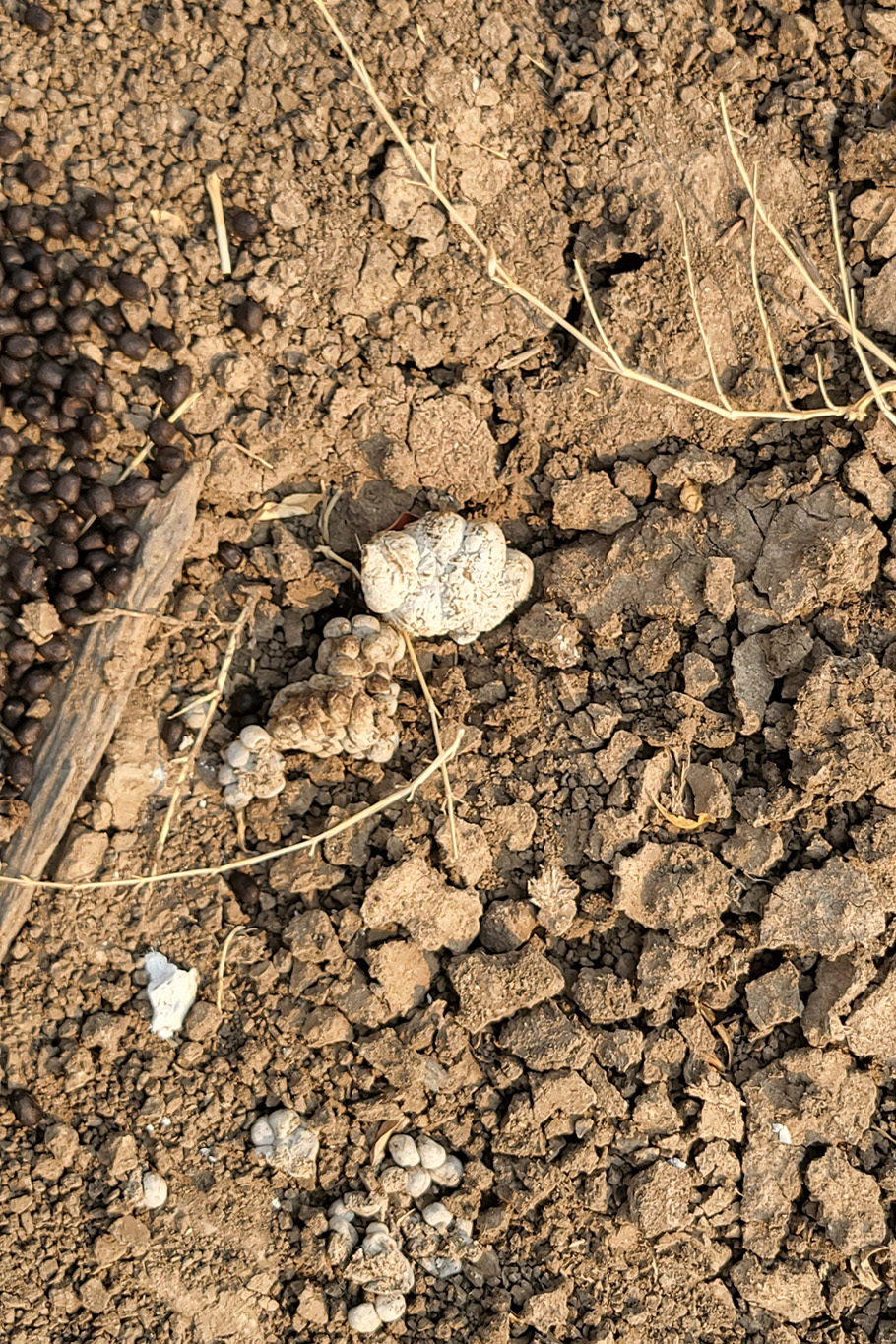
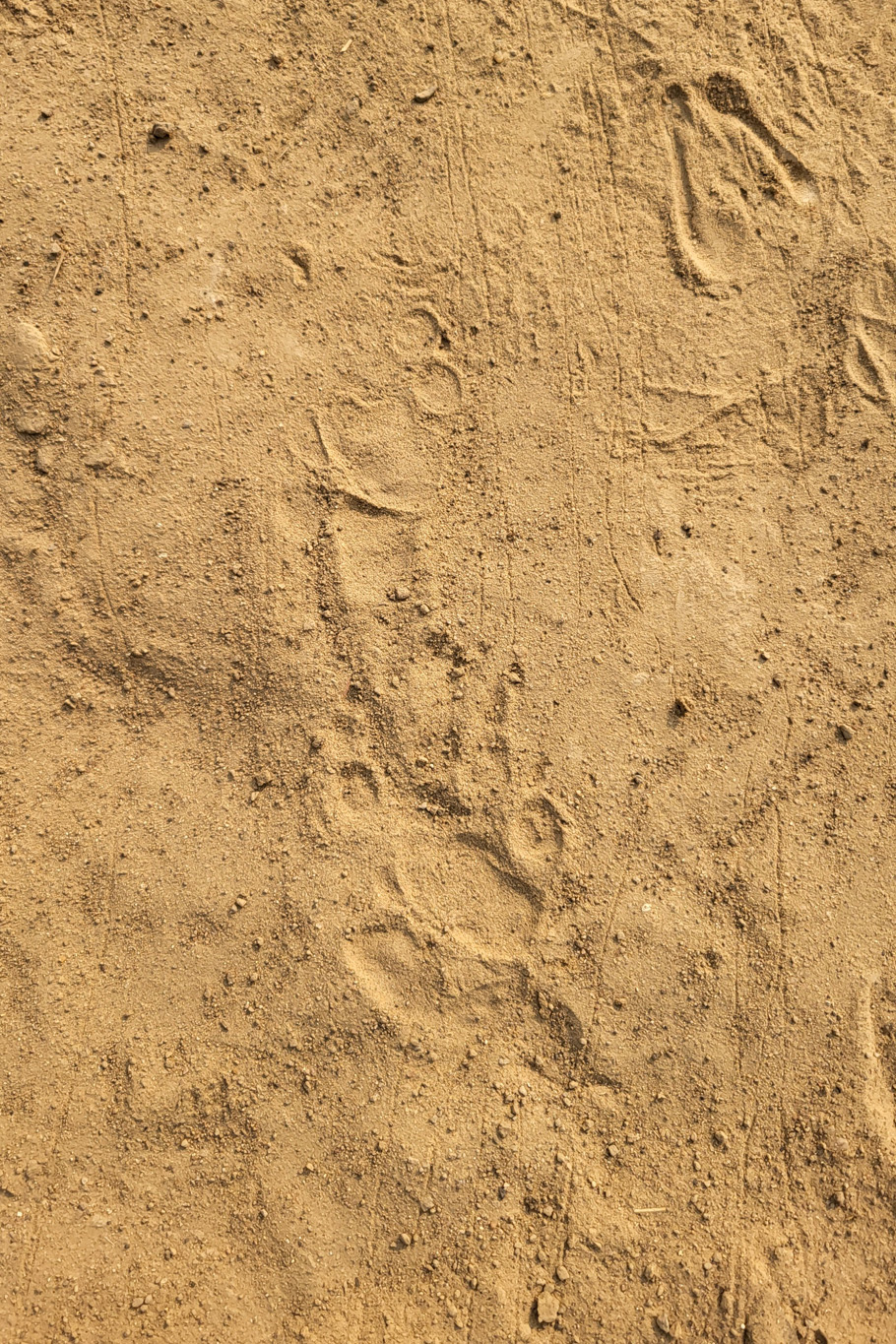
One major highlight was a walking safari. This isn’t always on offer, so it was a unique opportunity to experience bush life on foot. Our guide taught us to read the bush, explaining animal tracks, droppings, and the medicinal uses of plants. It gave us a profound understanding of the intricacies of this rich ecosystem.

The Nsefu Sector

It is historically significant as the oldest safari area in Zambia, having been set aside for photographic tourism in the early 1950s through a pioneering agreement between the local Chief Nsefu and conservationist Norman Carr. Geographically, it is defined by the Luangwa River’s dramatic meanders, which have created a system of permanent oxbow lagoons that attract immense concentrations of game during the dry season. This unique landscape served as the exclusive set for the BBC Earth series Kingdom, which filmed the lives of specific lion, leopard, hyena, and wild dog families here for over four years. The filmmakers chose Nsefu specifically because the high density of predators allowed them to document individual characters—like the famous leopardess Olimba—with an intimacy that is rarely possible in the wild. Today, visiting the sector offers a surreal experience where you are not just viewing wildlife, but potentially watching the real-life descendants of the „cast” from the documentary.

Species We Encountered in South Luangwa

Here is a list of the incredible wildlife we photographed, including some facts specific to the unique ecosystem of the Luangwa Valley.

Mammals

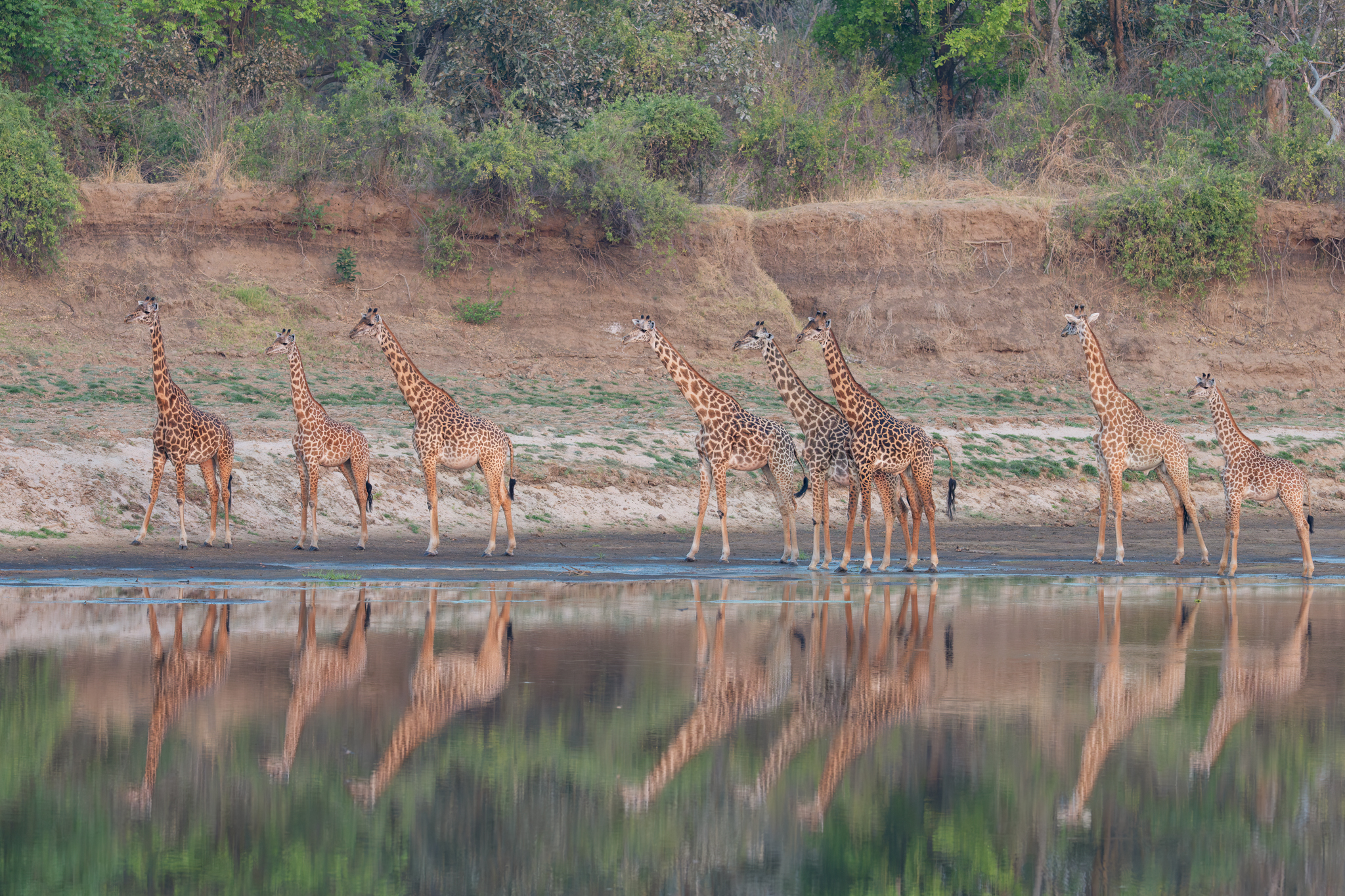
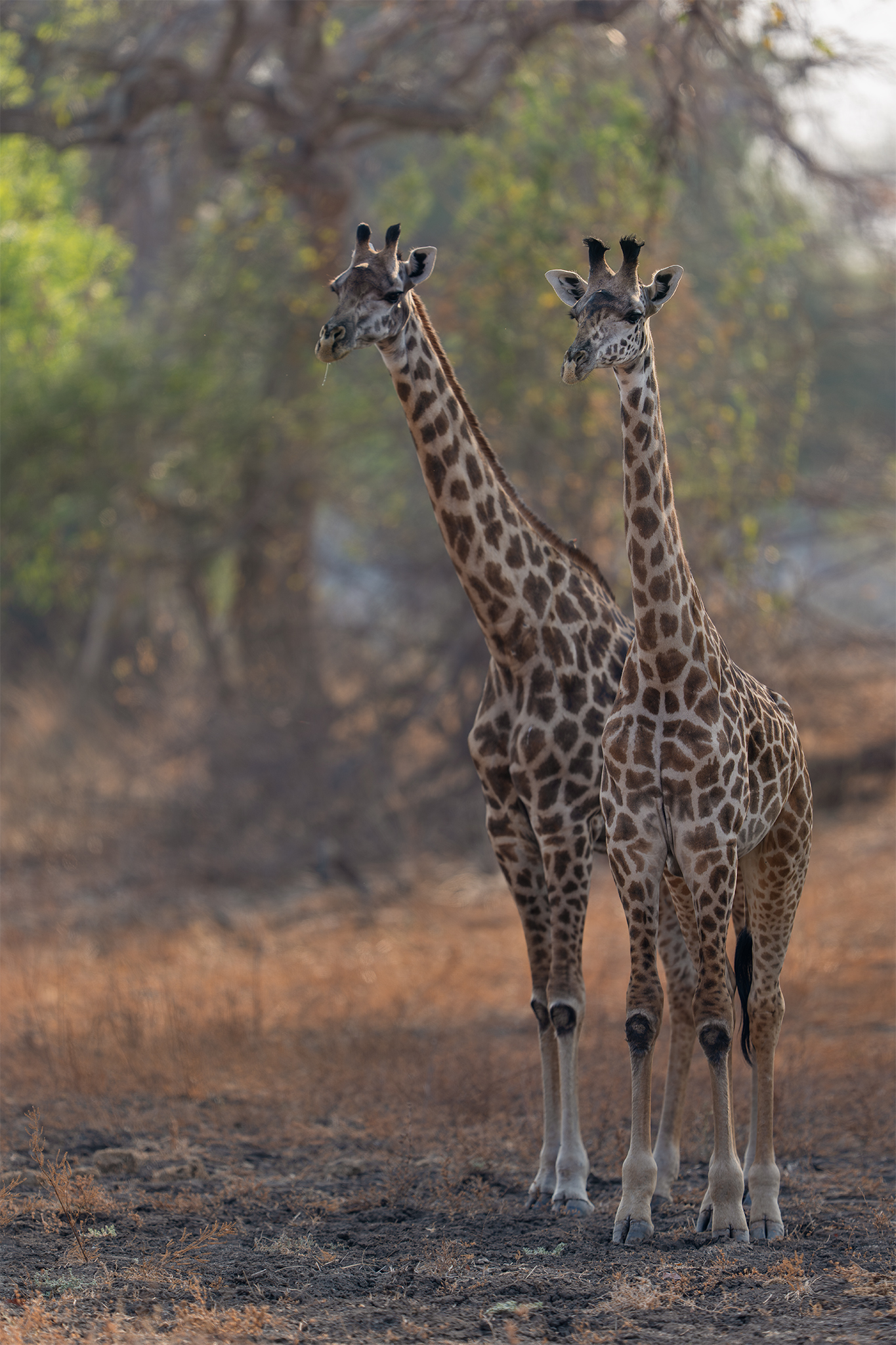
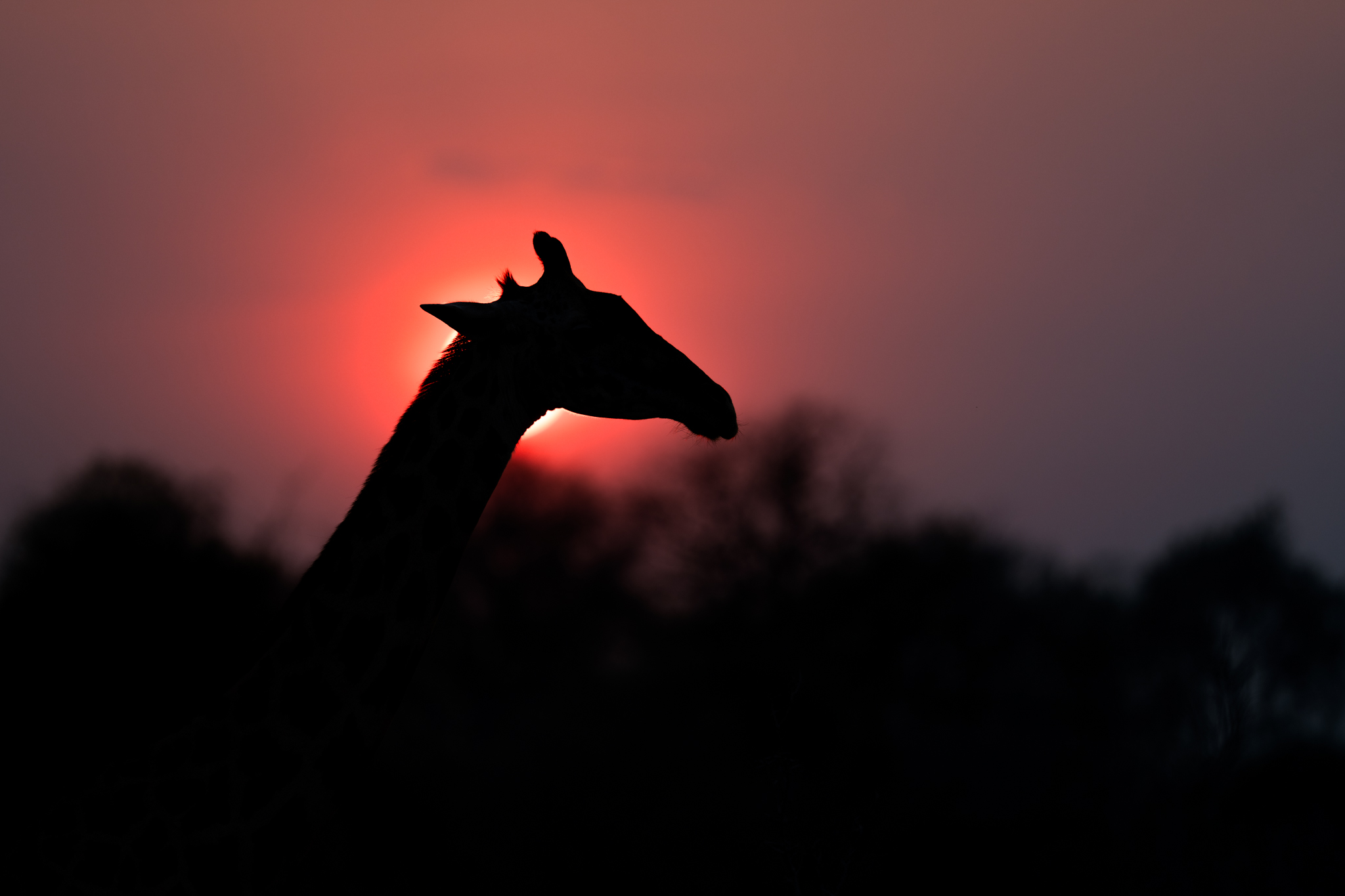
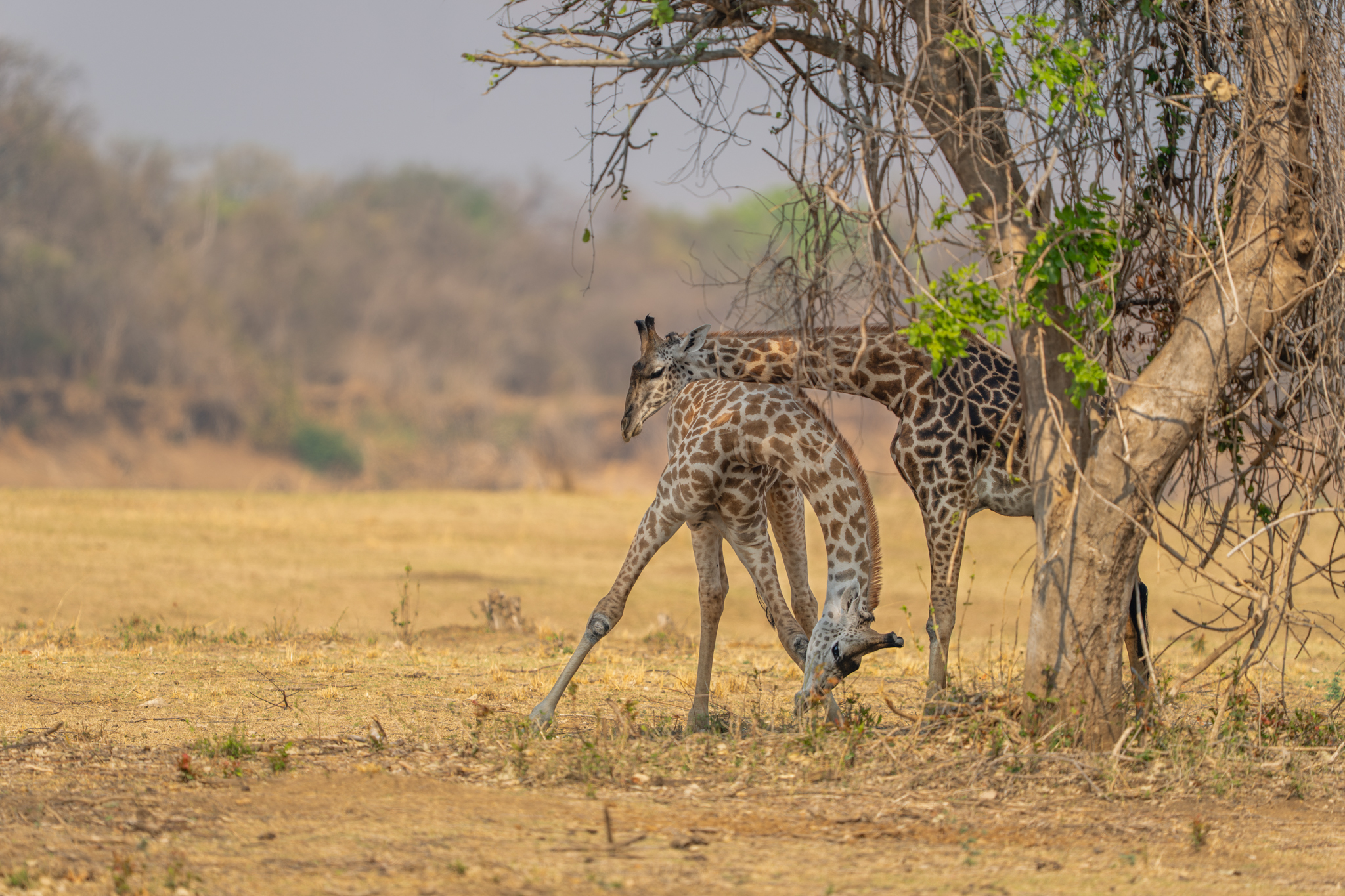
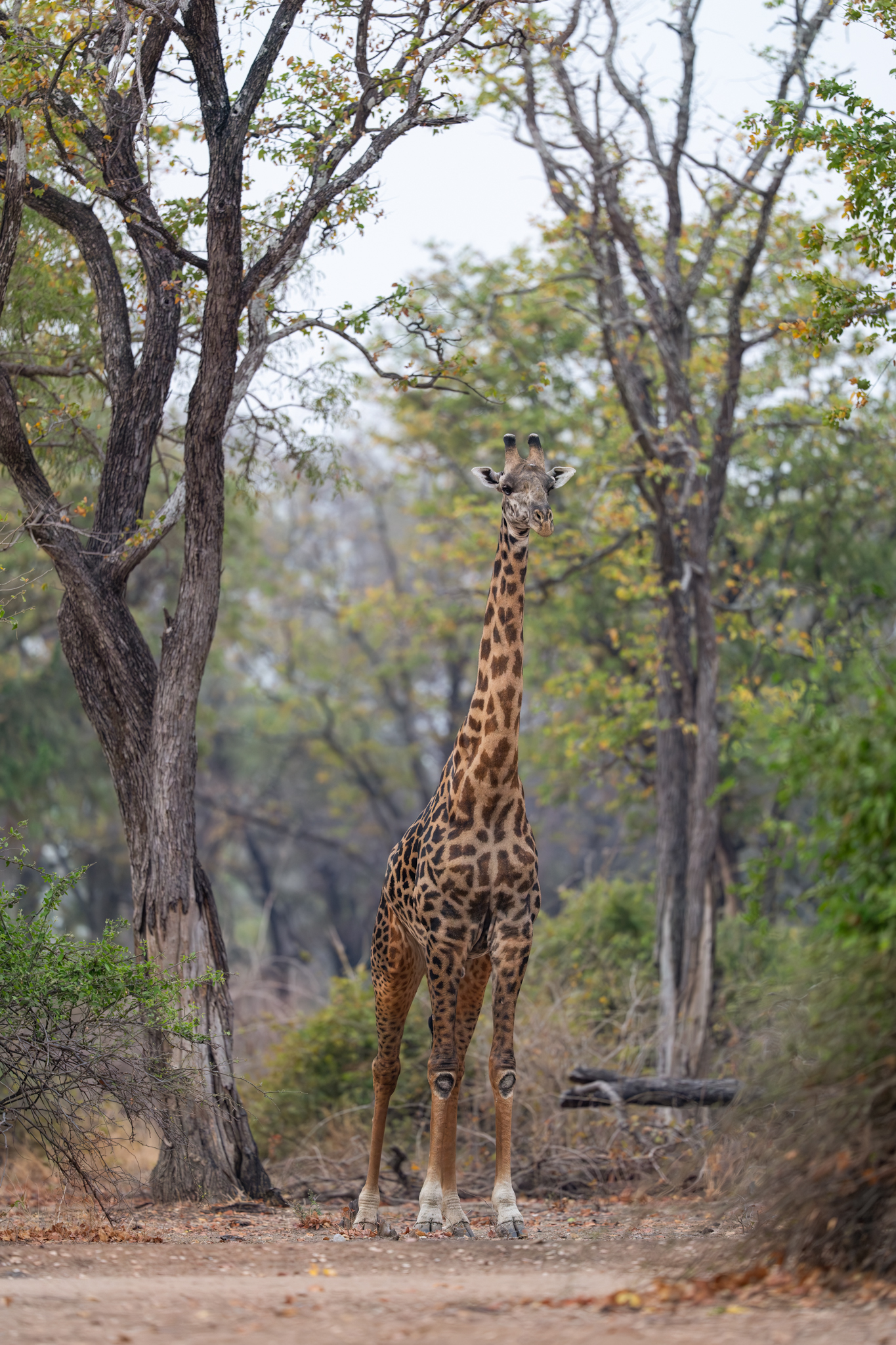
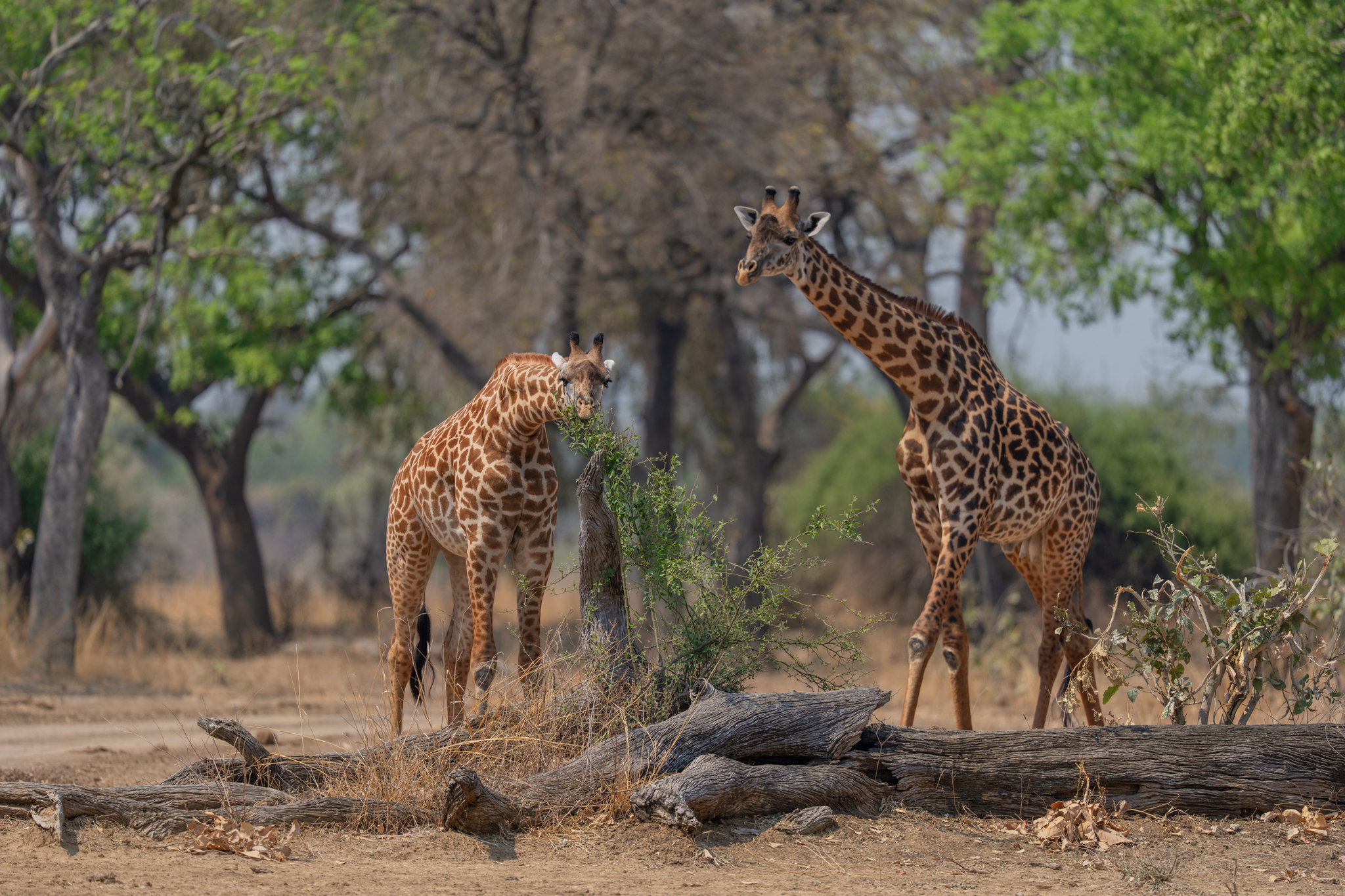
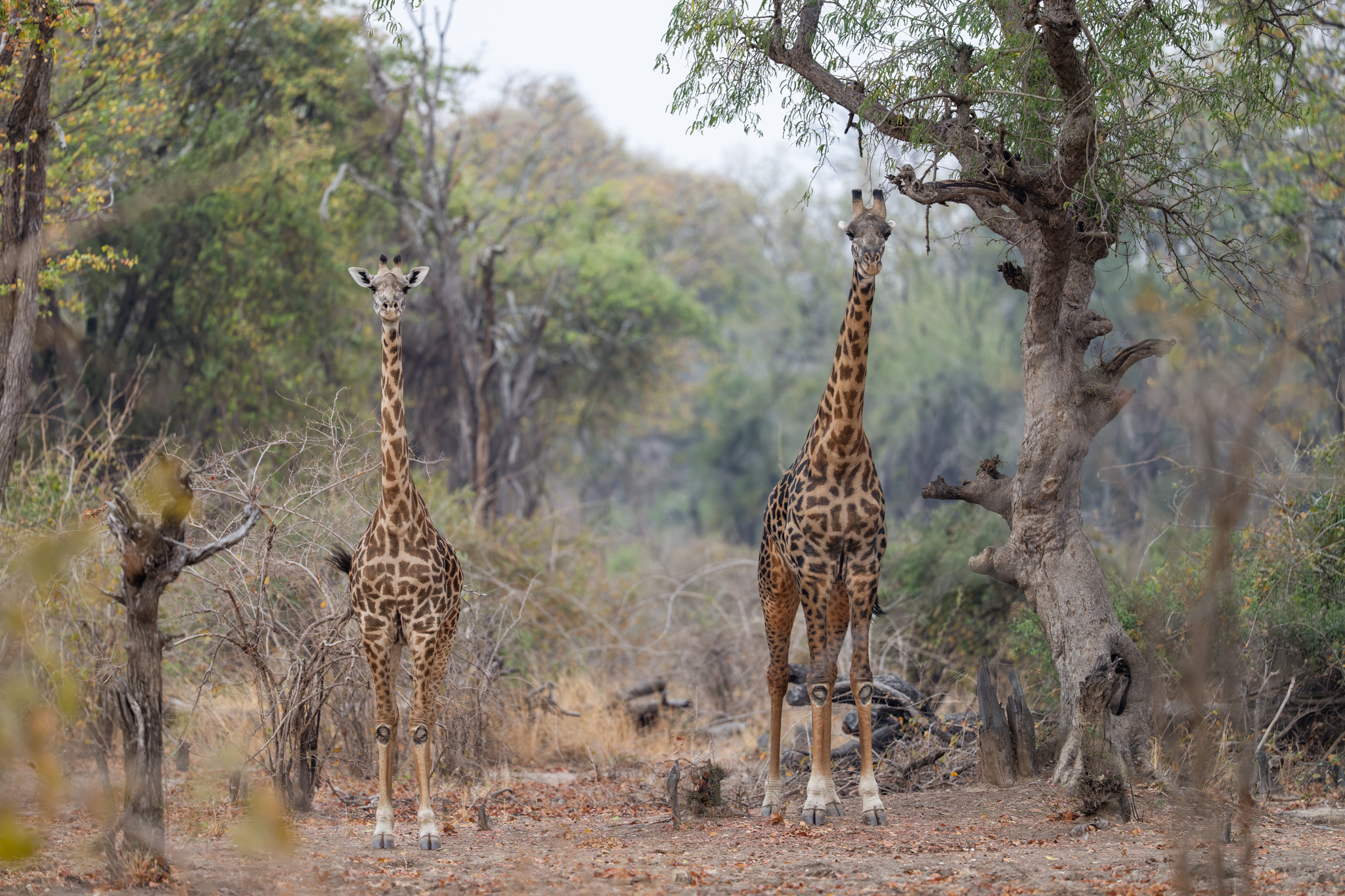
Thornicroft’s Giraffe

  • This subspecies is geographically isolated and endemic to the Luangwa Valley, meaning you cannot find them anywhere else in the wild.
  • They are slightly smaller than other giraffes and have a unique pattern where the spots do not extend below the knees, leaving their lower legs clean and white.
  • Because they live in the valley floor, they are rarely preyed upon by lions, which allows their population to remain stable compared to other regions.
  • Their tongues can be up to 45cm long and are dark purple/black to prevent sunburn while they strip leaves from thorny acacia trees.

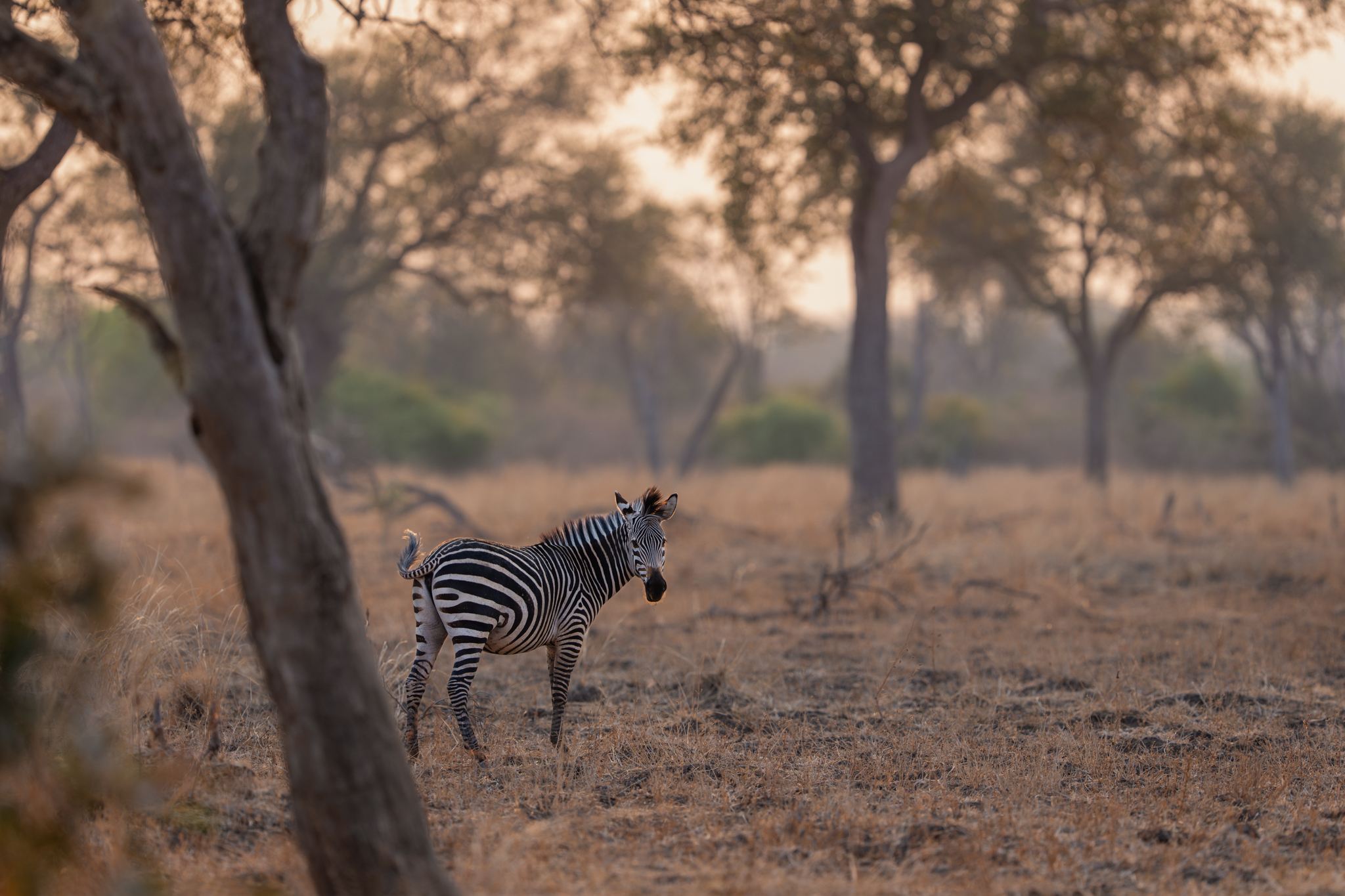
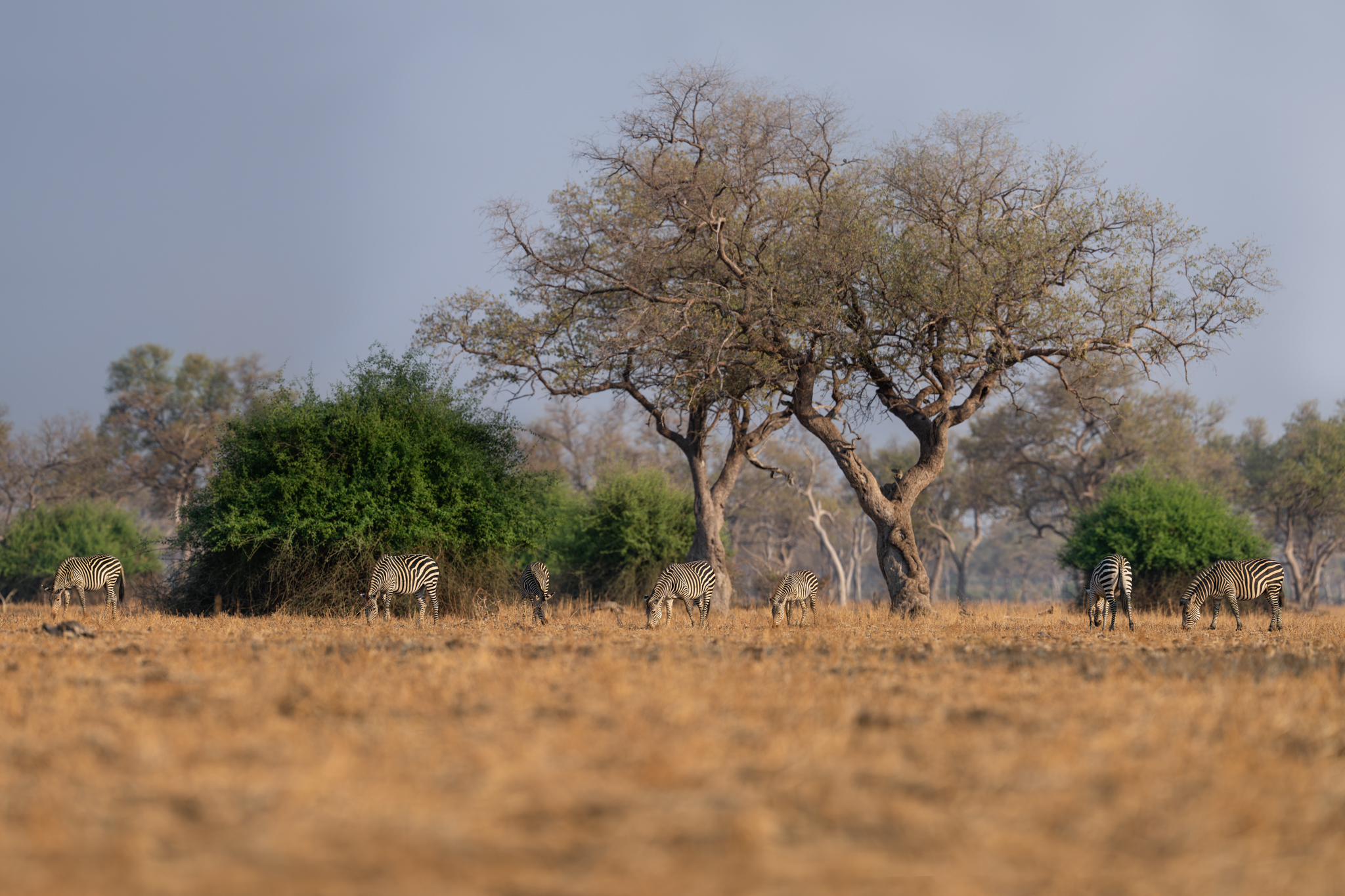
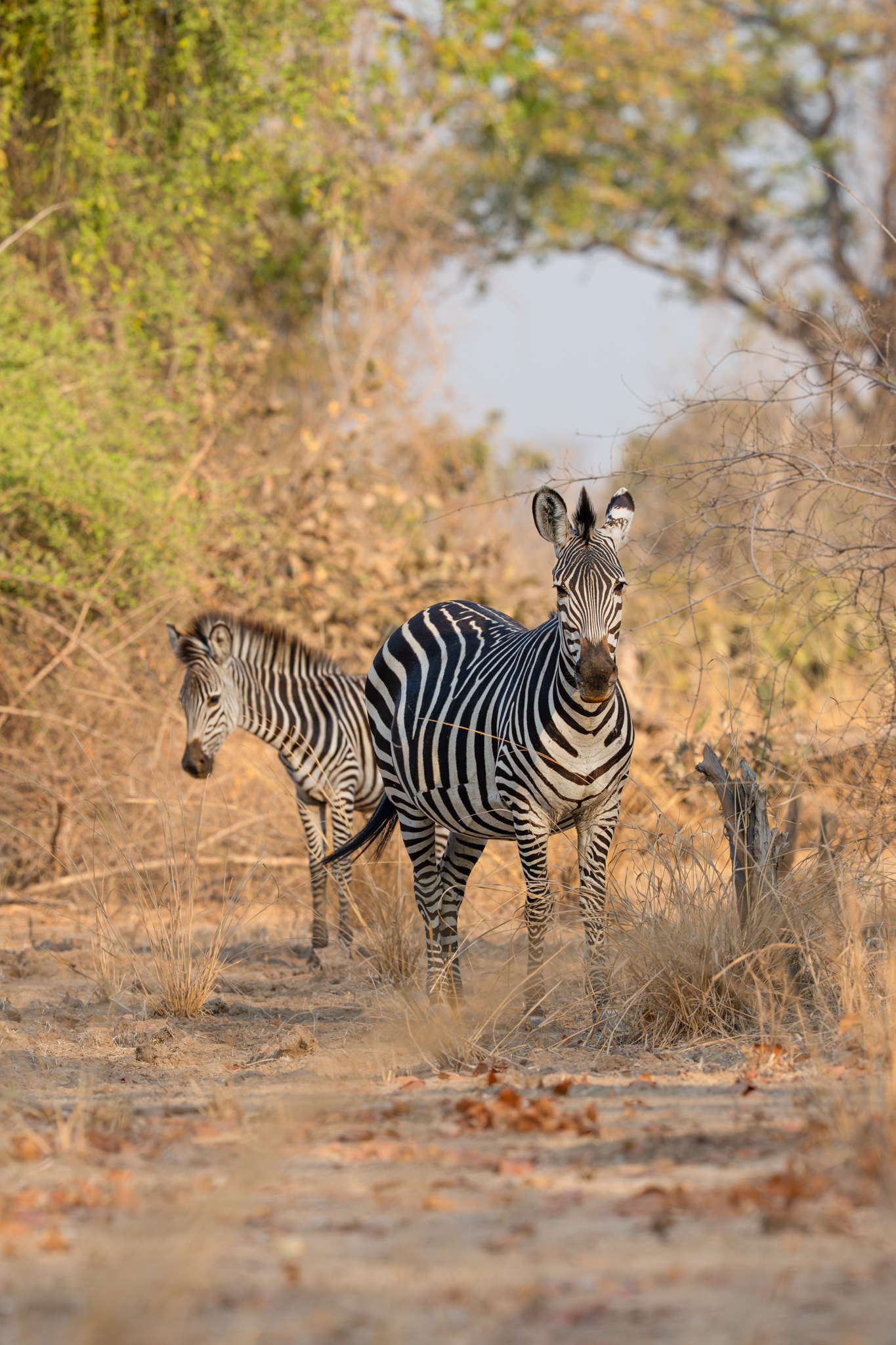
Crawshay’s Zebra

  • Like the giraffe, this is a distinct subspecies native to the Luangwa Valley and parts of Malawi.
  • They are easily distinguished by their very narrow, dense stripes that go all the way down to their hooves.
  • Unlike the Burchell’s zebra found in southern Africa, Crawshay’s zebras lack the brownish „shadow stripes” between the black and white lines.
  • Their unique stripe pattern acts as a cooling mechanism and dazzle camouflage, confusing predators when the herd is moving in a group.

Leopard

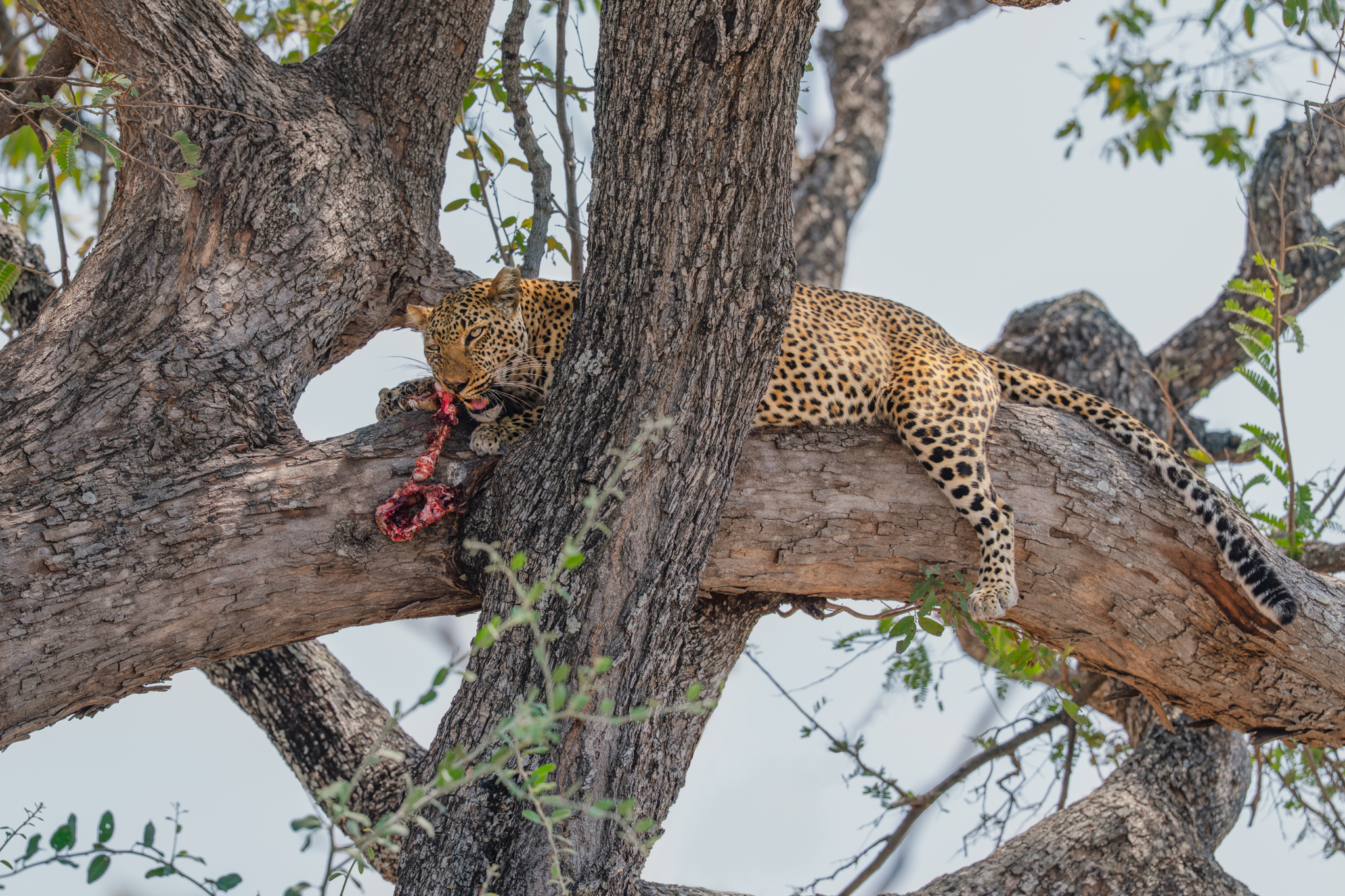
  • South Luangwa is nicknamed the „Valley of the Leopard” because it has one of the highest densities of these cats in the world.
  • Unlike in many other parks, leopards here are well-habituated to vehicles, often allowing photographers to follow them for long periods without disturbance.
  • They are the only big cat that regularly hoists heavy kills high into Sausage Trees (Kigelia) to protect them from the valley’s abundant hyenas.
  • While usually nocturnal, we often saw them moving during the cool hours of the morning or late afternoon due to the park’s dense shade.

Lion

  • The lions of South Luangwa are known for taking down large prey, including buffalo and even hippos, due to the high concentration of game near the river.
  • Males in this region often form „coalitions” to hold territory, battling for control over the prides that hunt along the riverbanks.
  • During the dry season, they use the dry riverbeds as camouflage, blending perfectly with the golden sand to ambush prey coming to drink.
  • The „Luangwa lions” are occasionally seen climbing trees to escape biting tsetse flies, a behaviour usually associated with lions in Tanzania.

African Savannah Elephant

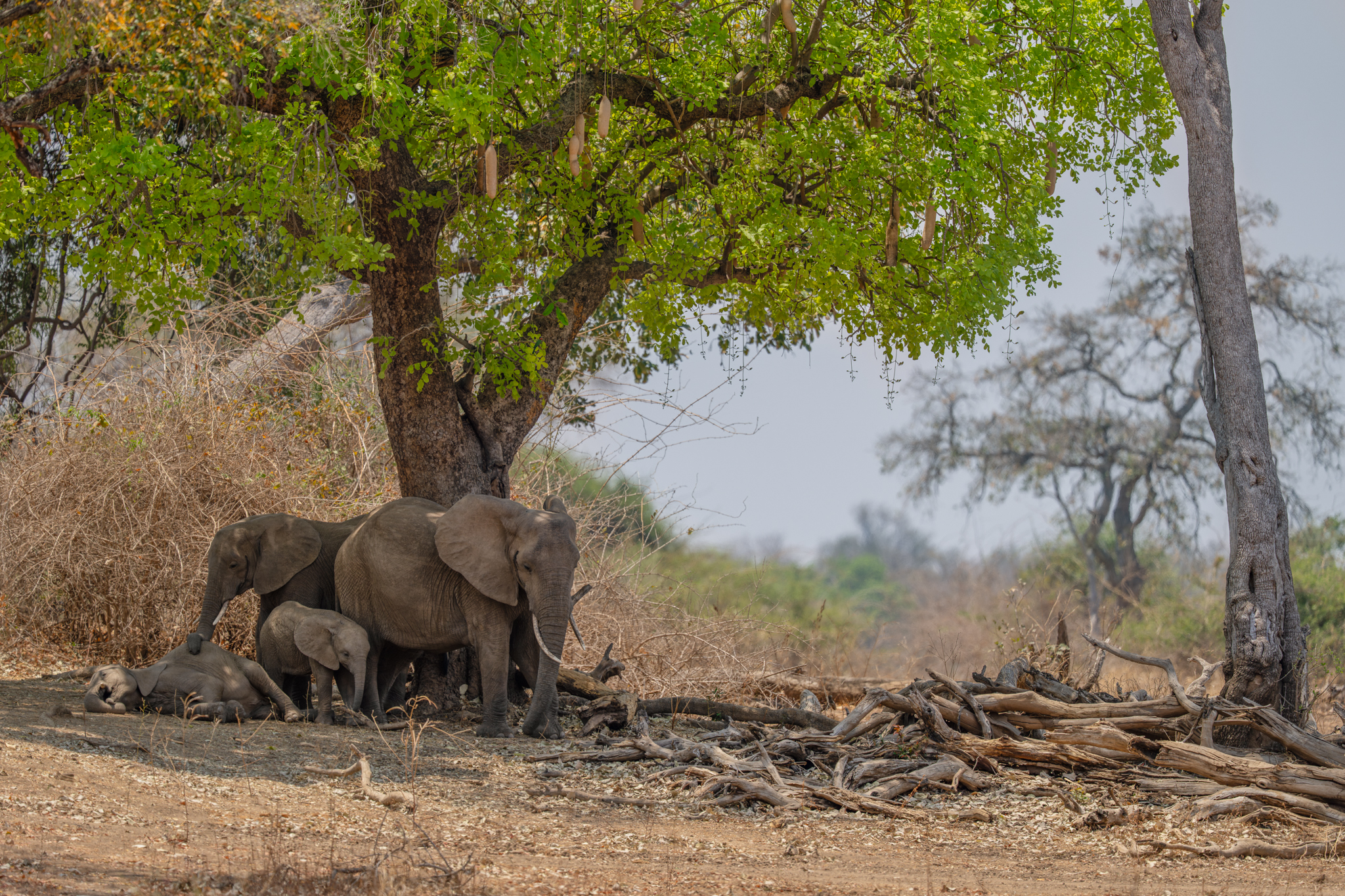
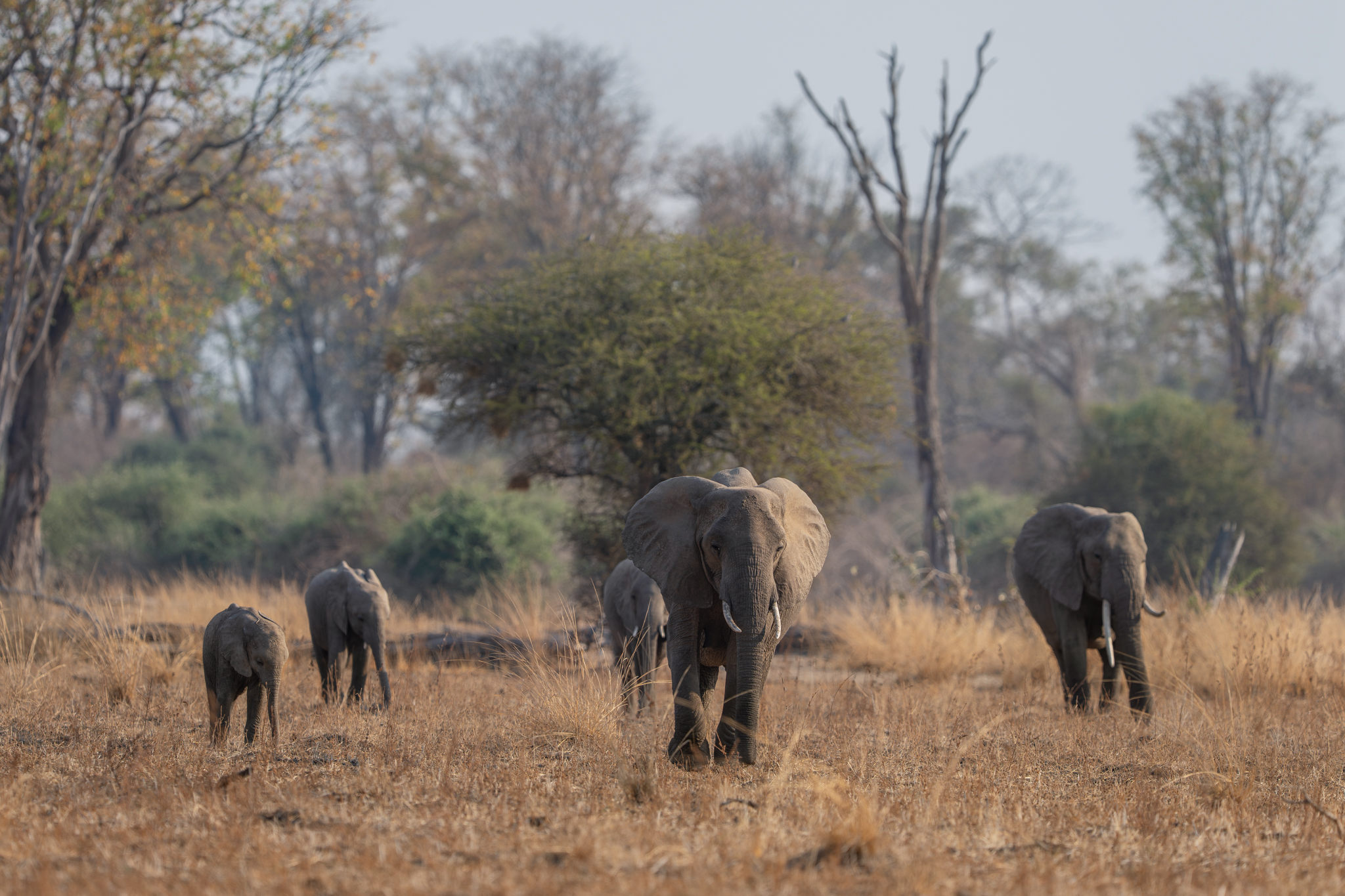
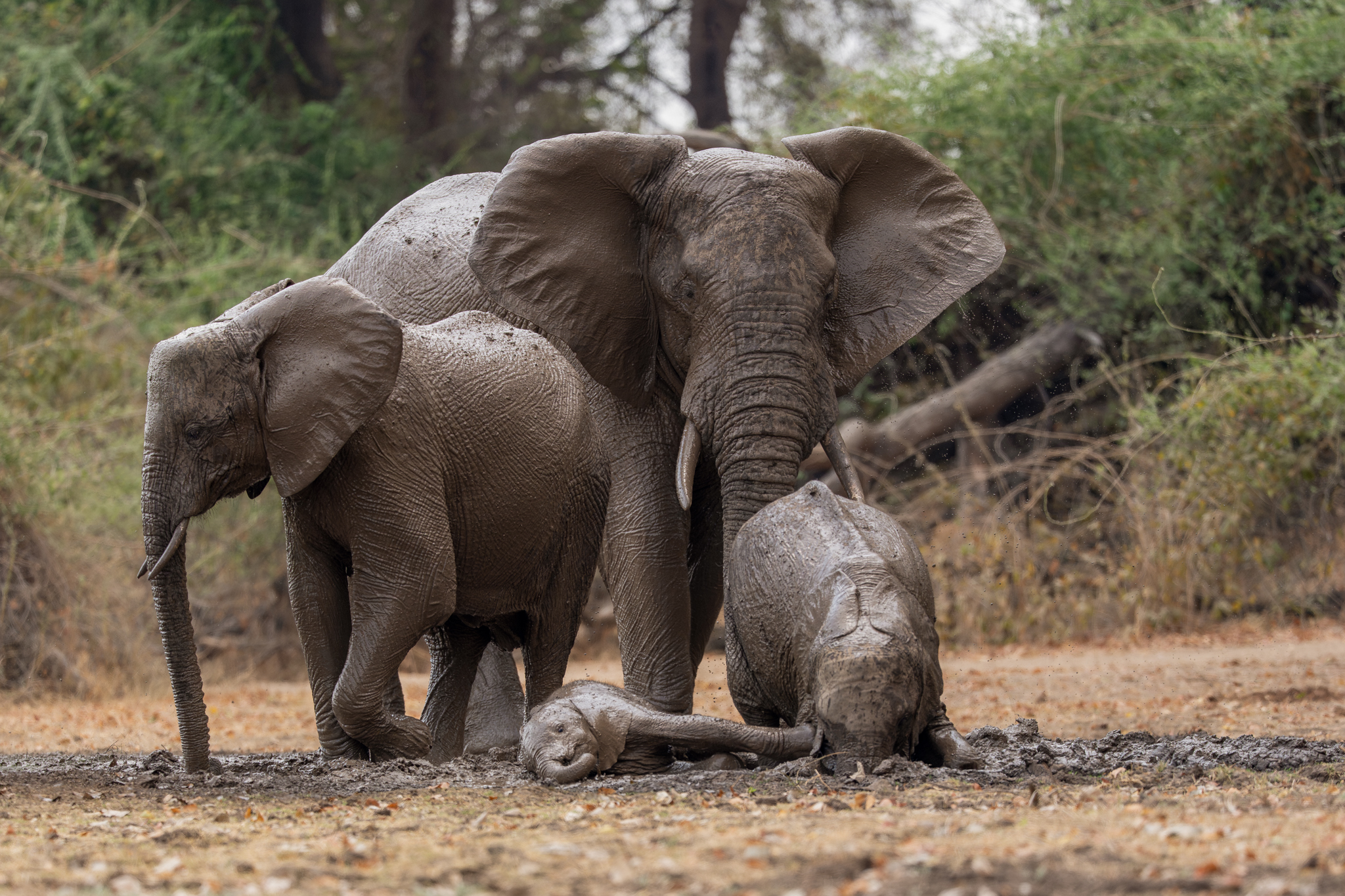
  • In the dry season, elephants in Luangwa can be seen crossing the river daily, a behavior that provides incredible photographic opportunities.
  • They are the landscape architects of the park; by pushing over trees, they keep the savannah open, which allows grass to grow for zebras and antelopes.
  • We observed them digging into the dry riverbeds with their trunks to access clean water flowing beneath the sand, often creating wells that other animals use later.
  • The elephants here have adapted to the „chili bomb” deterrents used by local farmers, showing how intelligent they are at navigating human boundaries.

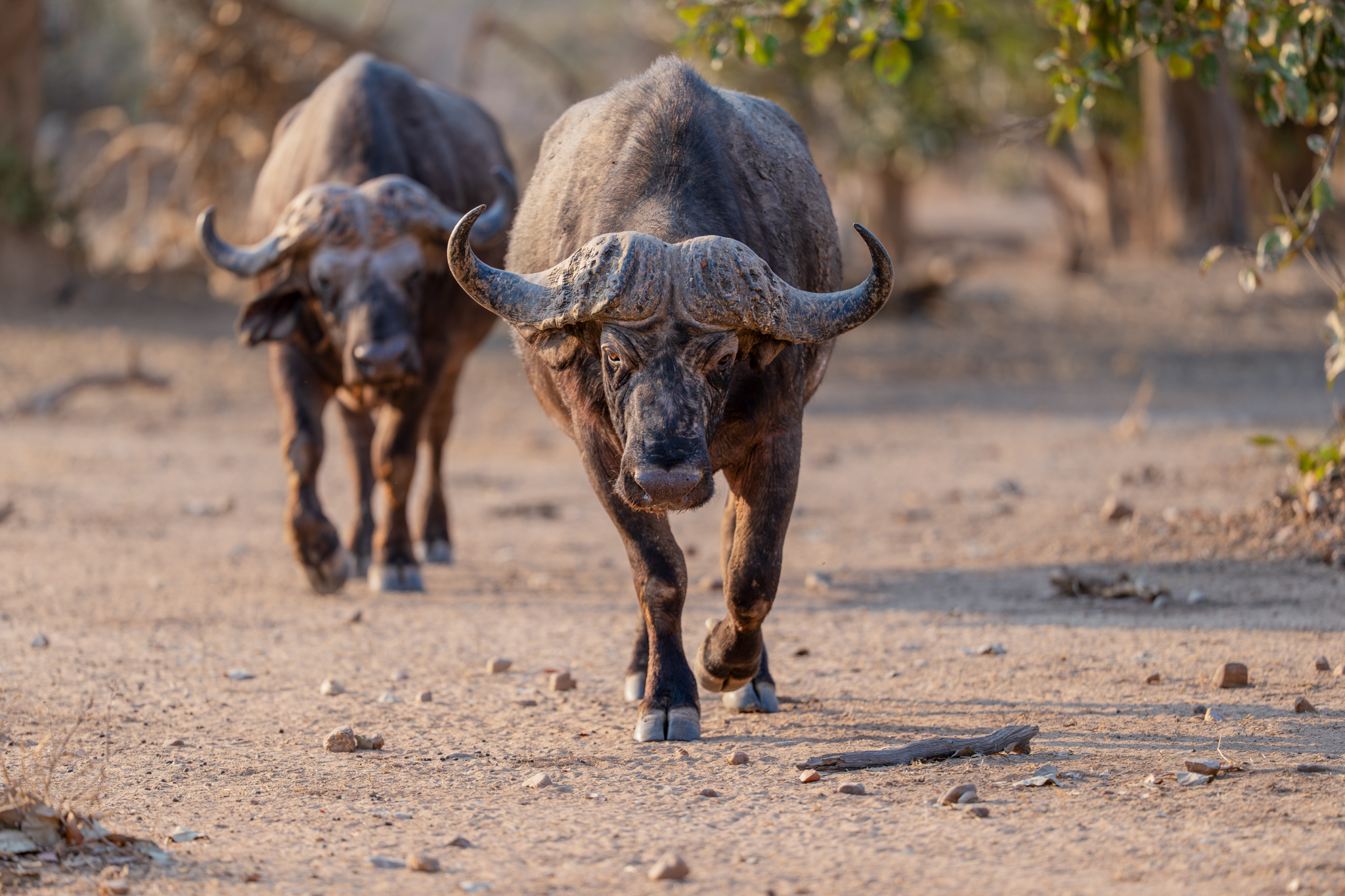
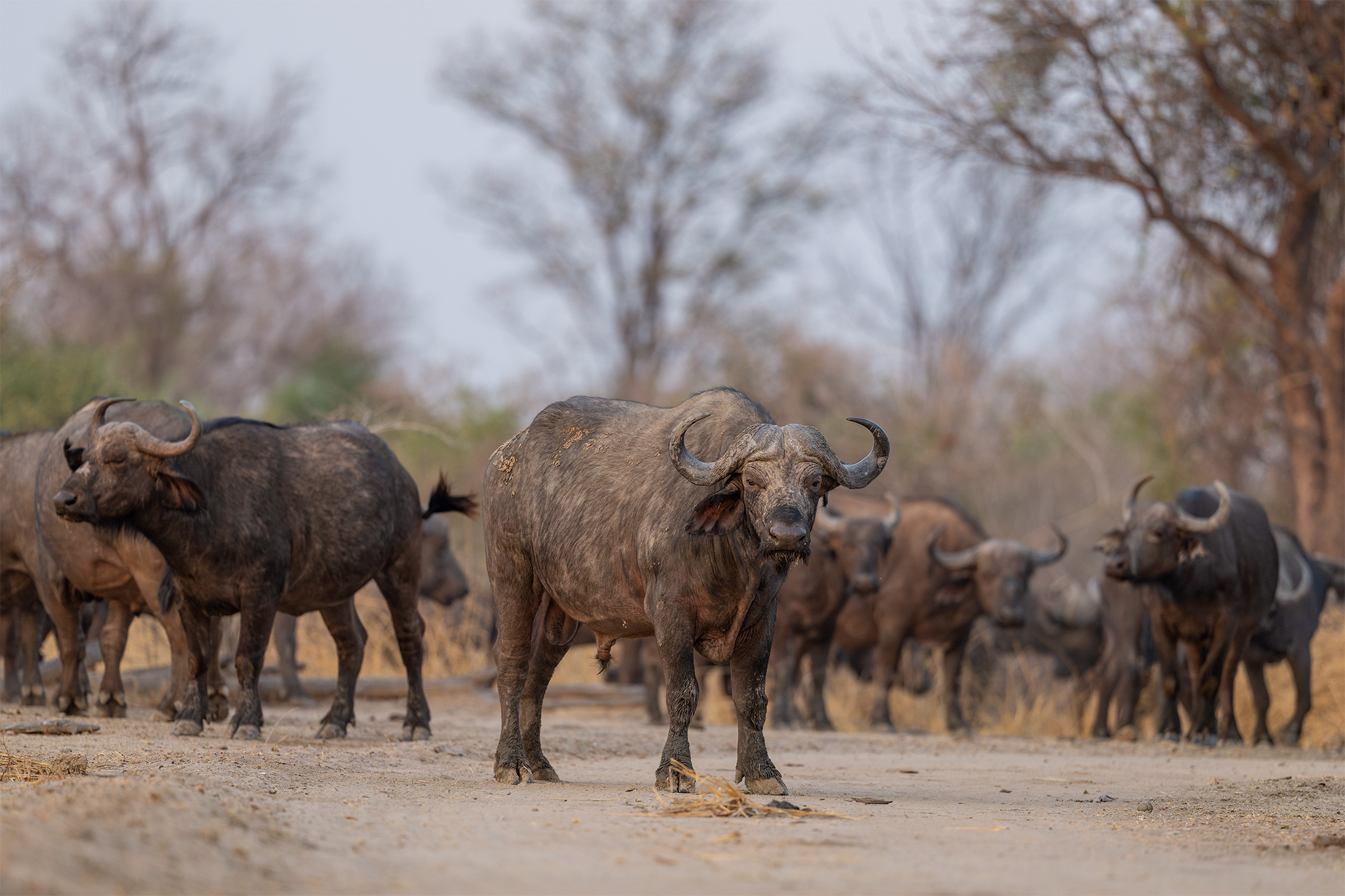
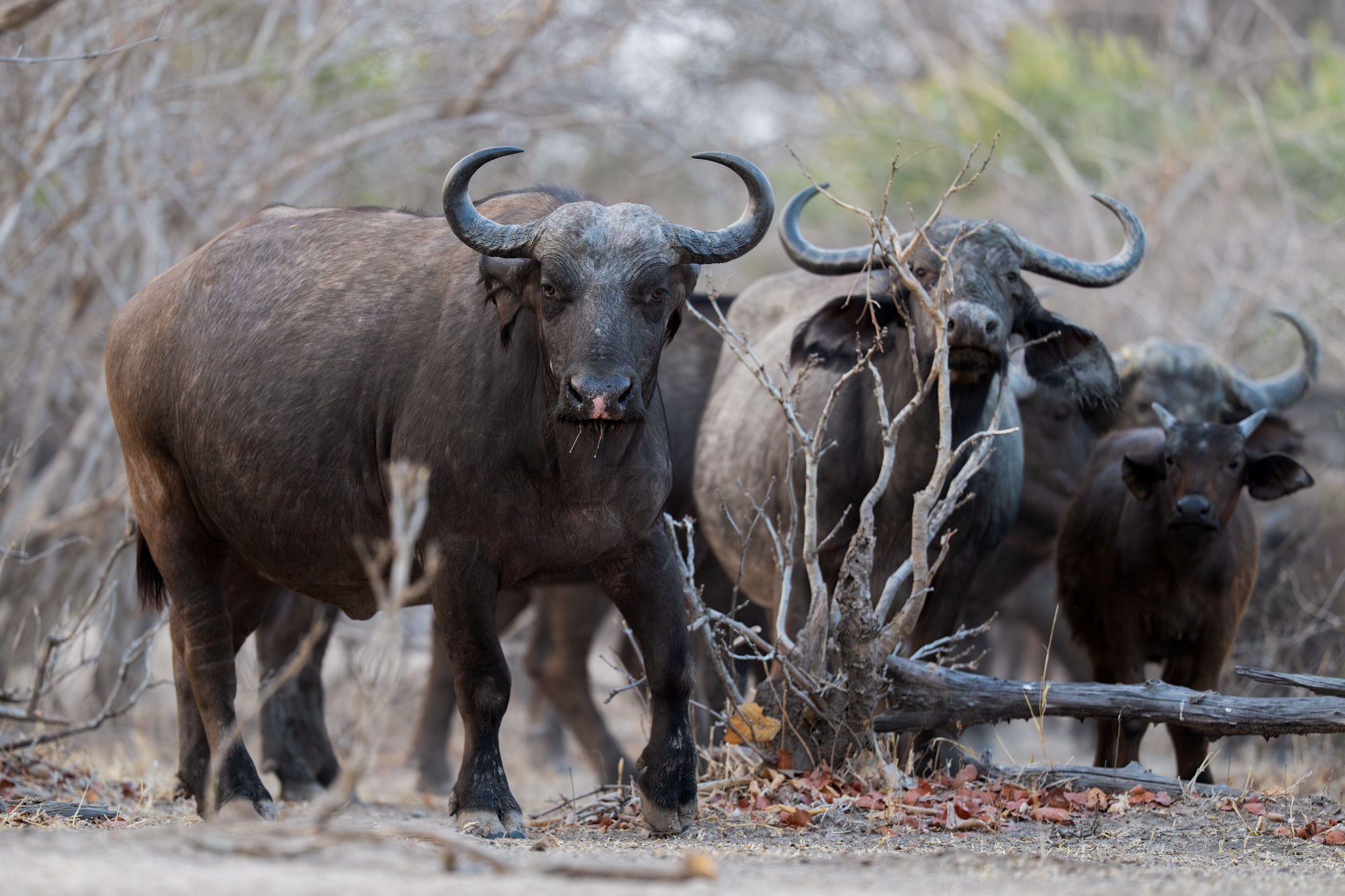
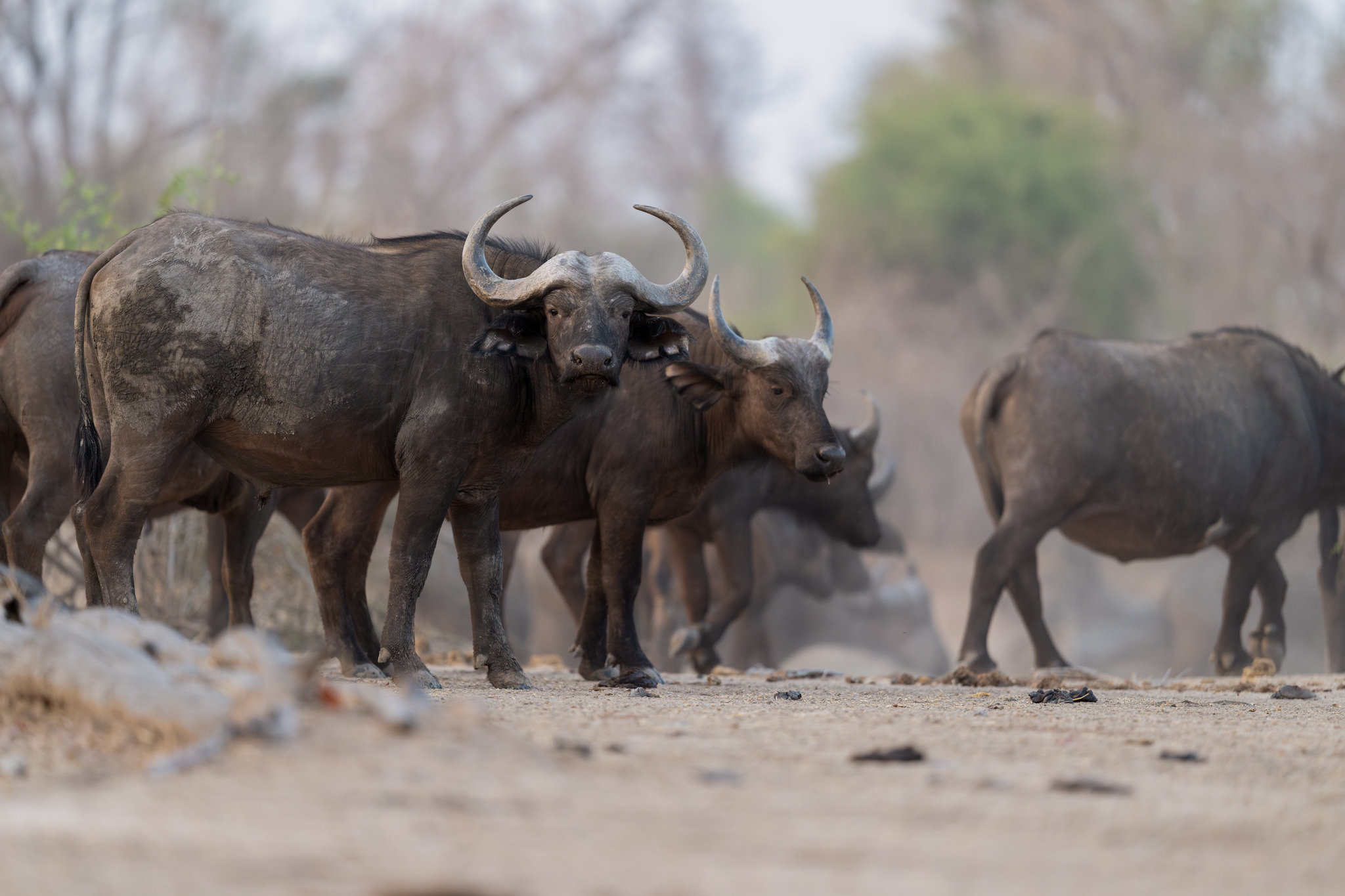
African Buffalo

  • They congregate in massive herds—sometimes numbering in the hundreds—during the dry season to protect themselves from lion prides.
  • The buffalo in Luangwa are often covered in mud to protect their skin from the harsh sun and ticks, giving them a rugged, textured look in photos.
  • Old, solitary males, known as „Dagga Boys,” are frequently seen alone; they have left the herd and are considered among the most dangerous animals in the bush.
  • Their horns are fused at the base, forming a continuous bone shield called a „boss,” which can stop a bullet (or a lion strike).

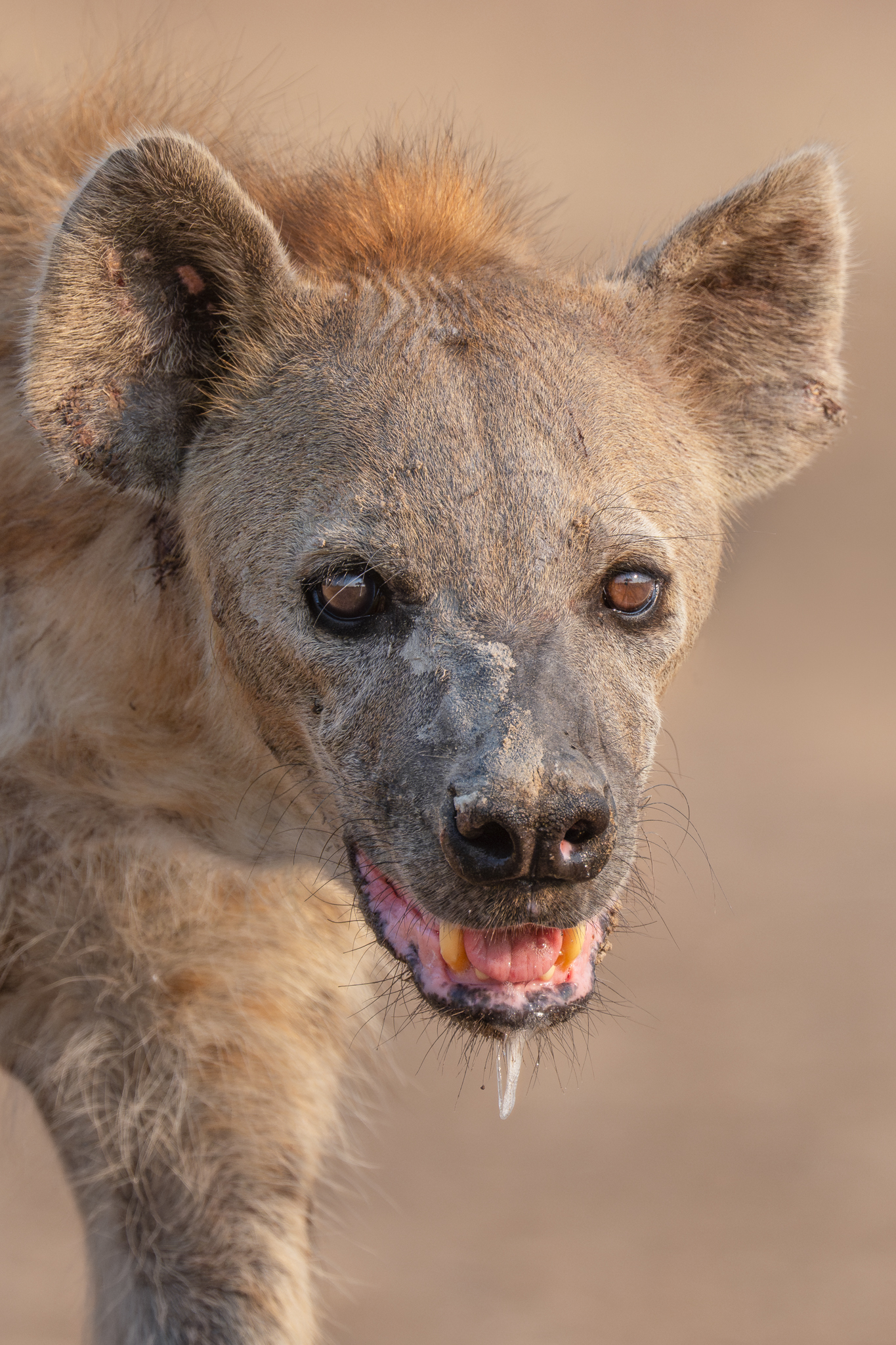
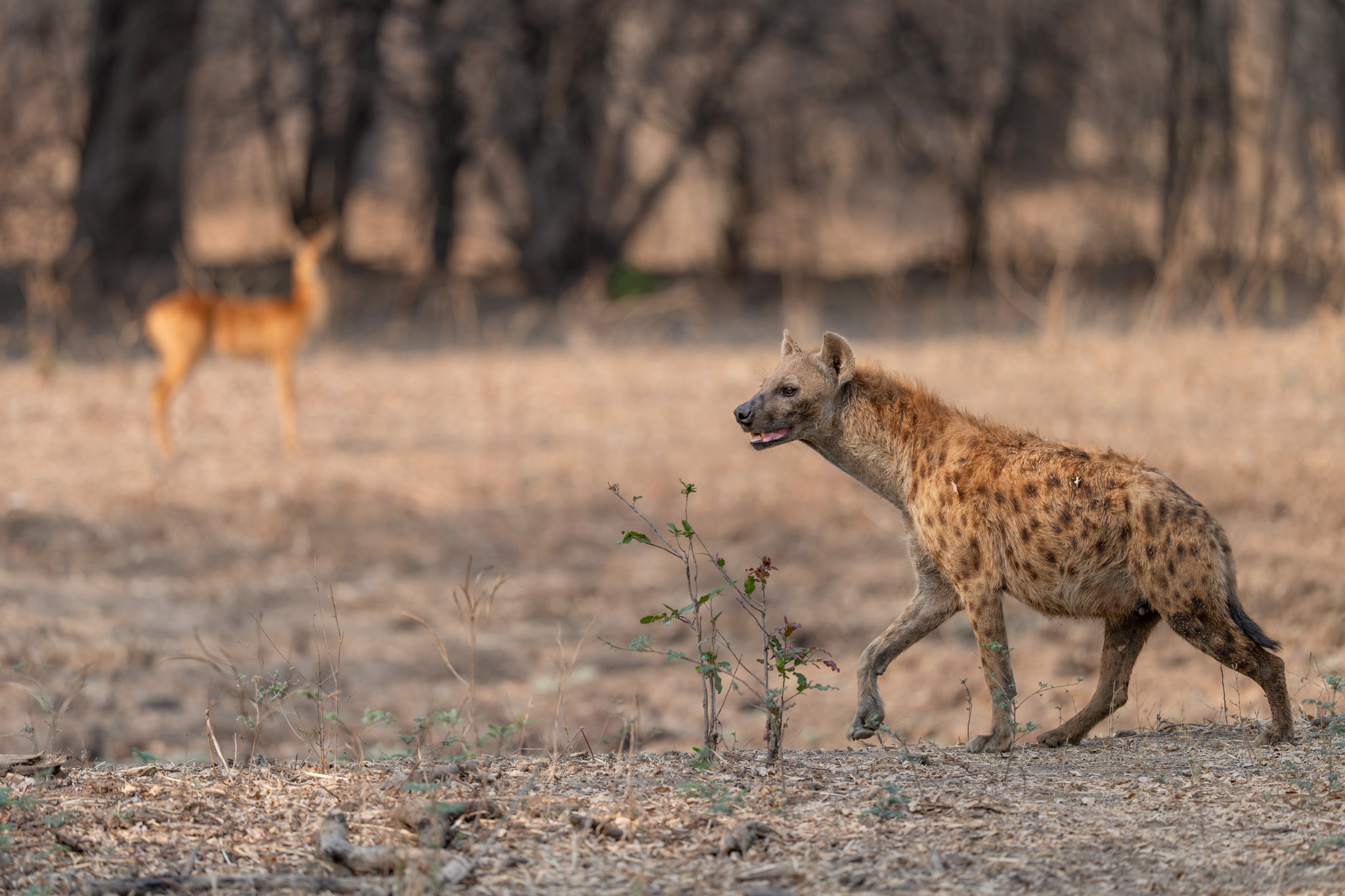
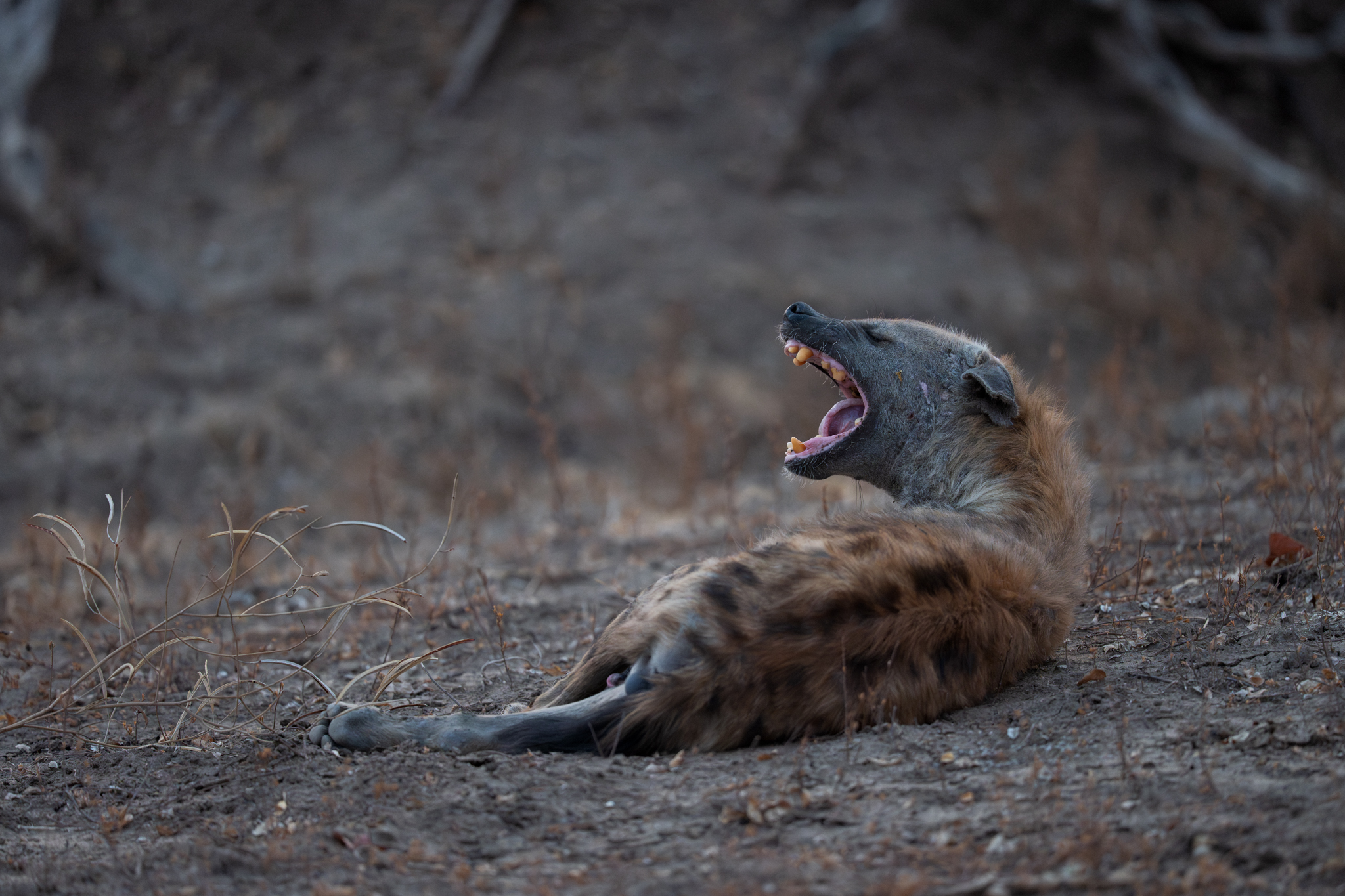
Spotted Hyena

  • While hyenas in Kenya and Tanzania are often active hunters, the clans of South Luangwa are master thieves, constantly lurking for a chance to rob leopards and lions of their hard-won meals.
  • They have one of the strongest bite forces in the animal kingdom, capable of crushing buffalo bones to extract nutritious marrow.
  • We had a close encounter right at the park gateway, proving that these intelligent animals are not afraid of human infrastructure.
  • Their eerie „whooping” calls are the soundtrack of the Zambian night, used to communicate over kilometers of dense bush.

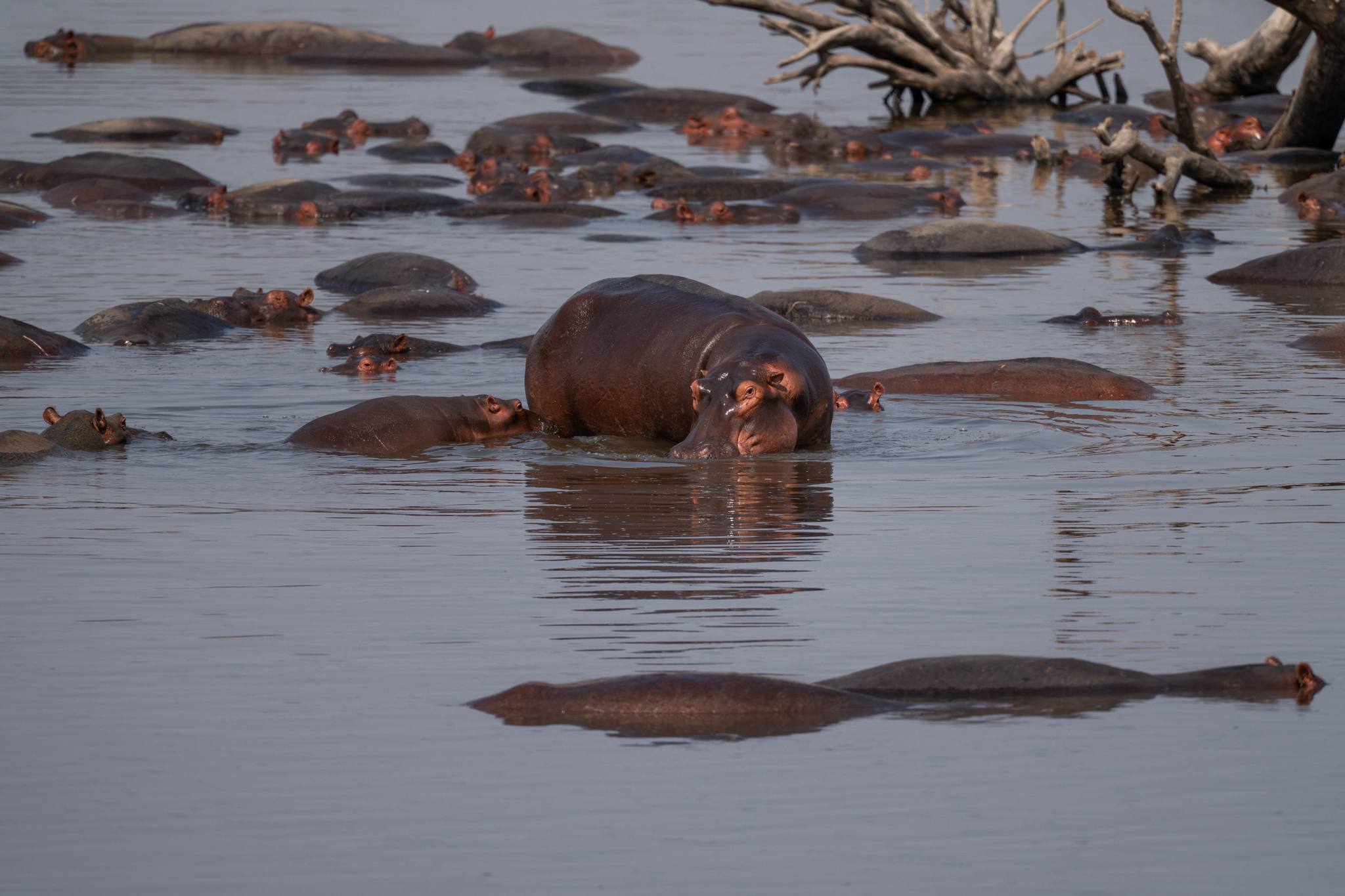
Hippo

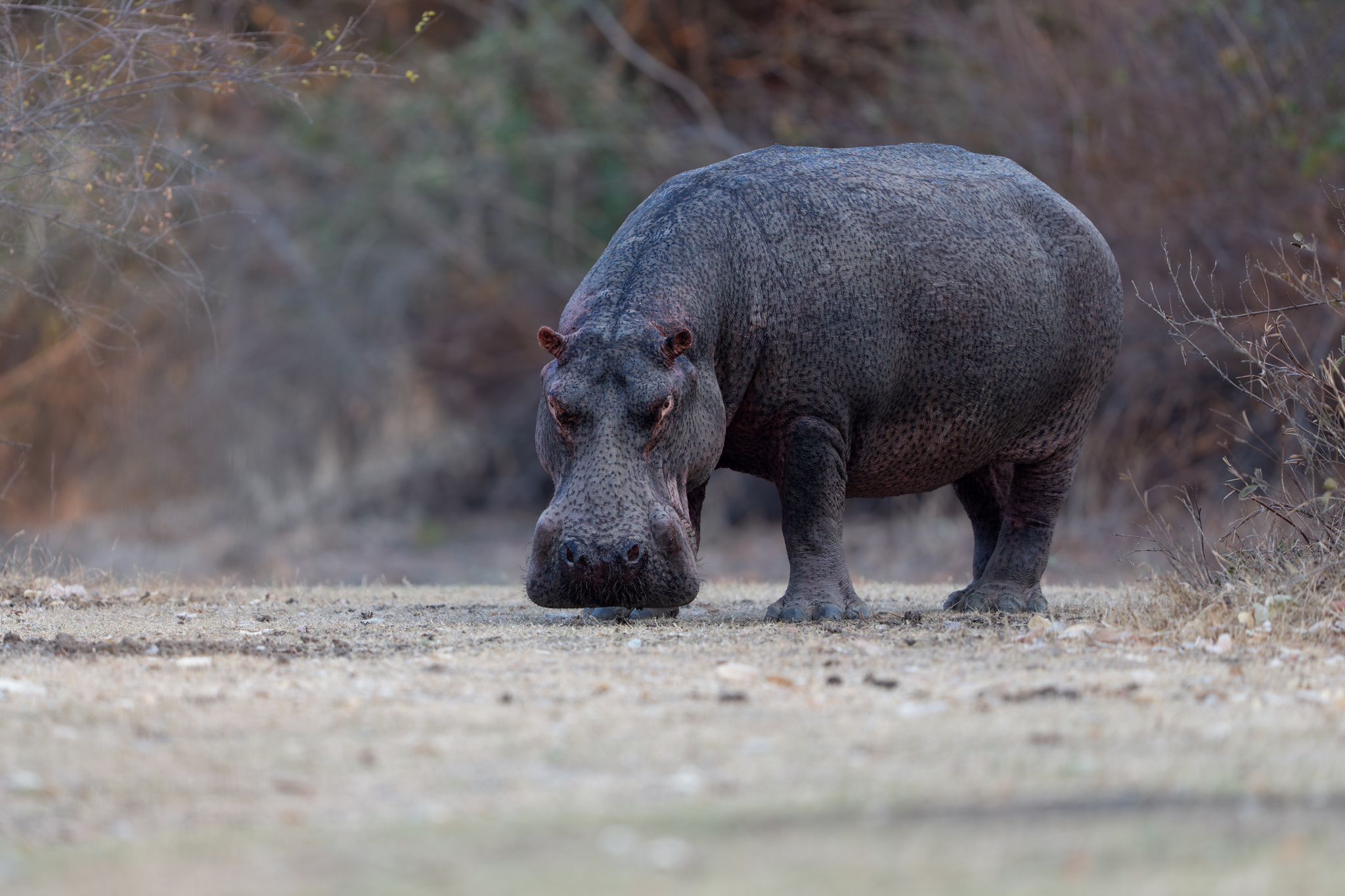
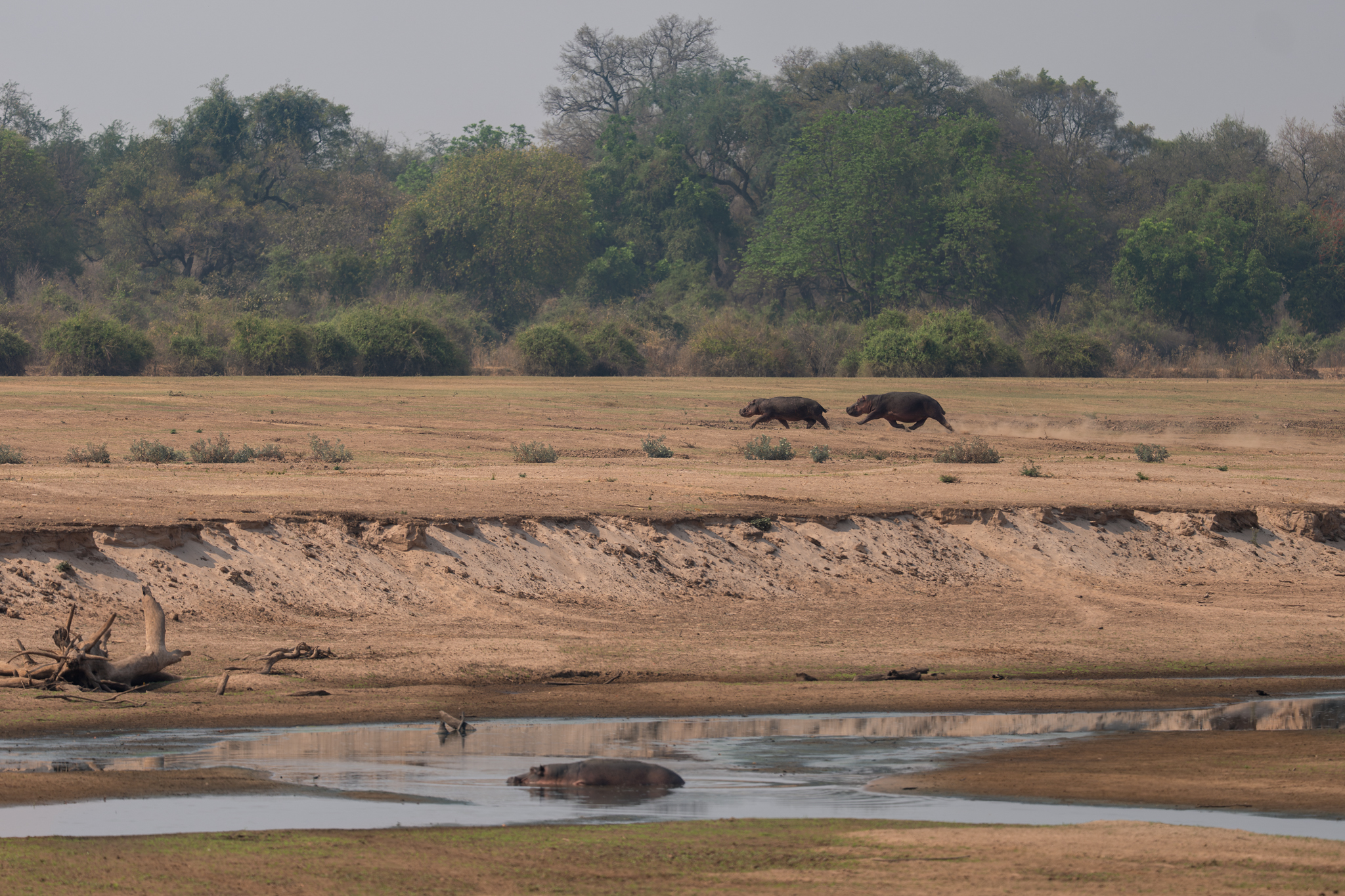
  • The Luangwa River has the highest density of hippos in the world, with up to 60 hippos per kilometre of river.
  • During the dry season, as the water shrinks, they are forced into „hippo pods” in close quarters, leading to frequent, dramatic territorial fights.
  • Despite their bulk, they are responsible for creating the deep channels in the river lagoons that keep water flowing during the drought.
  • They leave the water at night to graze, consuming up to 40kg of grass, and their „hippo highways” create clear paths through the bush for other animals.

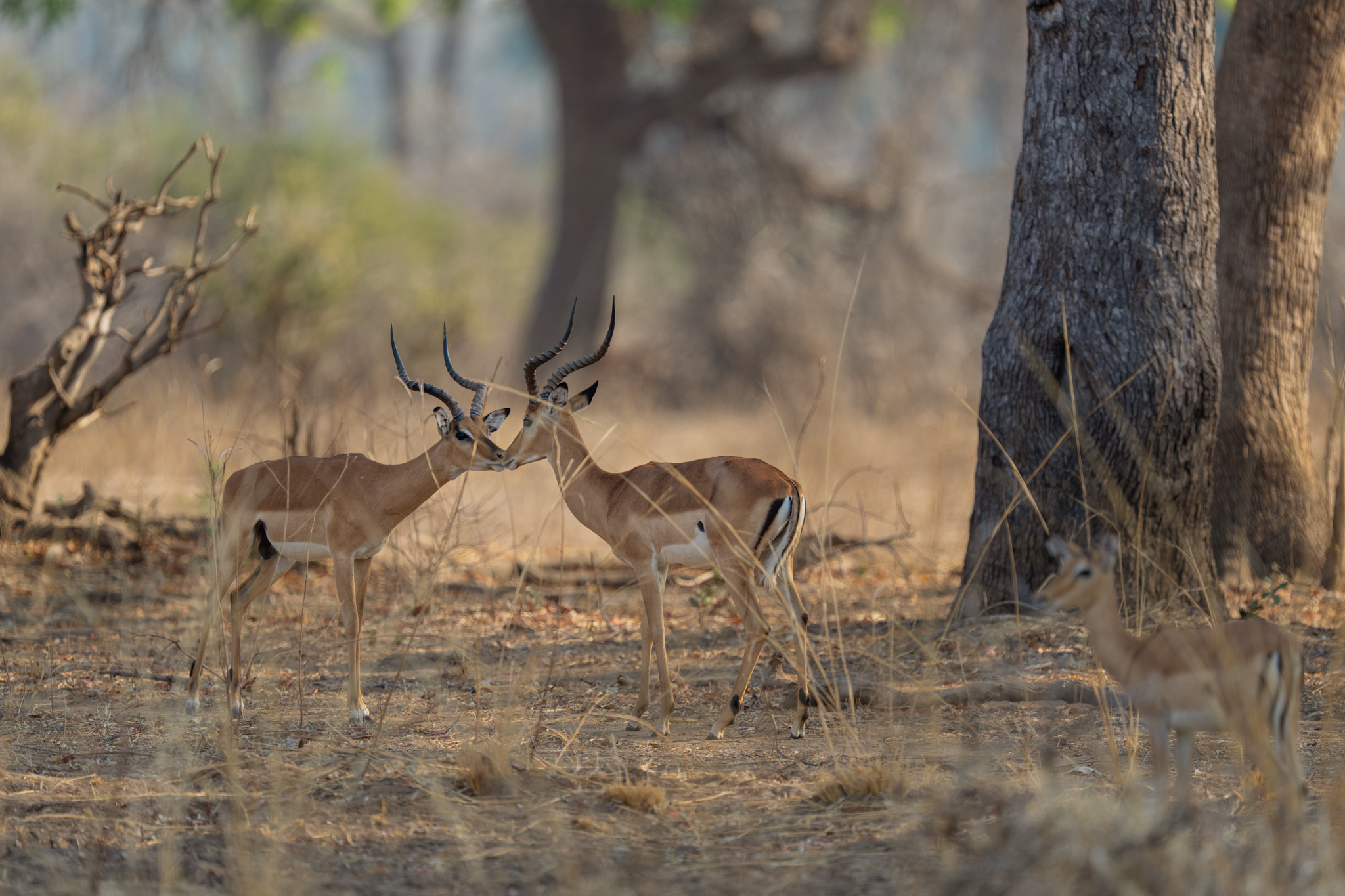
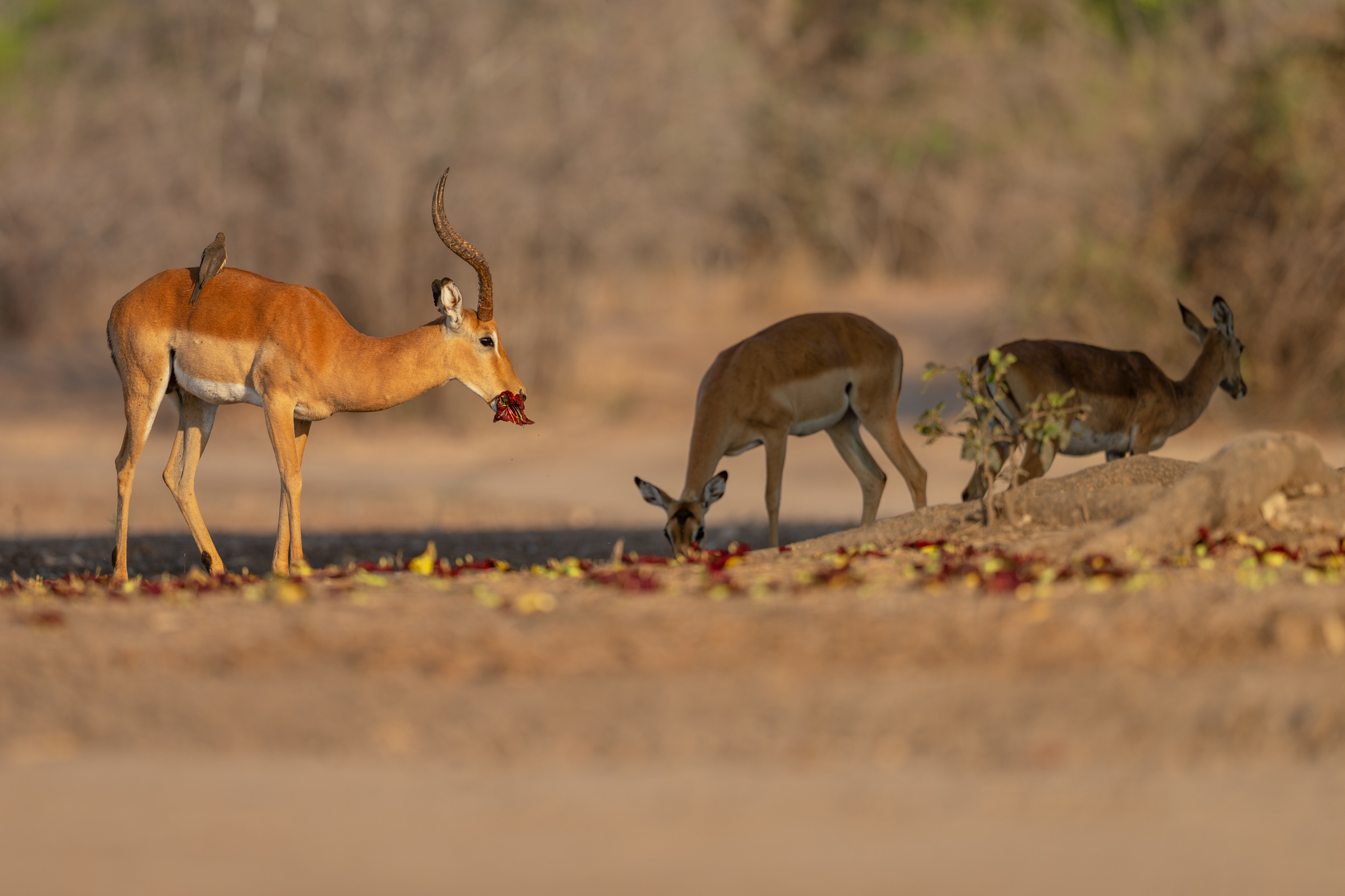
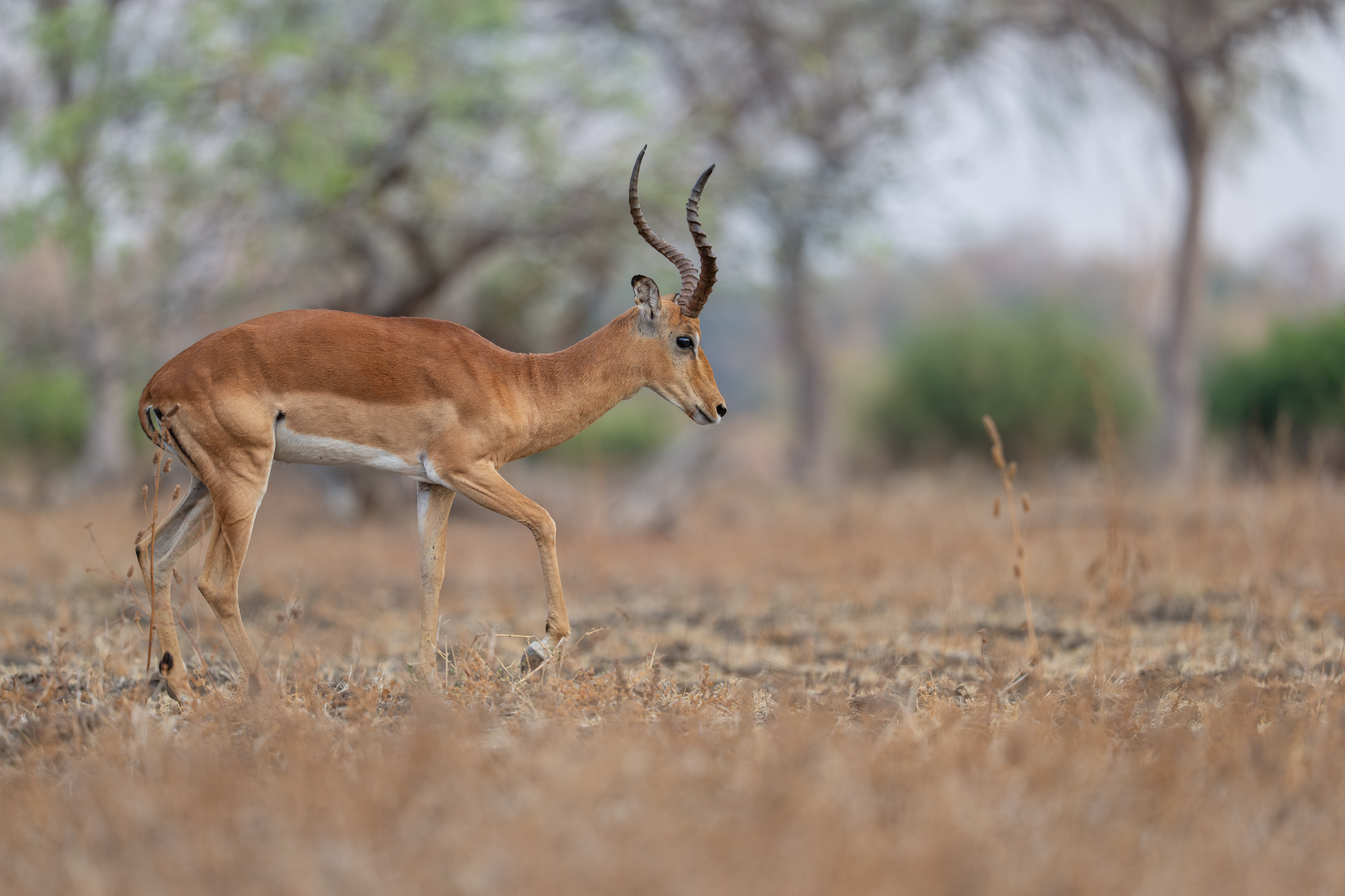
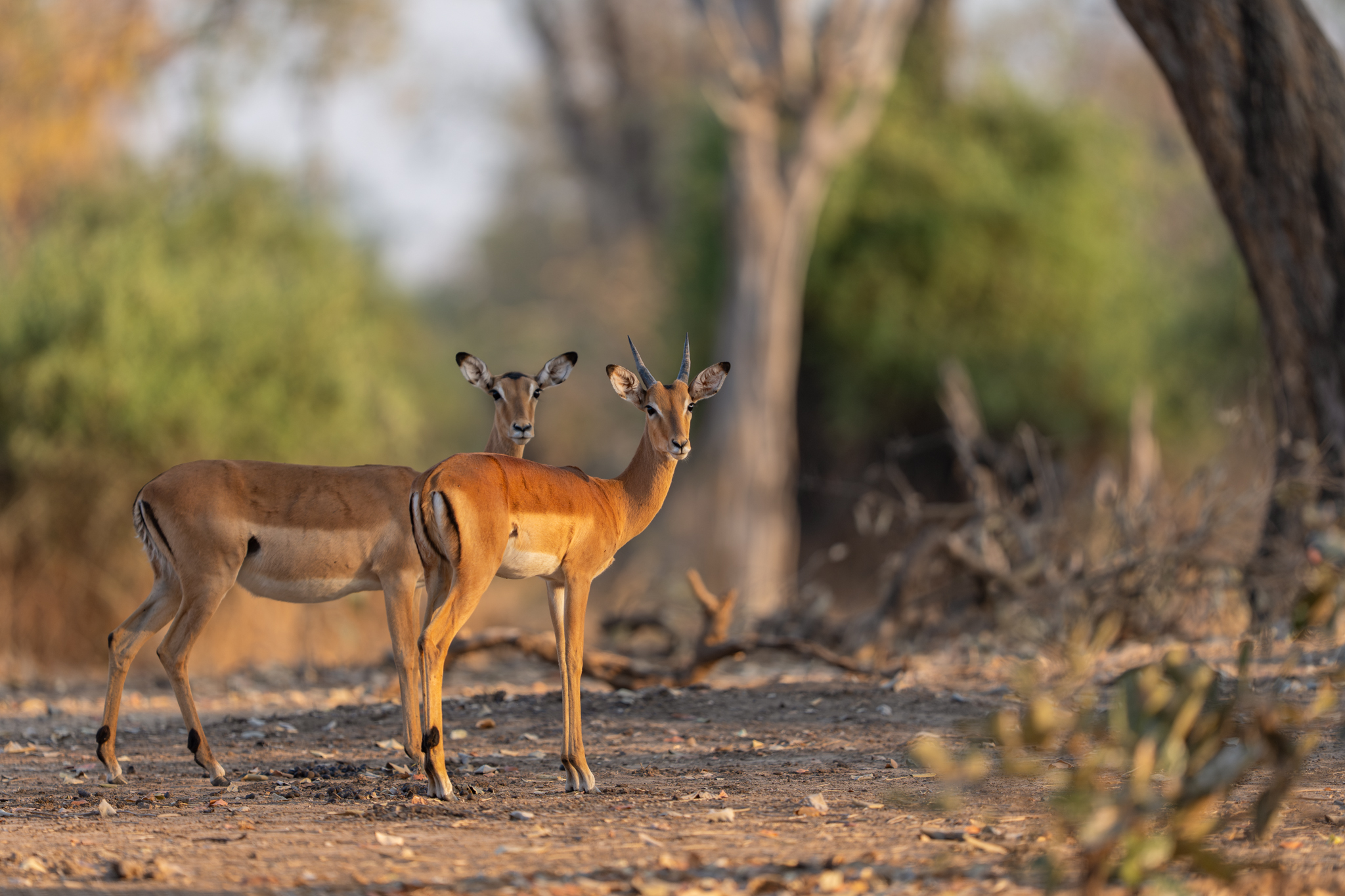
Impala

  • These are the most common antelope in the park and the primary food source for leopards and wild dogs. The carpet of Sausage tree flowers attracts foraging impalas, which is exactly why leopards lie in wait on the branches above, ready to drop down on their prey.
  • Only the males have horns, which are lyre-shaped and used for fighting during the rutting season (which coincides with the end of the rainy season).
  • They have a black „M” marking on their rear, which some guides joke stands for „McDonalds” because they are fast food for predators.
  • When threatened, they perform a behavior called „pronking”—leaping high into the air to show predators they are fit and difficult to catch.

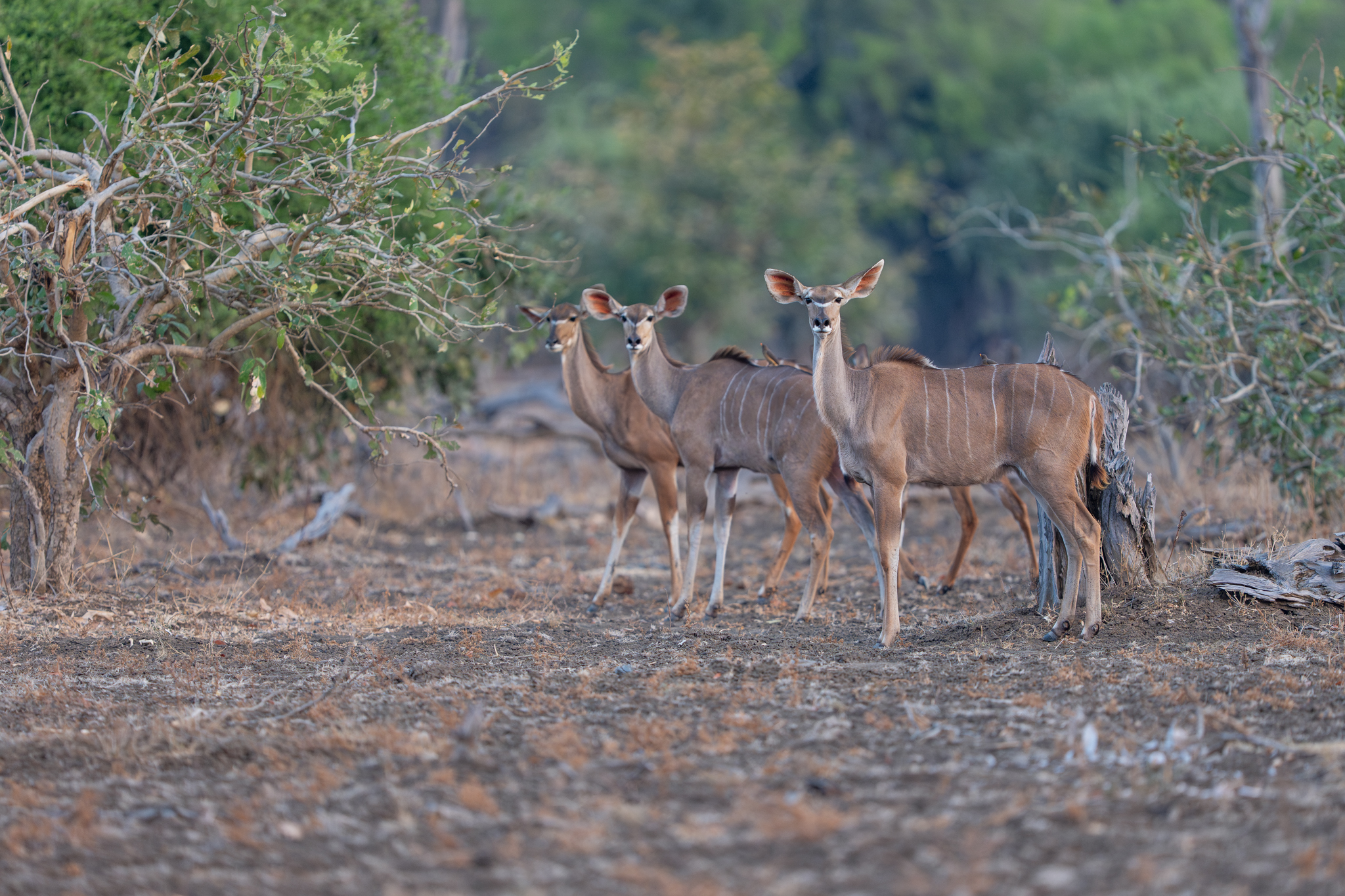
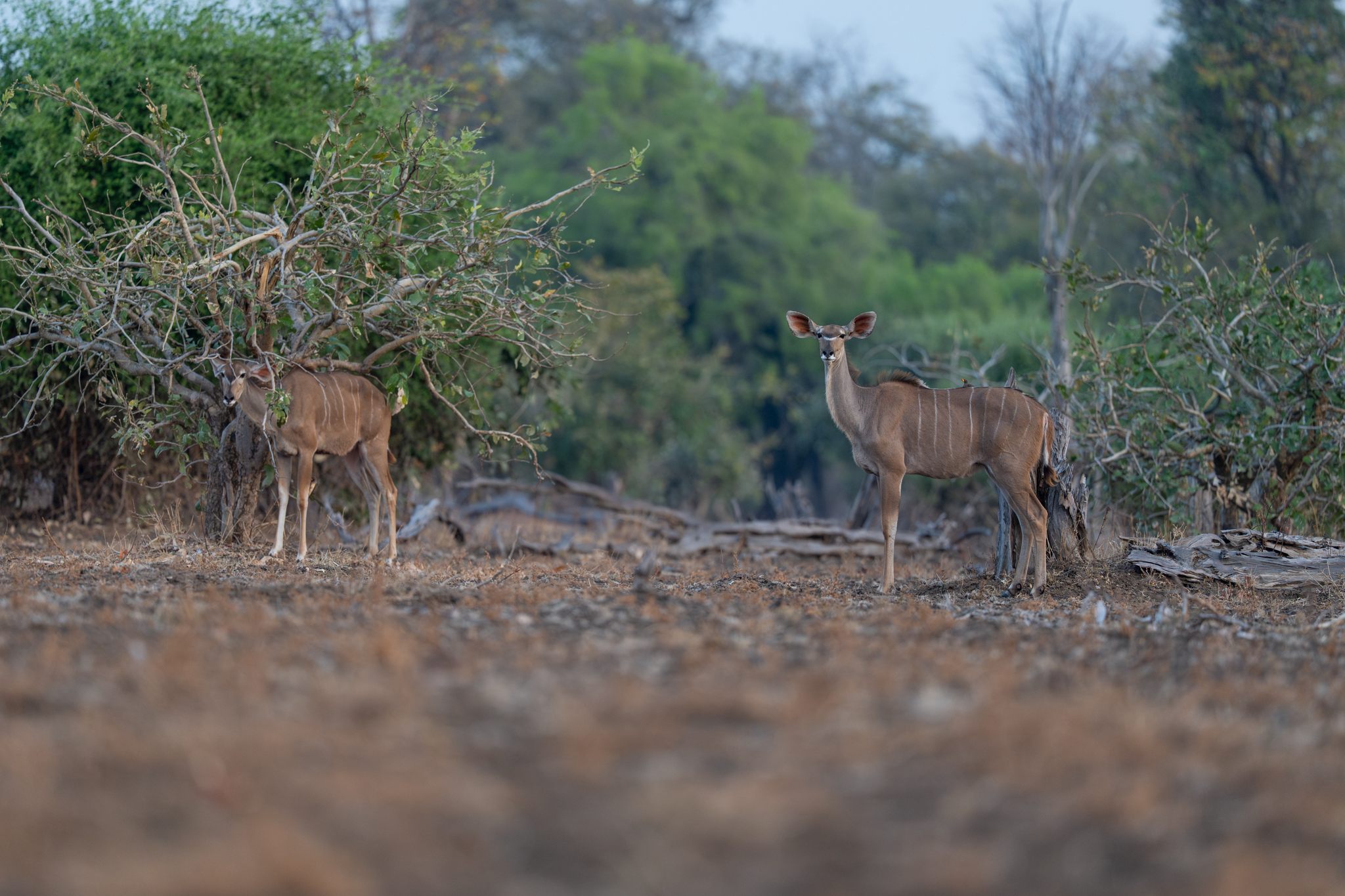
Kudu

  • Known as the „Grey Ghost of Africa,” they are incredibly shy and use their grey, striped coats to vanish into the thick mopane woodland.
  • The males have magnificent spiral horns that can reach 1.8 meters in length, making them a prized sighting for photographers.
  • They have massive, radar-like ears that allow them to hear predators from a great distance in the dense bush.
  • Kudus are browsers, not grazers, meaning they eat leaves and shoots; in the dry season, they are often seen standing on their hind legs to reach high branches.

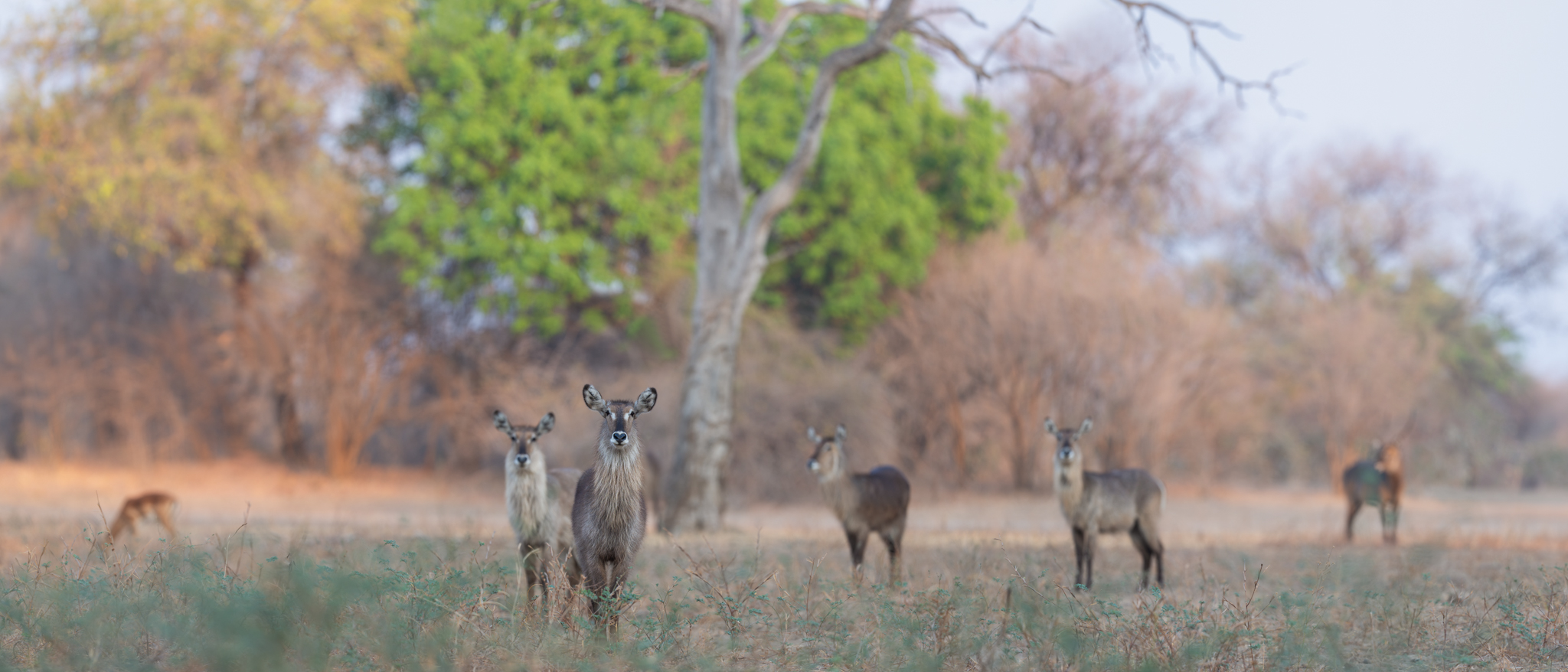
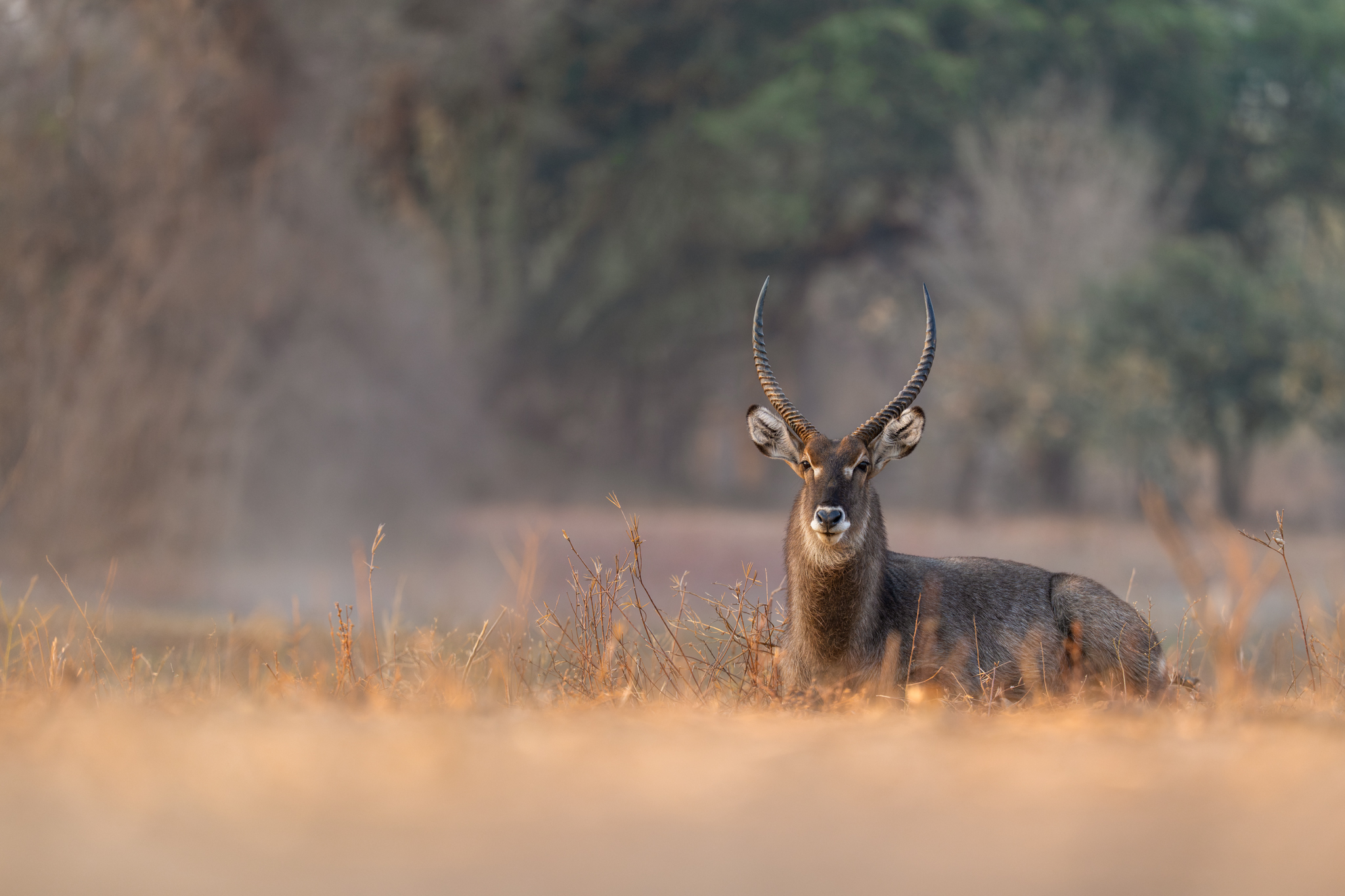
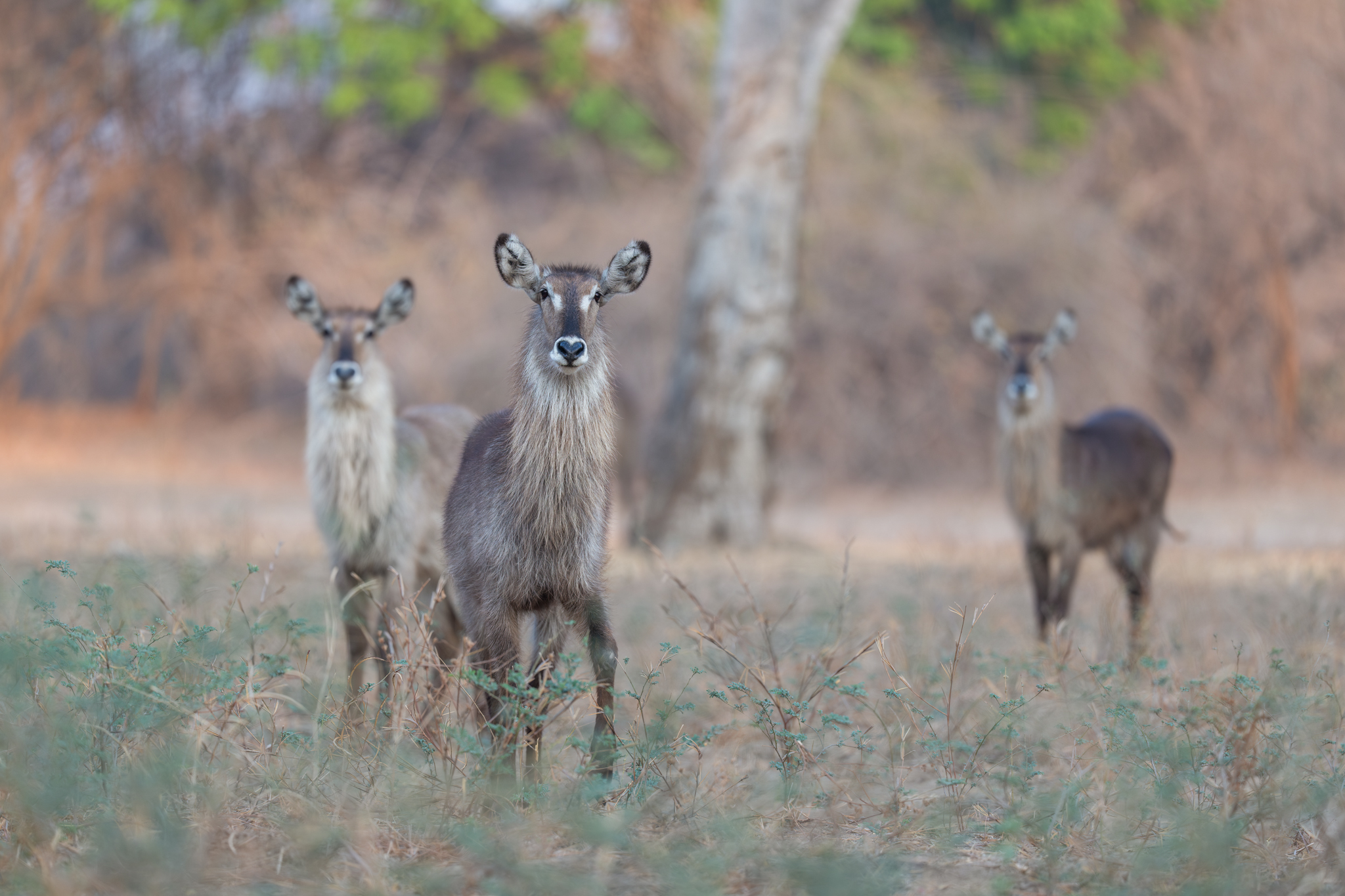
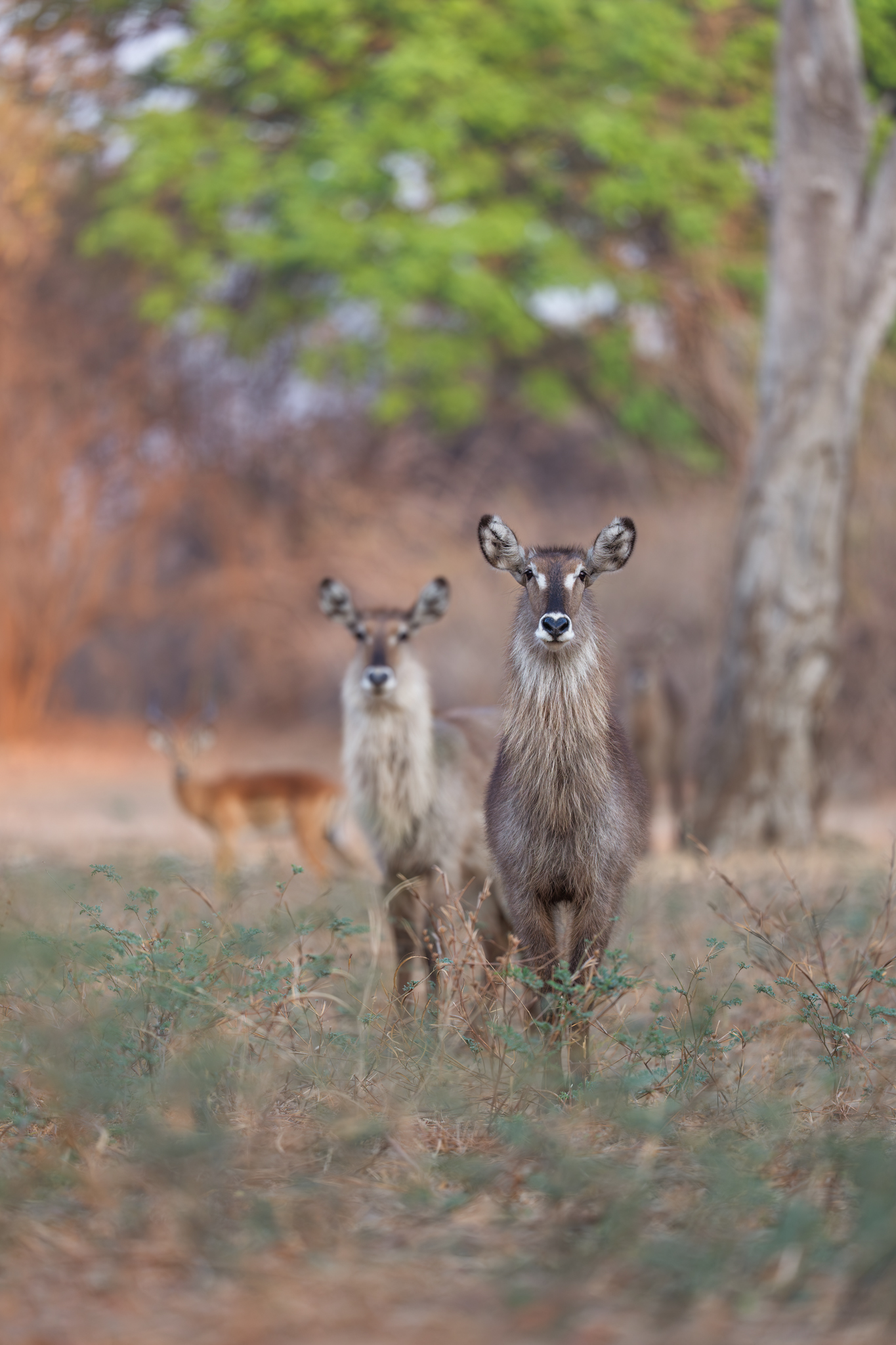
Waterbuck

  • Identifiable by the distinct white ring on their rump, which looks like a target; folklore says it was left by fresh paint from a toilet seat!
  • They secrete a smelly, oily substance from their skin that waterproofs them but also makes their meat taste terrible, so predators often avoid them.
  • As their name suggests, they are water-dependent and rarely venture far from the river, making them a staple sighting on the riverbank drives.
  • Unlike impalas, waterbuck do not run fast; they prefer to run into the water to escape predators, as they are strong swimmers.

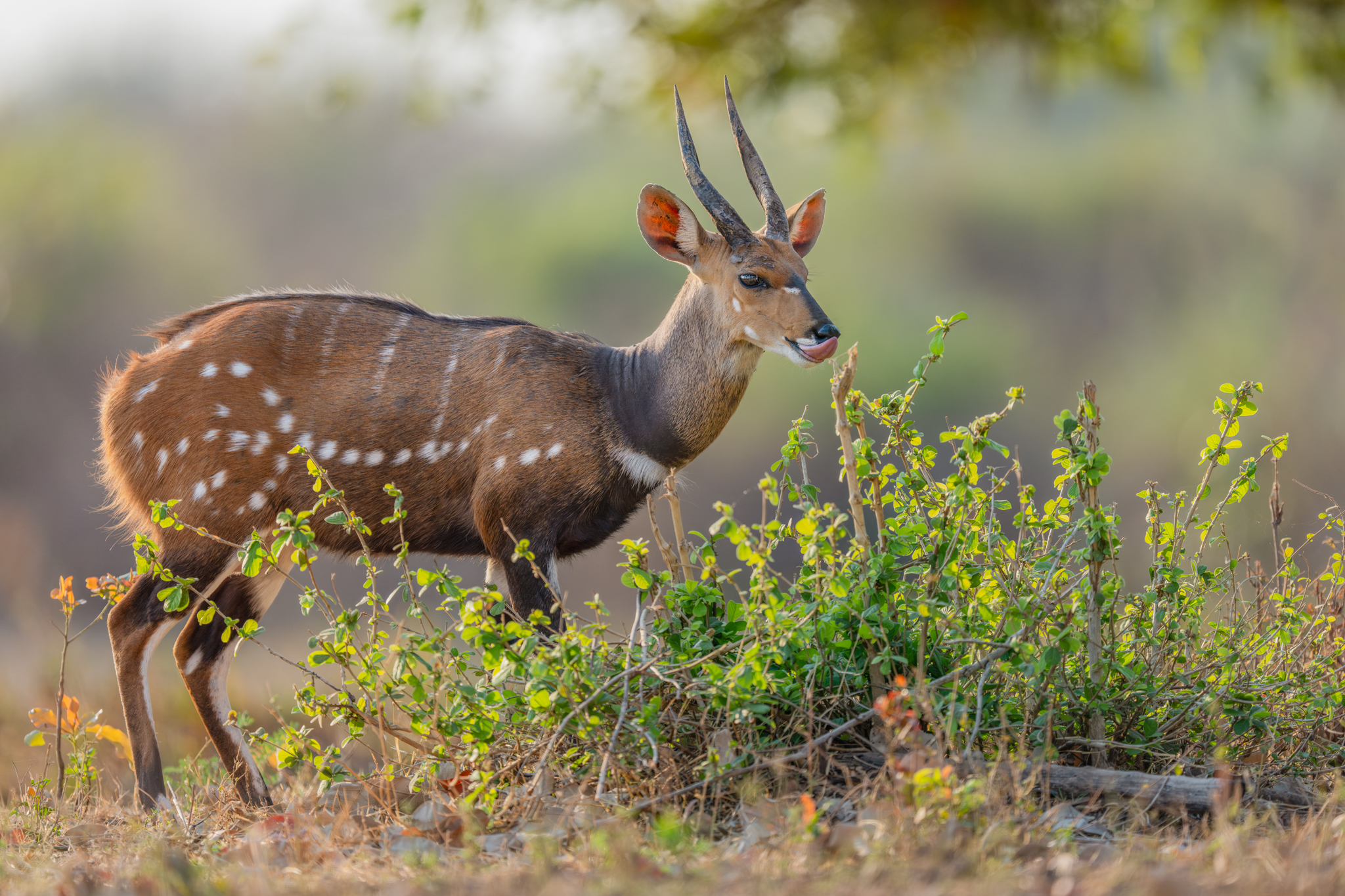
Bushbuck

  • These are solitary antelopes that stick to the deep shade of the riverine vegetation, making them challenging to photograph.
  • They are the only antelope in the region that will lie down and freeze to avoid detection rather than running away immediately.
  • Males have short, sharp horns and can be very aggressive if cornered, even fighting off leopards.
  • Their coat is marked with white spots and stripes, mimicking the dappled sunlight filtering through the trees.

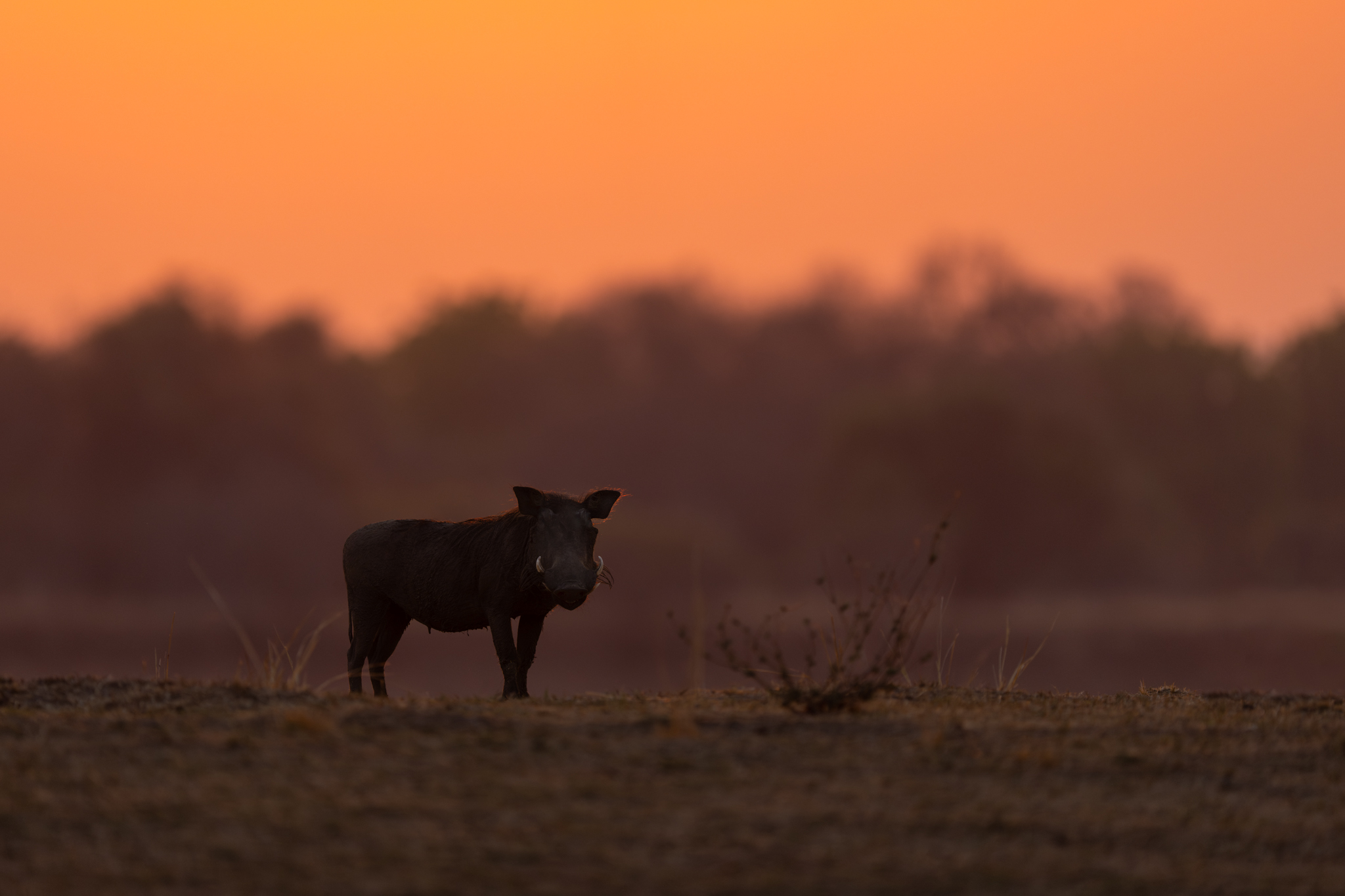
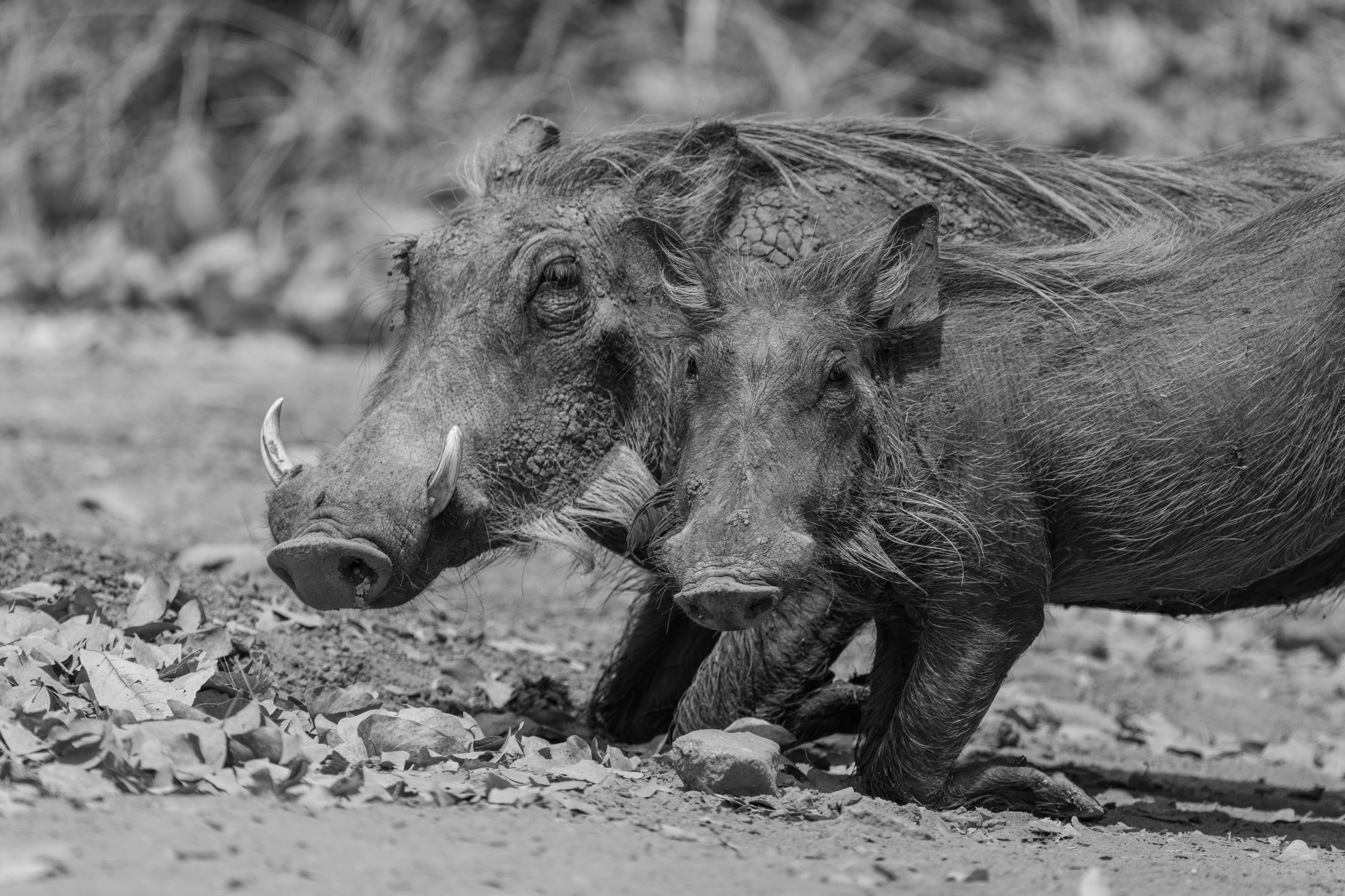
Warthog

  • These charismatic pigs live in abandoned aardvark holes, backing in rear-first so their tusks face the entrance for defense.
  • They run with their tails held straight up like radio antennas, a visual signal that helps piglets follow their mothers in tall grass.
  • Warthogs have „calluses” on their knees because they often kneel down to graze on short grass during the dry season.
  • They are surprisingly fast, capable of reaching speeds of 48 km/h to outrun lions and leopards.

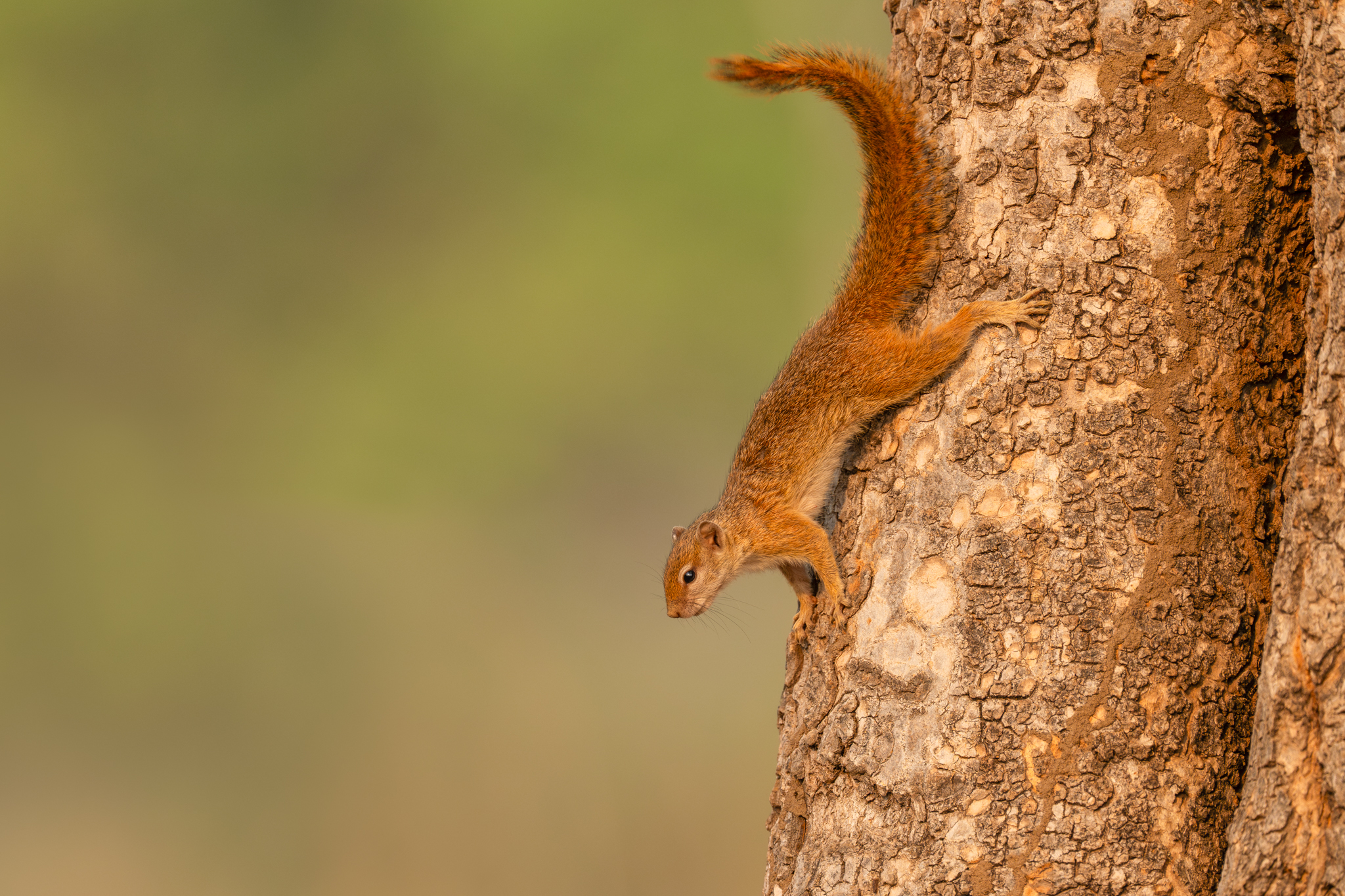
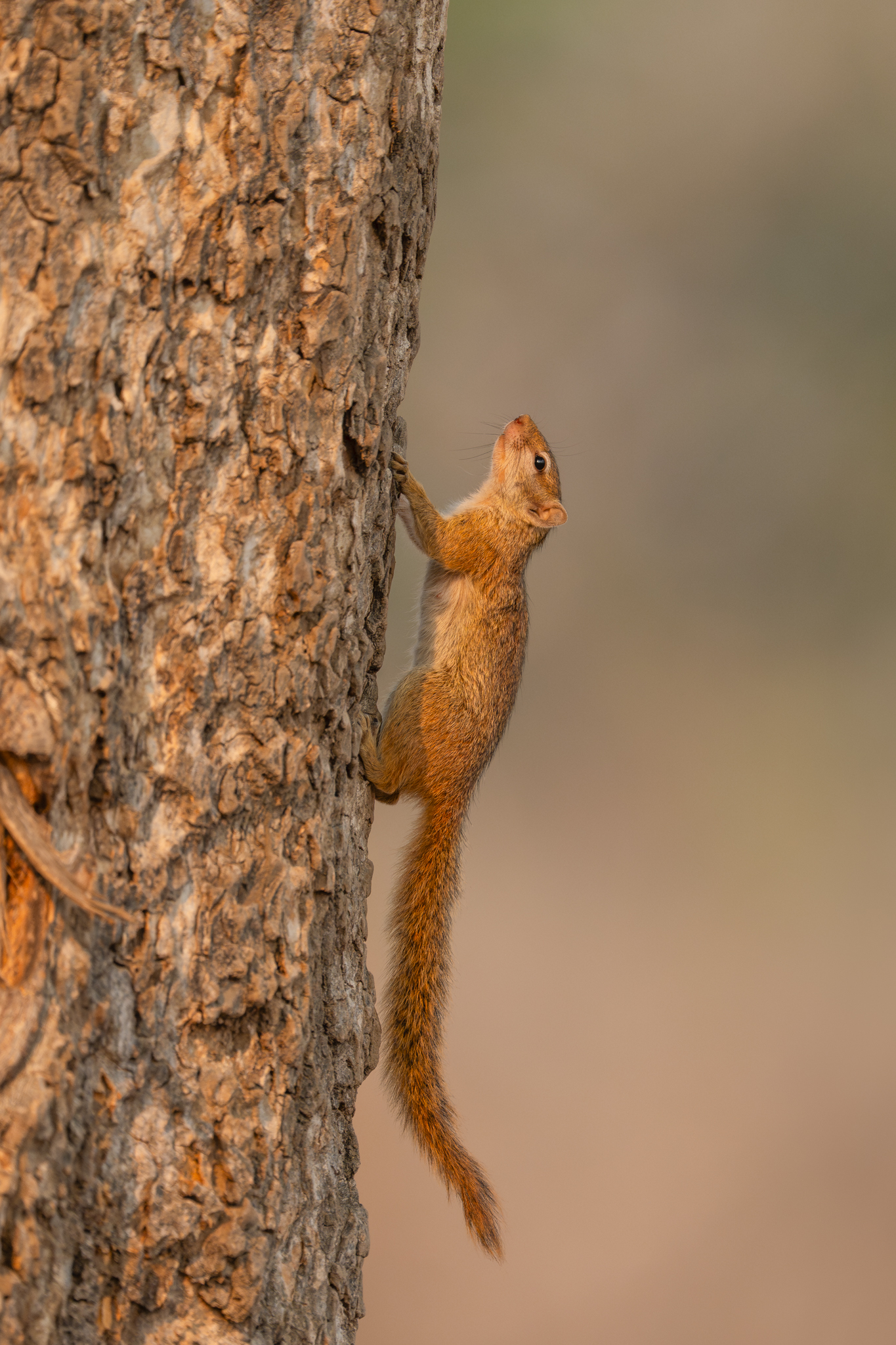
Yellow-footed Squirrel

  • This is a „bush squirrel” commonly found in the woodlands of Zambia, often seen foraging in the trees near camps.
  • They are highly vocal and their alarm calls are often the first warning that a snake or raptor is nearby.
  • Unlike ground squirrels, they are arboreal and use their long tails for balance as they jump between acacia branches.
  • They play a vital role in the ecosystem by dispersing seeds and pollinating certain flowering trees as they forage.

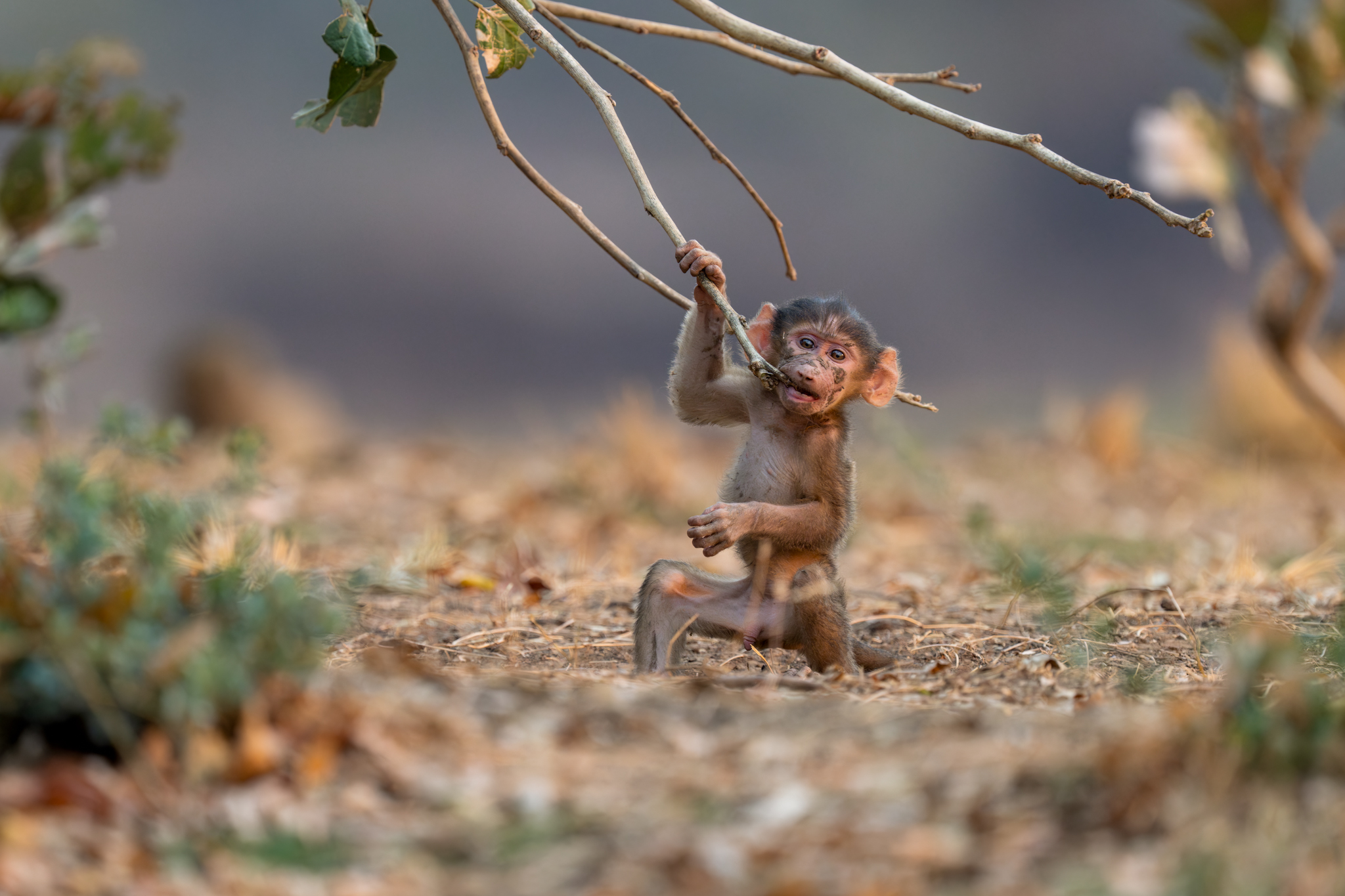
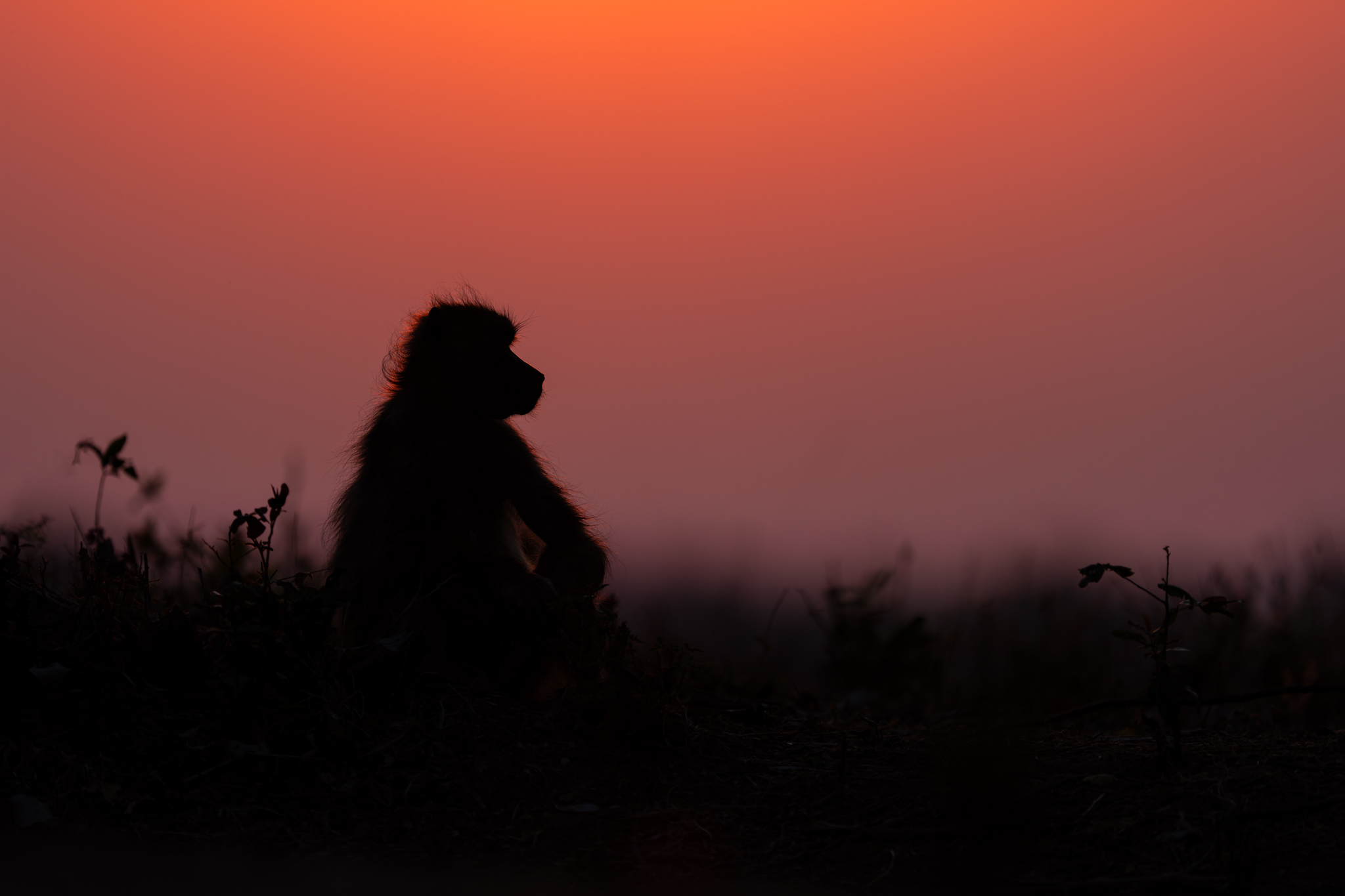
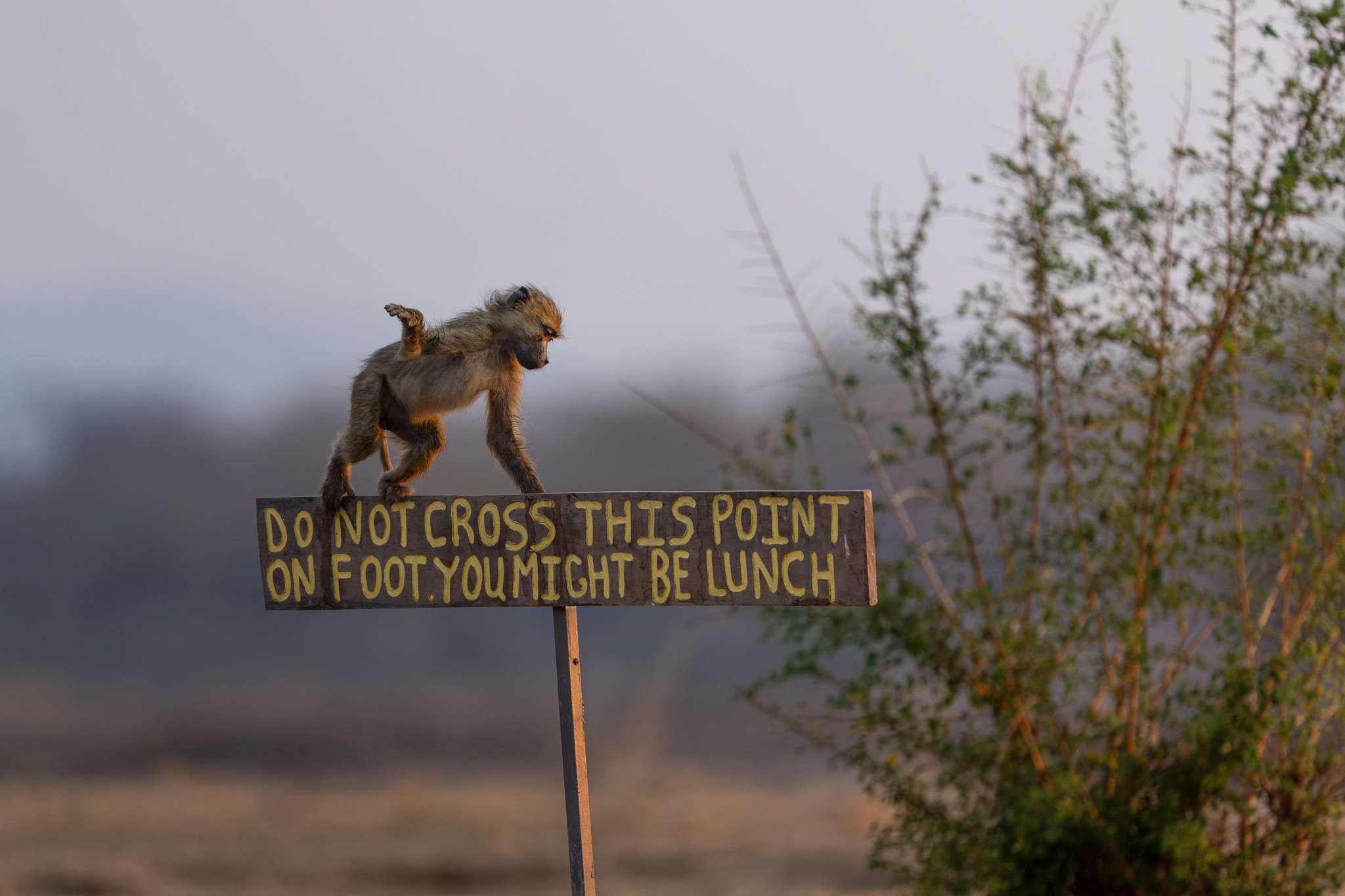
Baboon (Yellow Baboon)

  • South Luangwa is home to the Yellow Baboon, which is lighter and more slender than the darker Chacma baboon found further south.
  • They are highly social and organized; you will often see „sentry” baboons sitting in high trees scanning for leopards.
  • Baby baboons cling to their mother’s stomach for the first month before riding jockey-style on her back.
  • They are omnivores and opportunistic feeders; we saw them eating everything from grass roots and scorpion to insects.

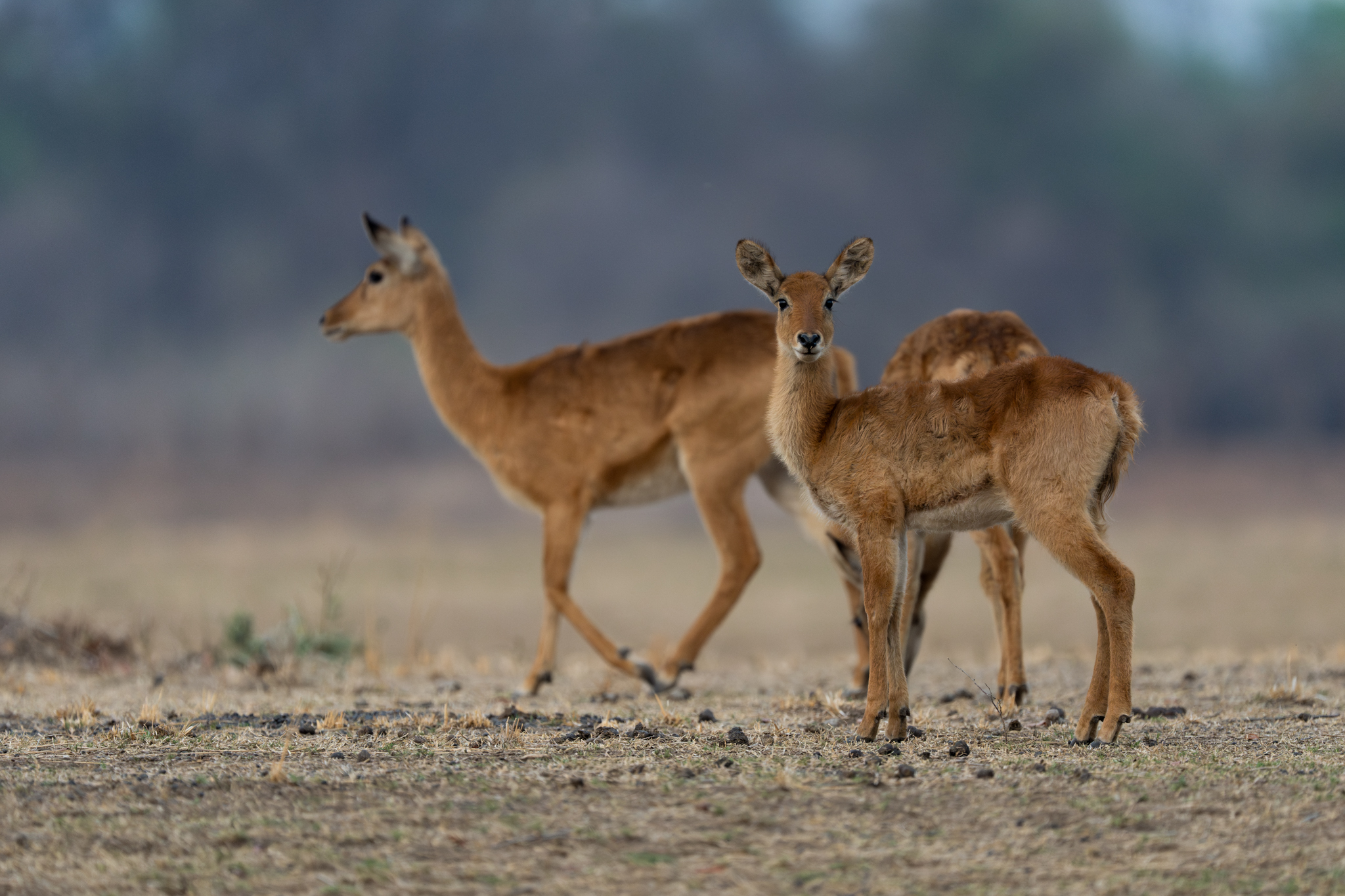
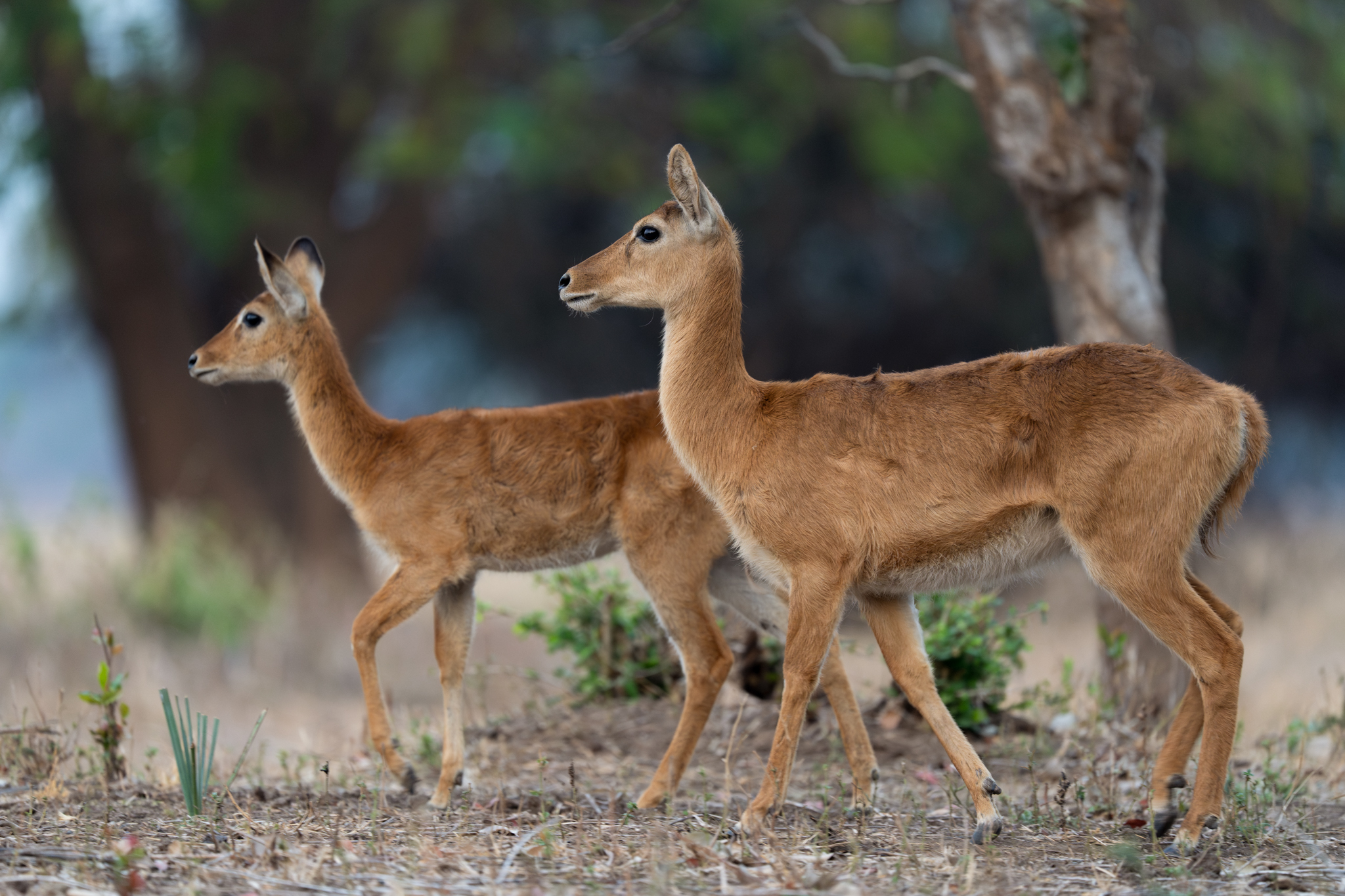
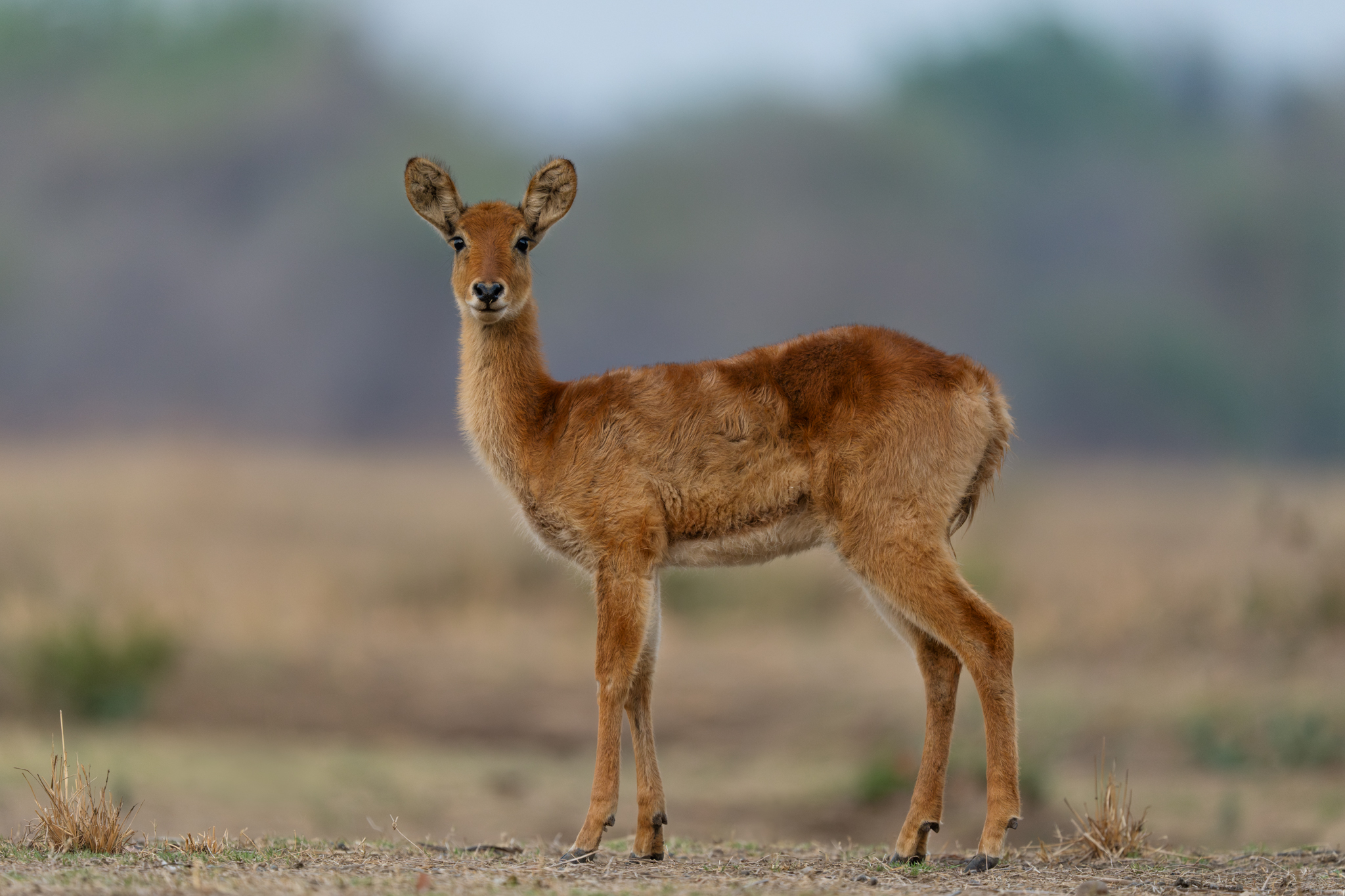
Puku

  • South Luangwa is considered the global stronghold for the Puku, hosting the largest and most concentrated population of this „Near Threatened” antelope in Africa.
  • Unlike in most other Southern African parks where they are rare or absent, Puku here are omnipresent and serve as the „signature” antelope of the valley, replacing the Impala as the dominant grazer along the river.
  • They utilize a distinct survival strategy of fleeing into marshy wetlands (dambos) when threatened, as their hooves are specially adapted to traverse soft mud that would trap a chasing lion or leopard.
  • While frequently confused with Impala, they are easily distinguished by their shaggy, heavy golden-orange coats and their tendency to emit a piercing whistle rather than a snort when alarmed.

Birds

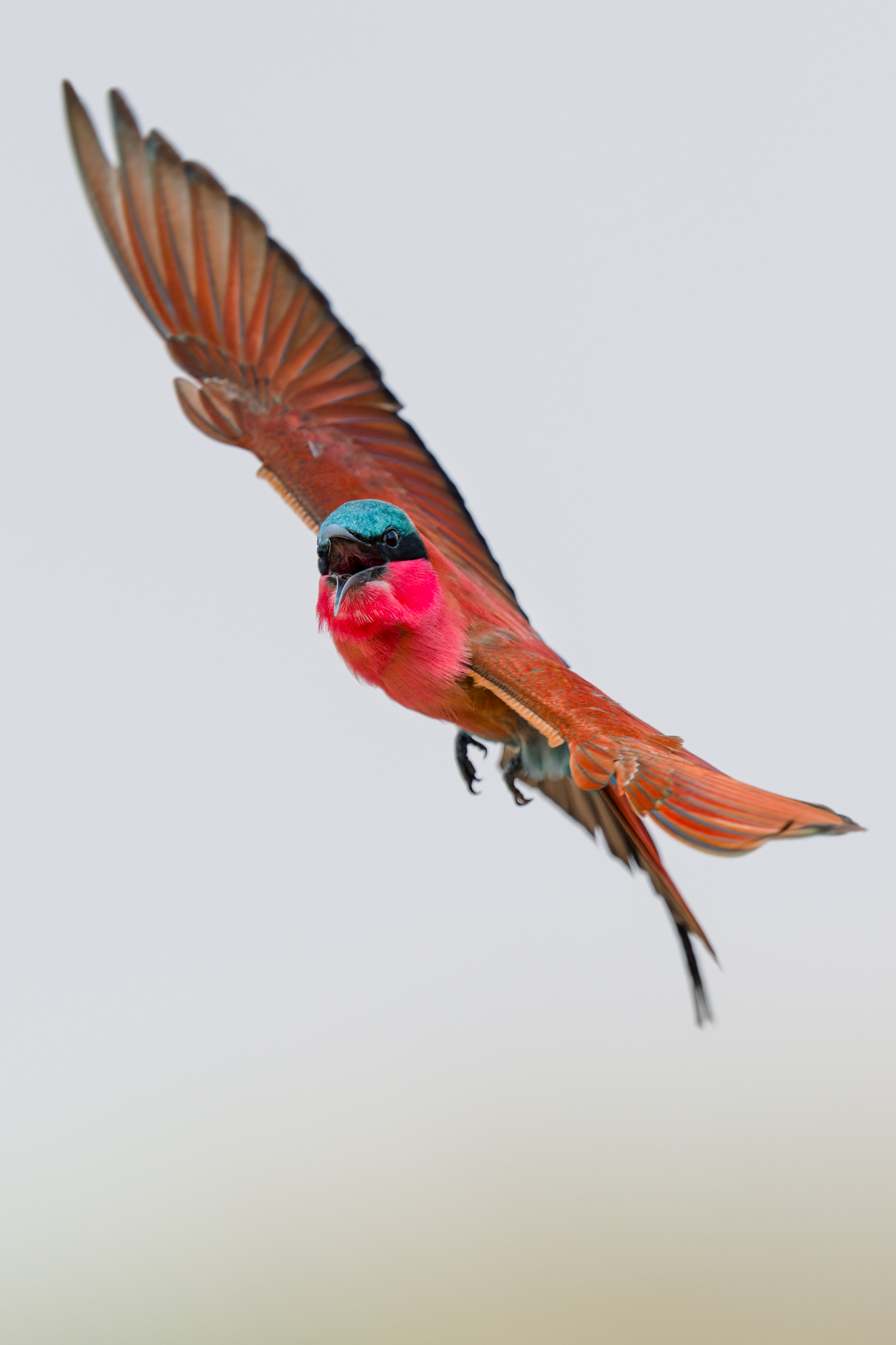
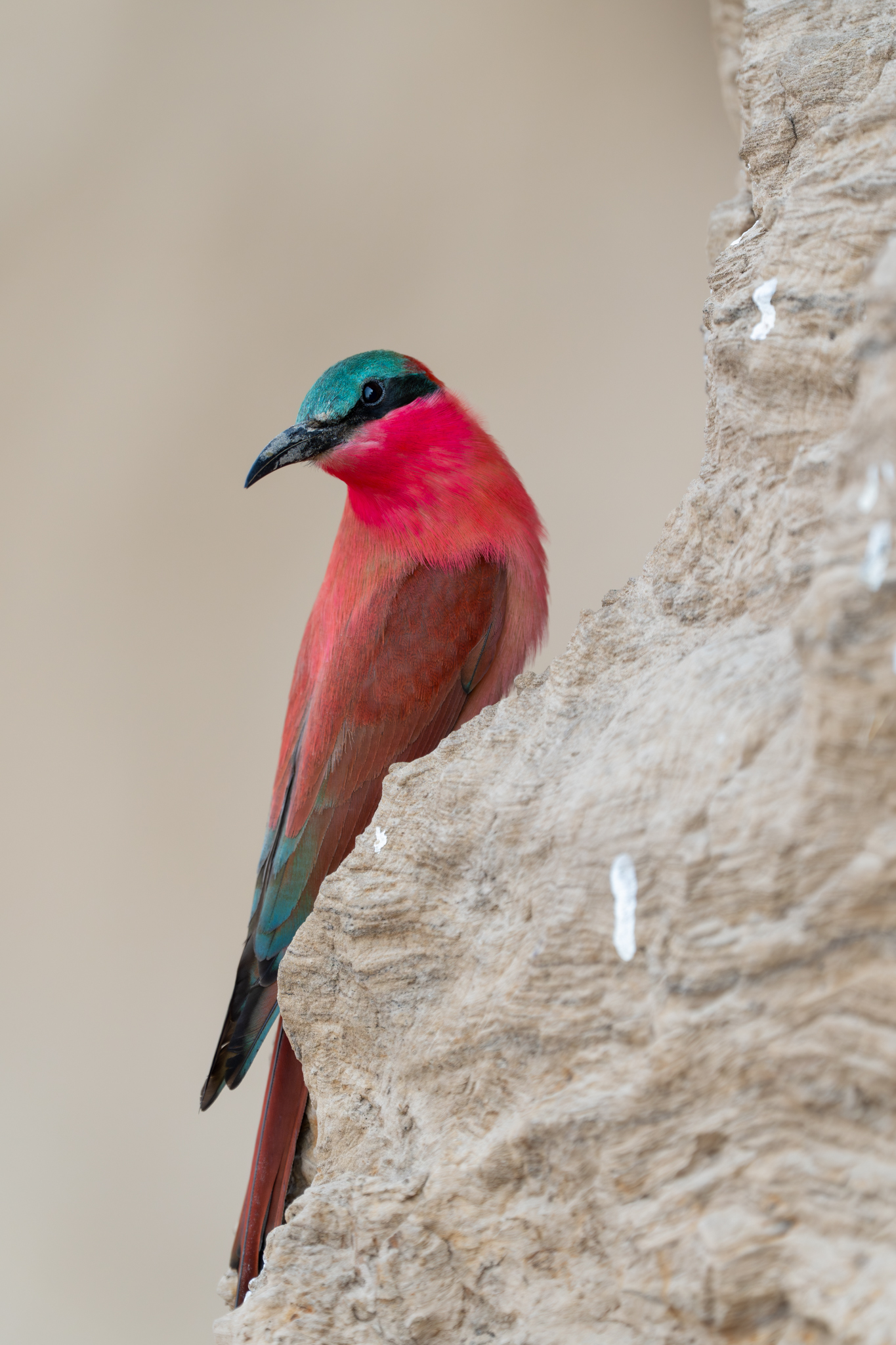
Southern Carmine Bee-eater

  • These birds are intra-African migrants, arriving in Zambia specifically for the dry season to breed in the soft, sandy river cliffs.
  • They nest in colonies of thousands, turning the riverbanks into a vibrant crimson spectacle that is unique to this time of year.
  • They are incredibly agile hunters, catching bees mid-air and returning to a perch to smack the insect against a branch to remove the stinger.
  • Other birds, and even bee-eaters themselves, will ride on the backs of Kori Bustards or antelopes to catch insects disturbed by the larger animals.

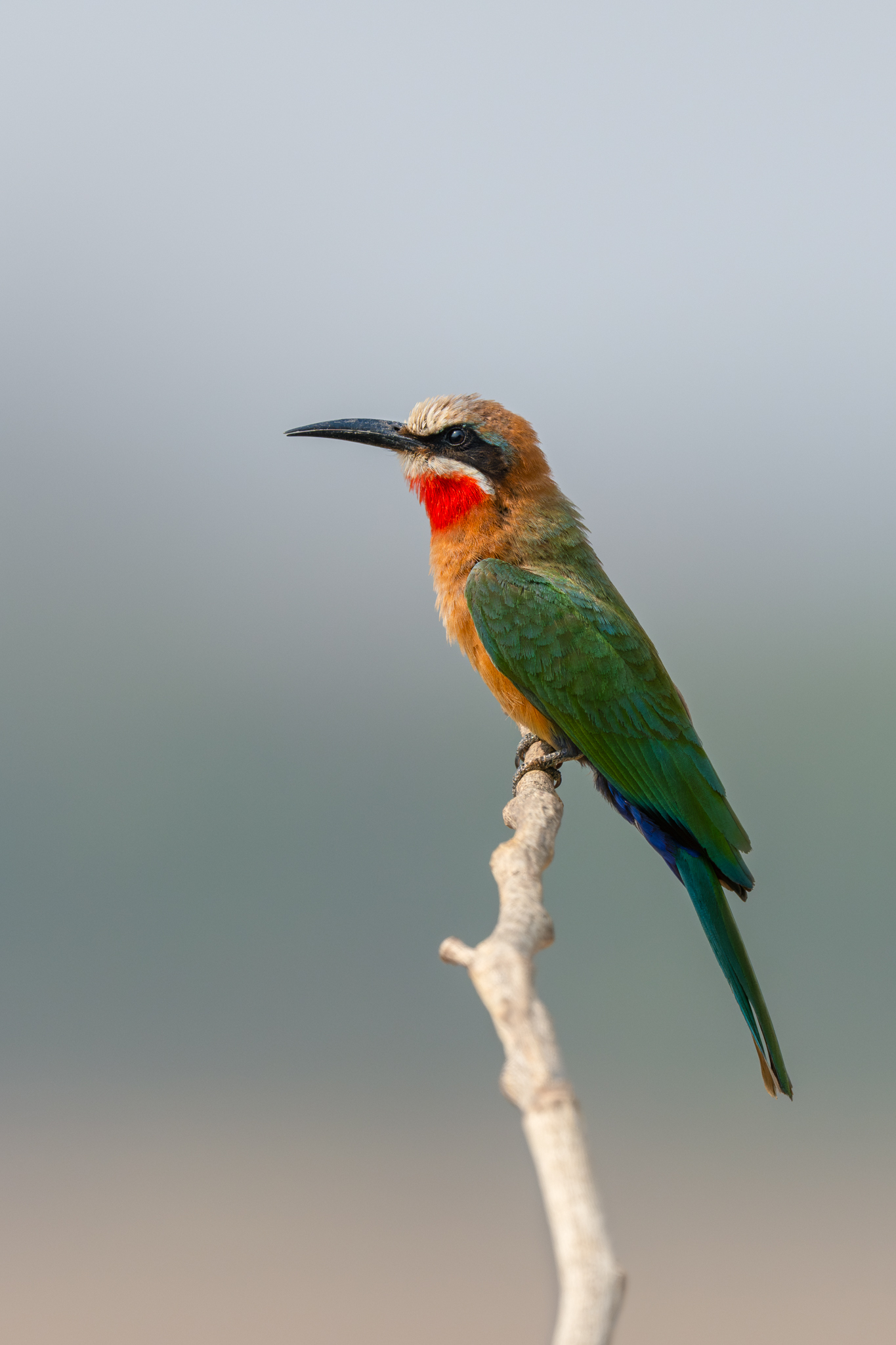
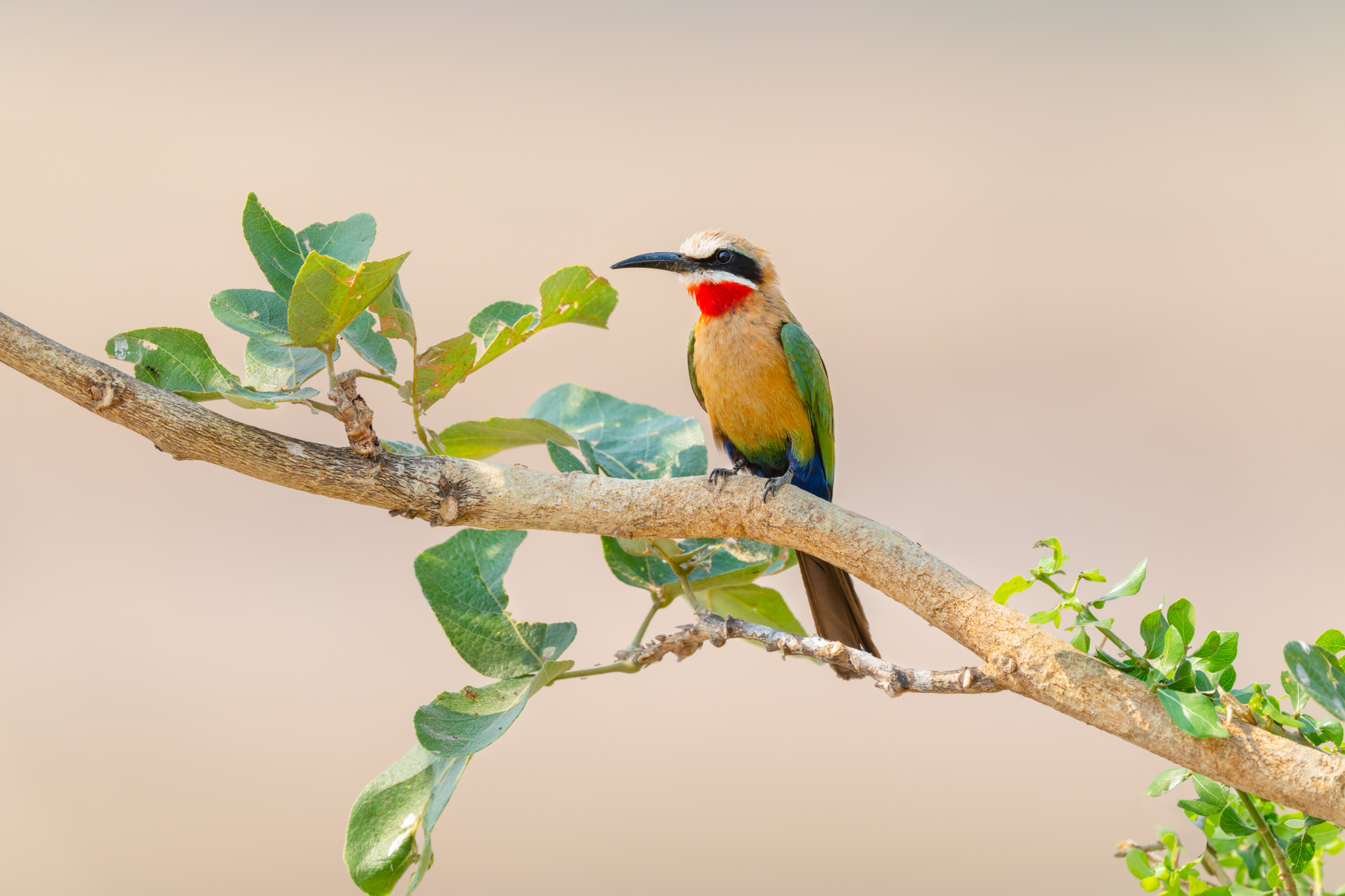
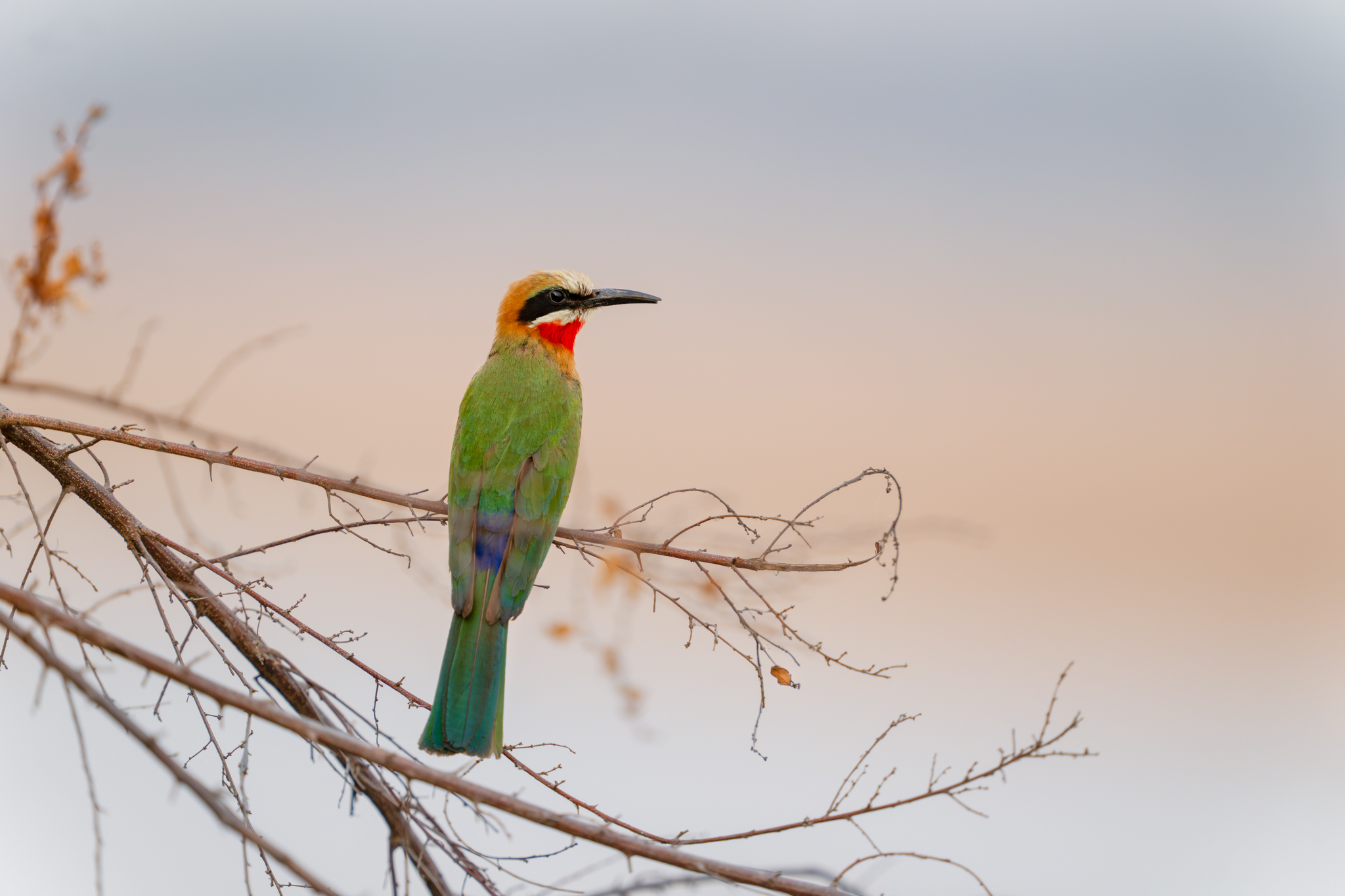
White-fronted Bee-eater

  • Unlike the Carmine, these are resident birds and can be seen in South Luangwa all year round.
  • They live in complex social clans where non-breeding birds (helpers) assist in raising the chicks of the dominant pair.
  • They are easily identified by the stark white patch on their forehead and their bright red throat.
  • They dig tunnels up to 1 meter long into the riverbanks to lay their eggs, often right next to the massive Carmine colonies.

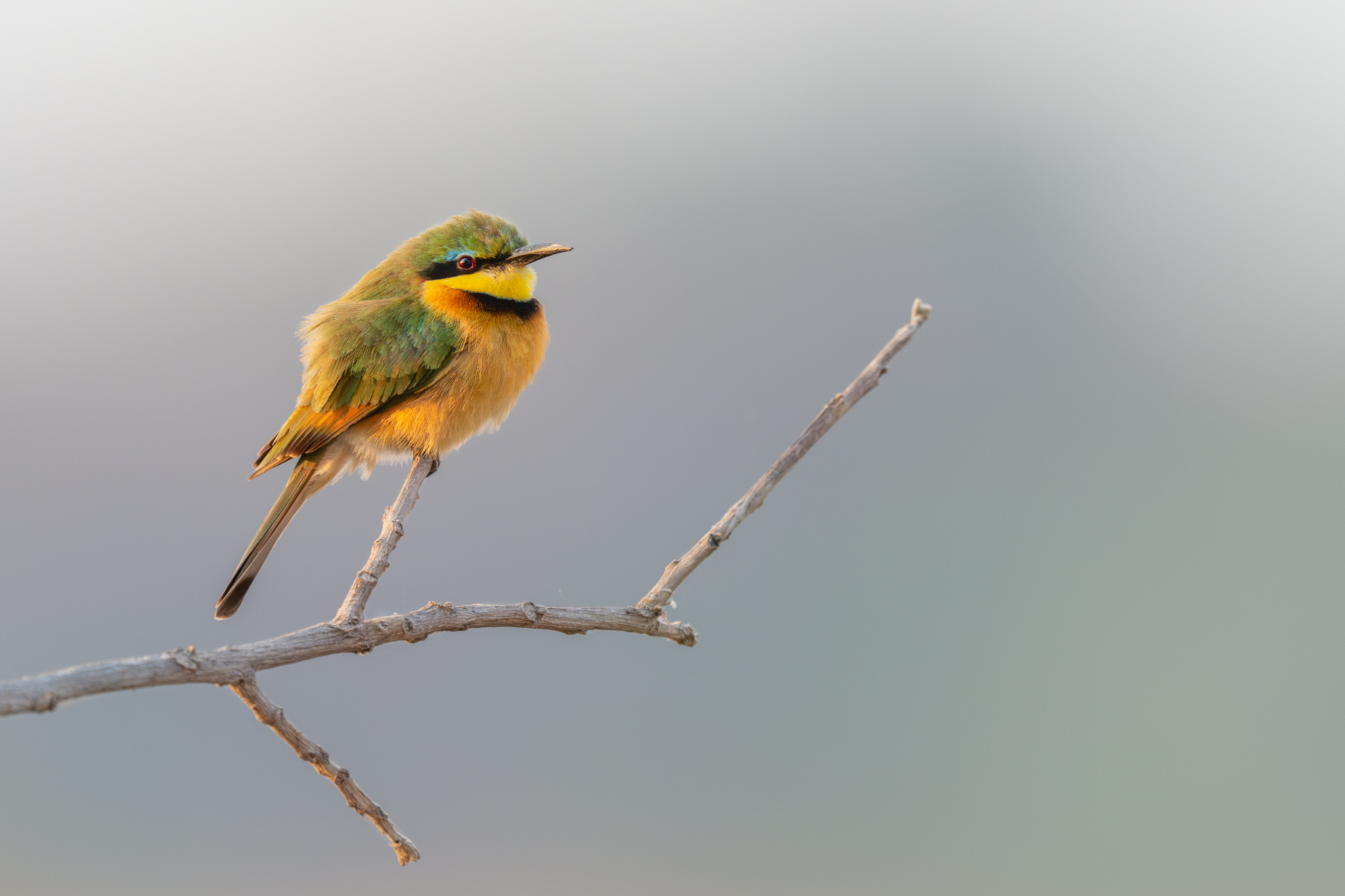
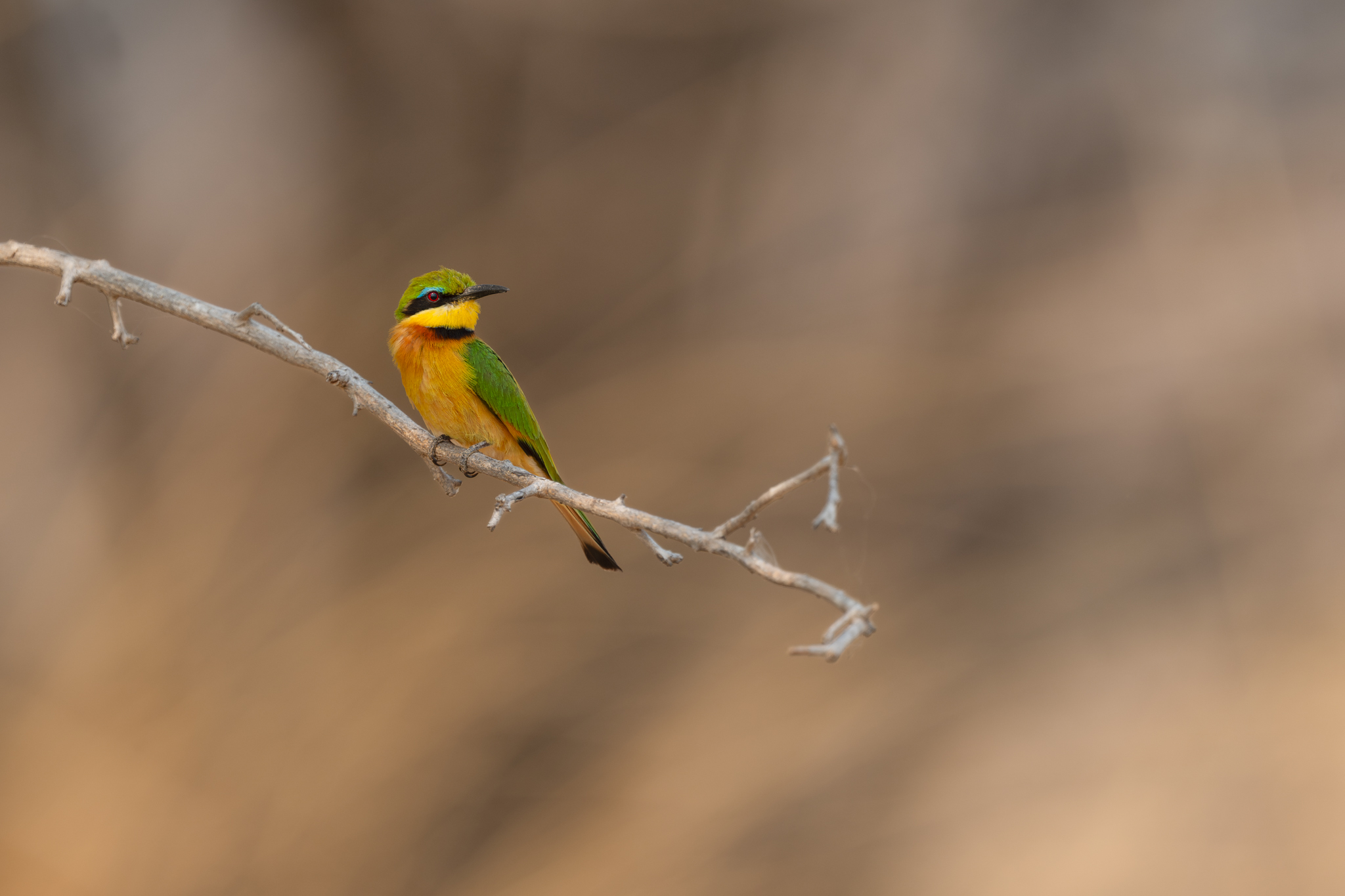
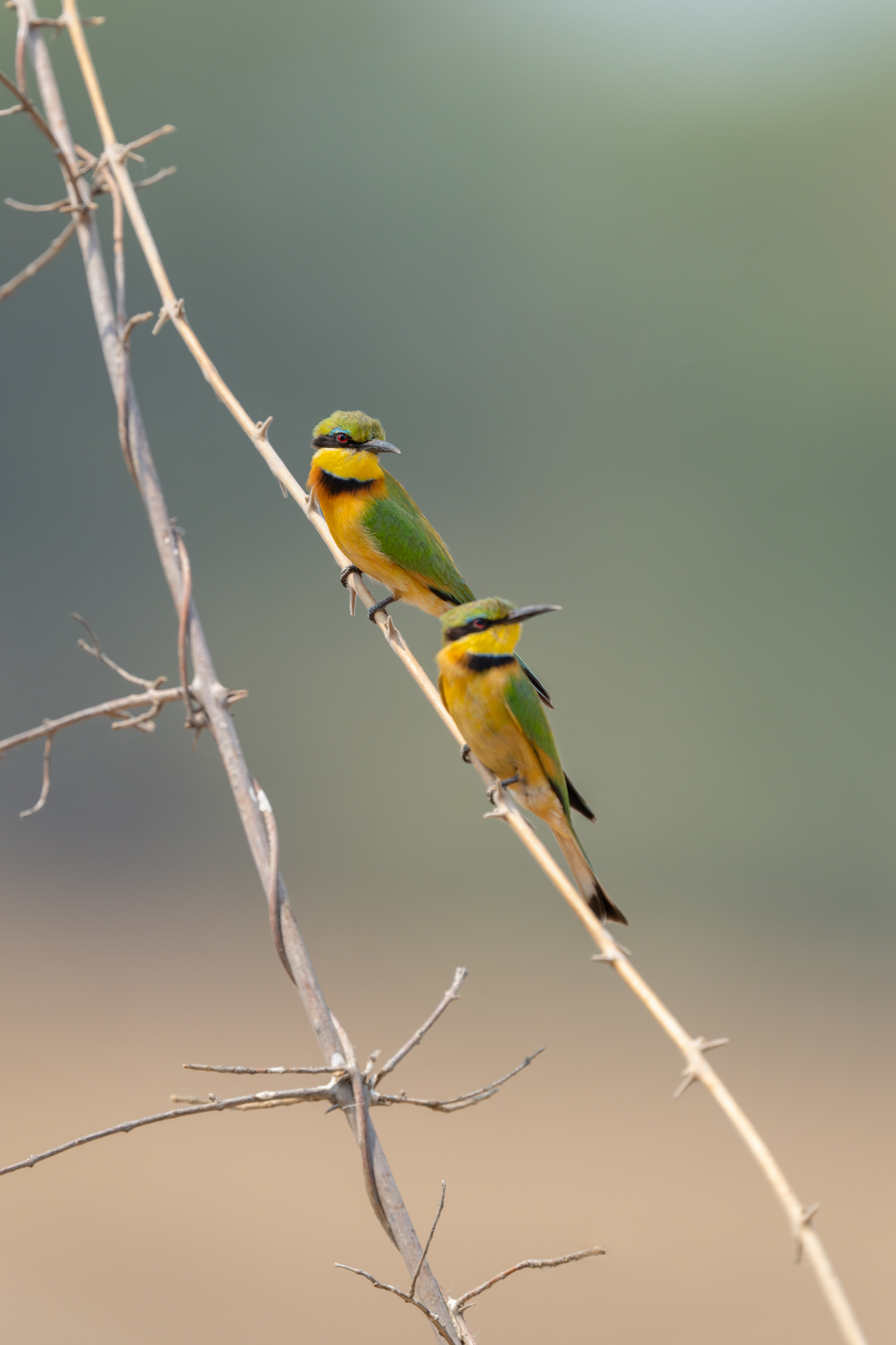
Little Bee-eater

  • The smallest of the bee-eaters, these tiny gems are solitary or found in pairs, rather than massive flocks.
  • They prefer open woodland and low bushes, often sitting on low branches just a few feet off the ground.
  • Despite their size, they are fierce flycatchers and can spot an insect from 50 meters away.
  • They roost together at night, huddling in a row on a branch to keep warm, looking like little feathery balls.

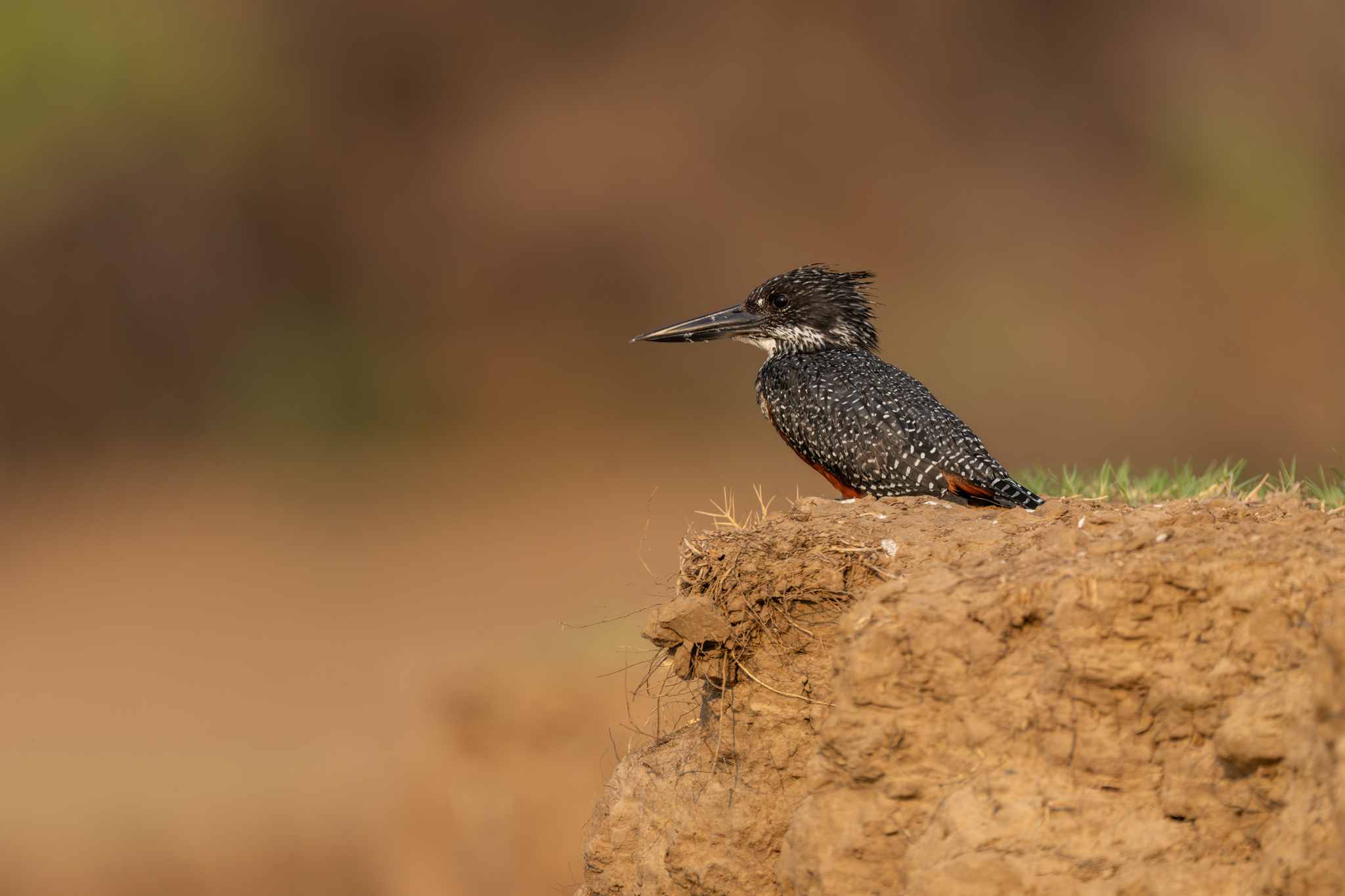
Giant Kingfisher

  • This is the largest kingfisher in Africa, roughly the size of a crow, with a massive, dagger-like black bill.
  • They are sexually dimorphic: males have a chestnut breast band, while females have a chestnut belly.
  • We often saw them perched high over the Luangwa River, scanning for fish, crabs, and frogs in the shallow pools.
  • They hover before diving, hitting the water with immense force to capture prey, then beating it against a branch to stun it.

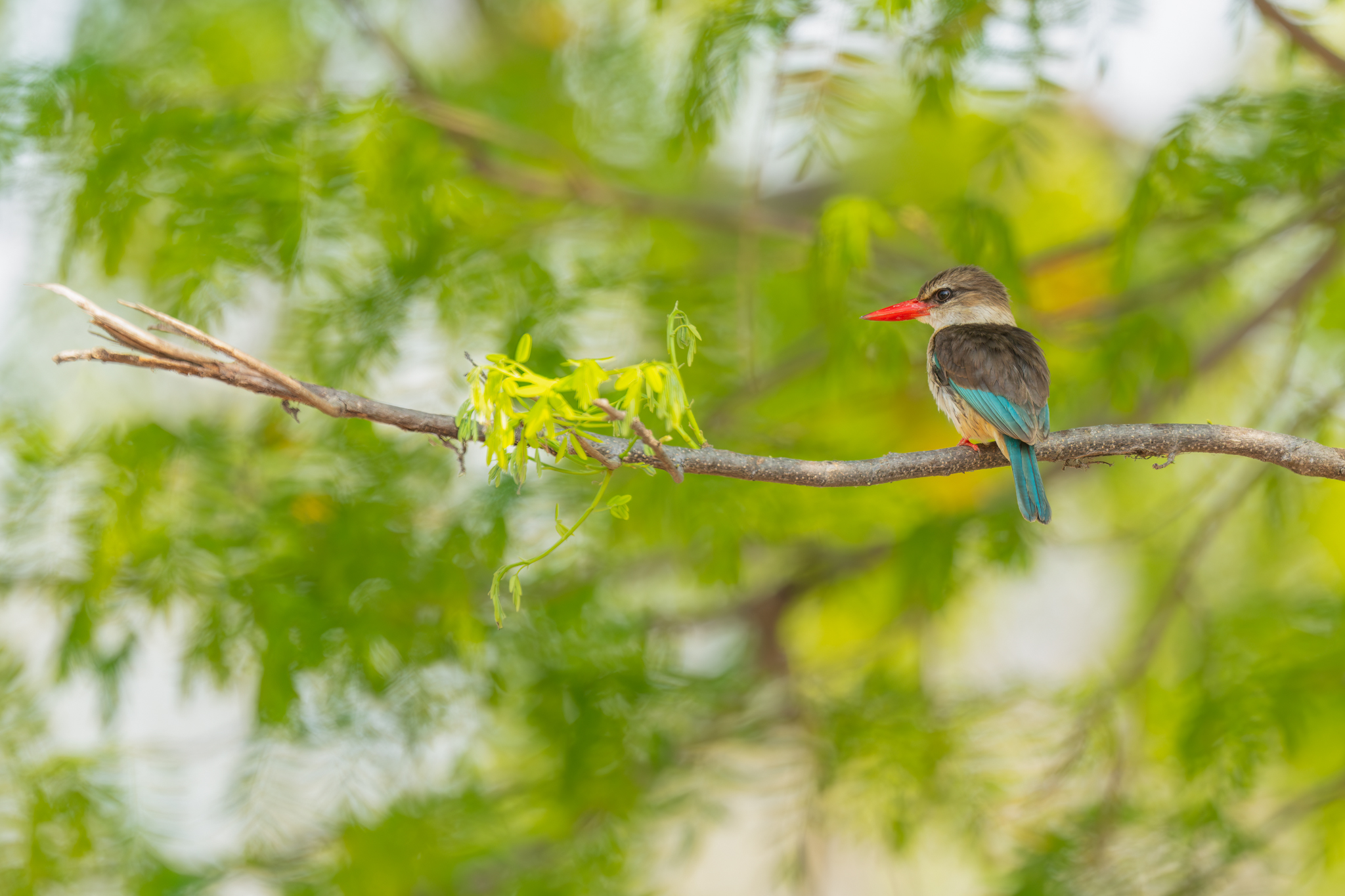
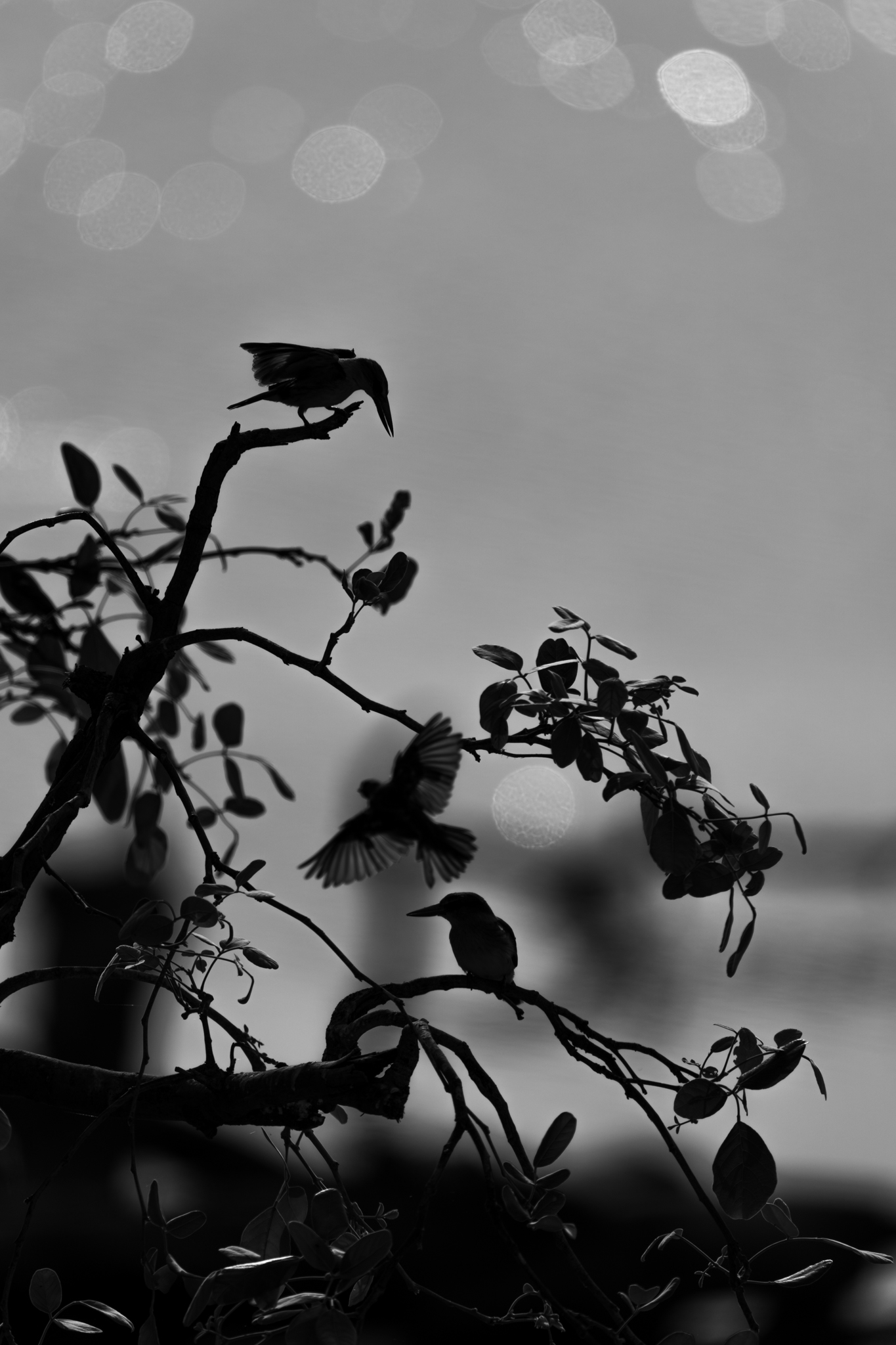
Brown-hooded Kingfisher

  • Despite the name, this kingfisher rarely fishes; it is an insectivore that hunts from a perch in the dry woodland.
  • They have a distinctive striped appearance on their flanks and a bright red beak that contrasts with their brown head.
  • They are territorial and will vigorously defend their hunting grounds from other birds.
  • They nest in holes in earth banks, often taking over abandoned burrows of bee-eaters or rollers.

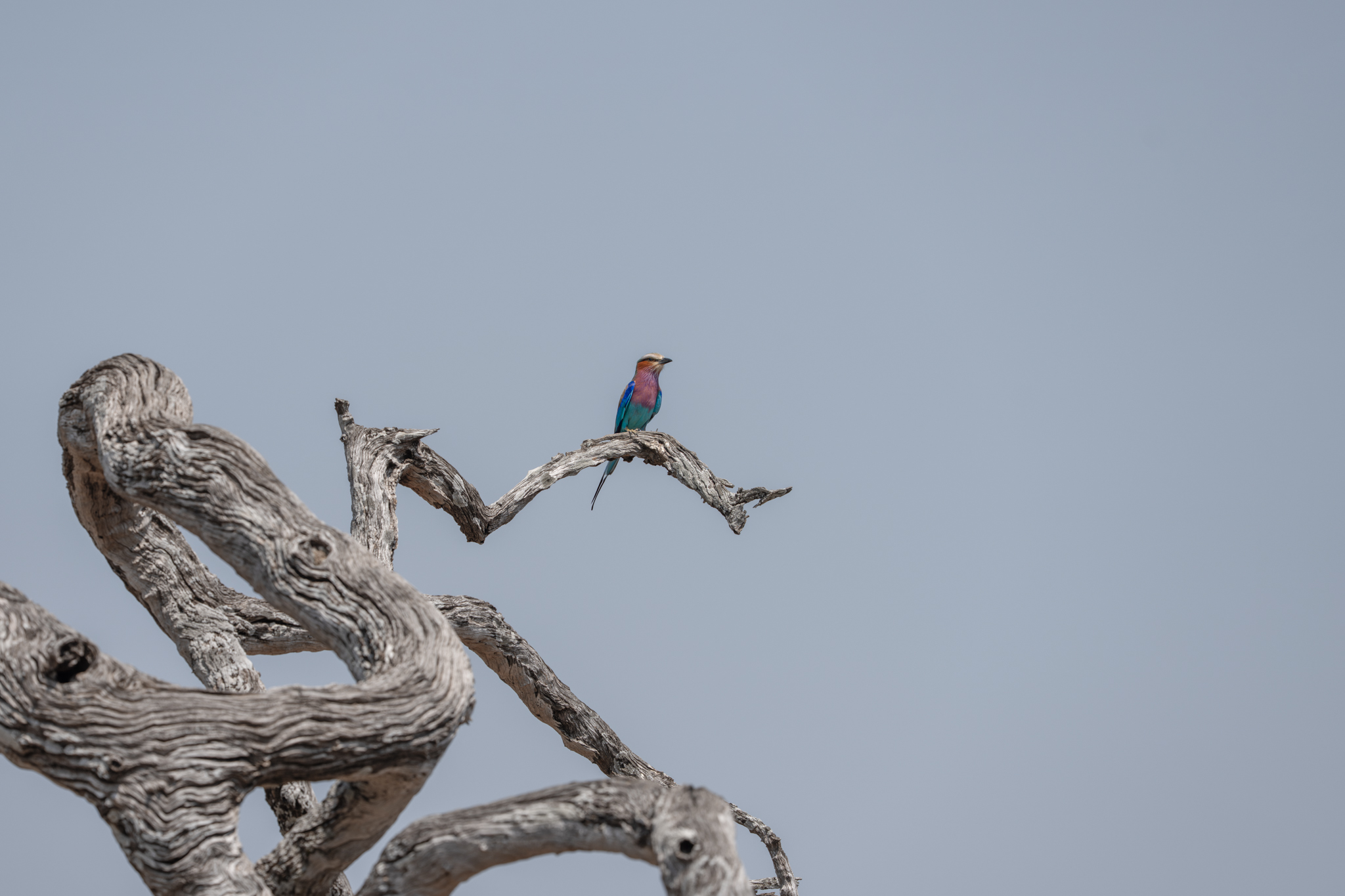
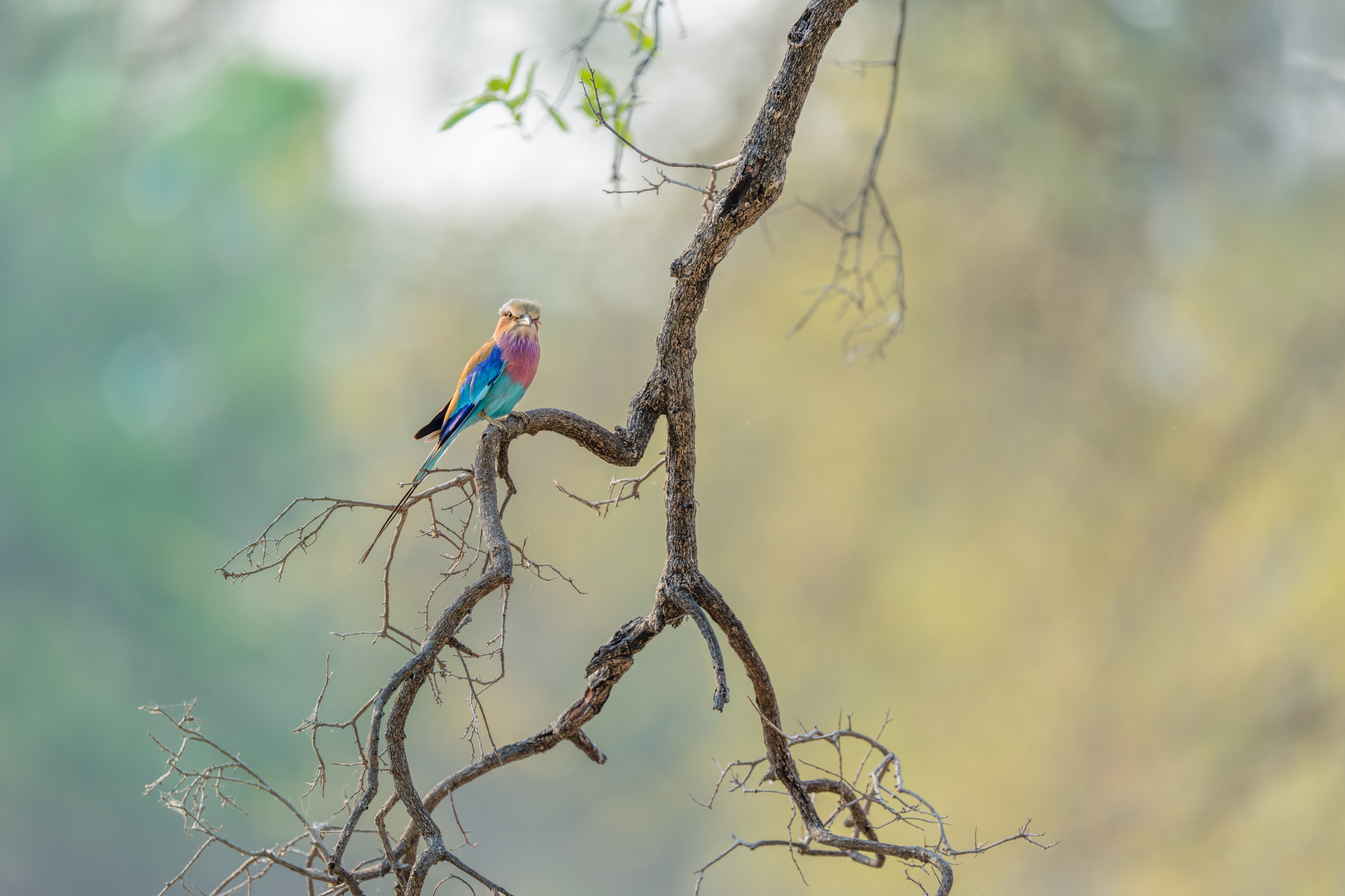
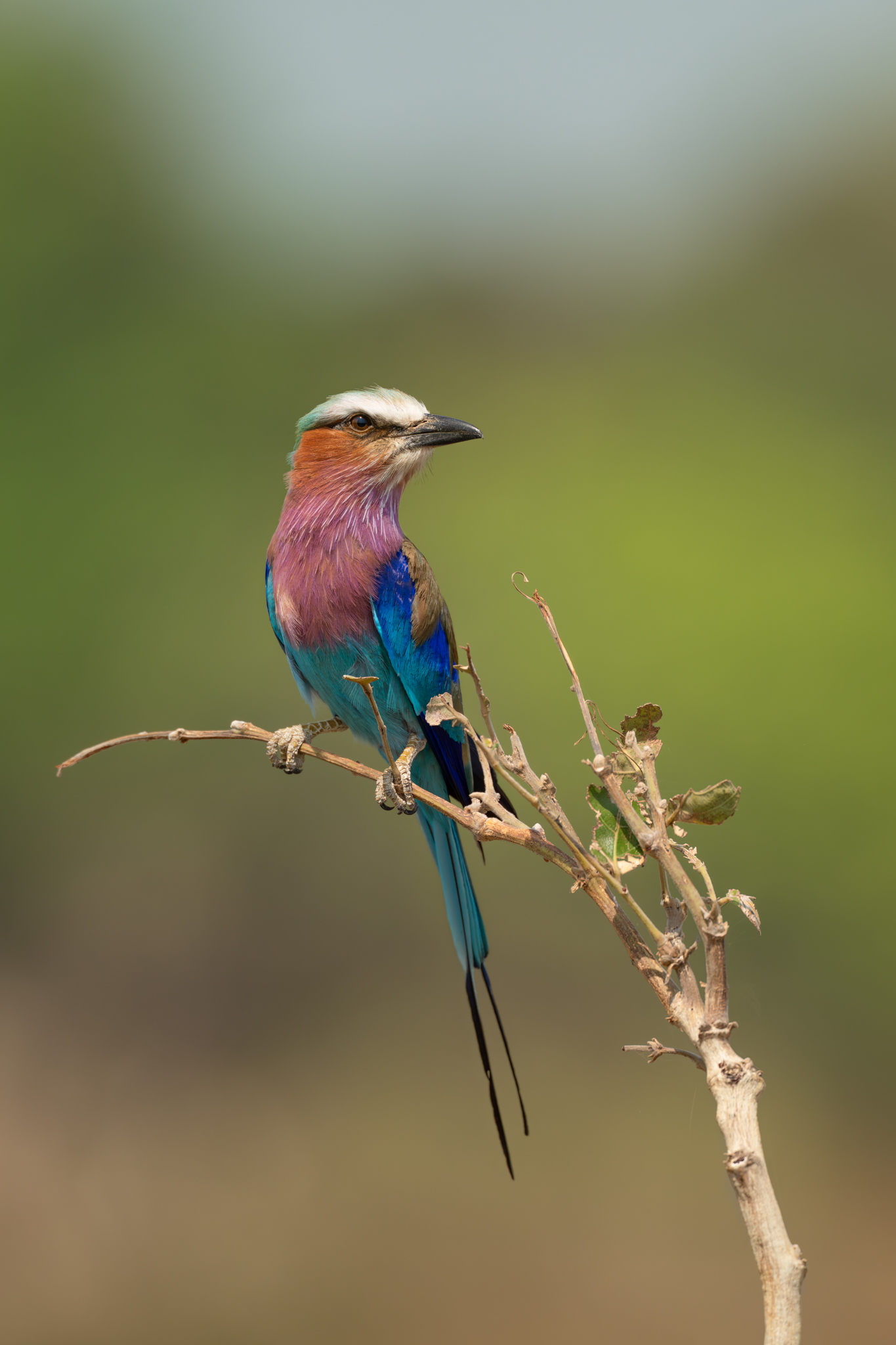
Lilac-breasted Roller

  • Often called the most beautiful bird in Africa, it possesses an incredible palette of 8 distinct colors.
  • It is the national bird of Kenya, but it thrives in the Zambian woodlands, often perching on dead trees to spot beetles and lizards.
  • The name „Roller” comes from their spectacular mating display, where they dive-bomb and roll in the air while calling loudly.
  • They are fearless and will dive at predators like eagles or snakes that come too close to their nests.

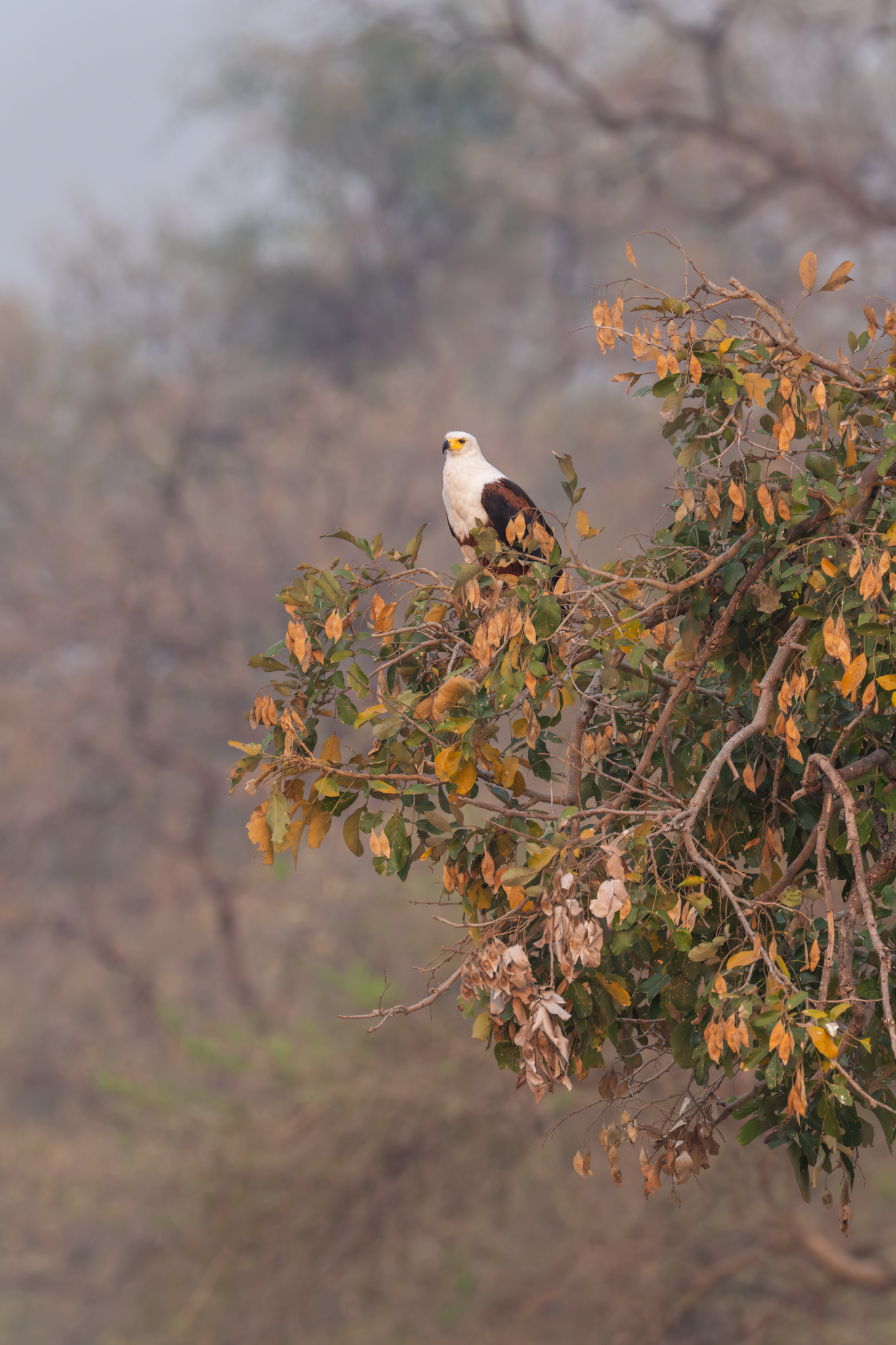
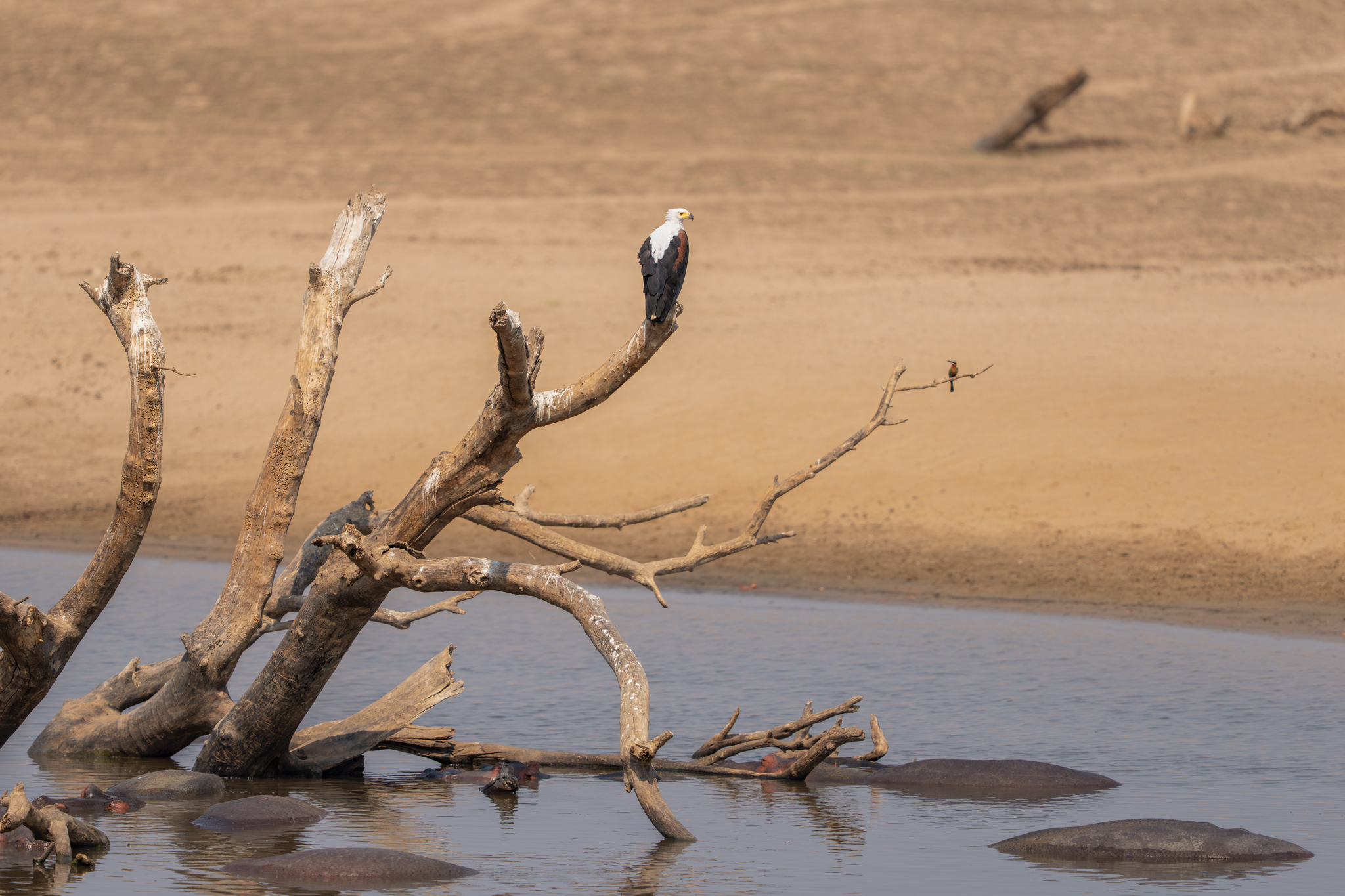
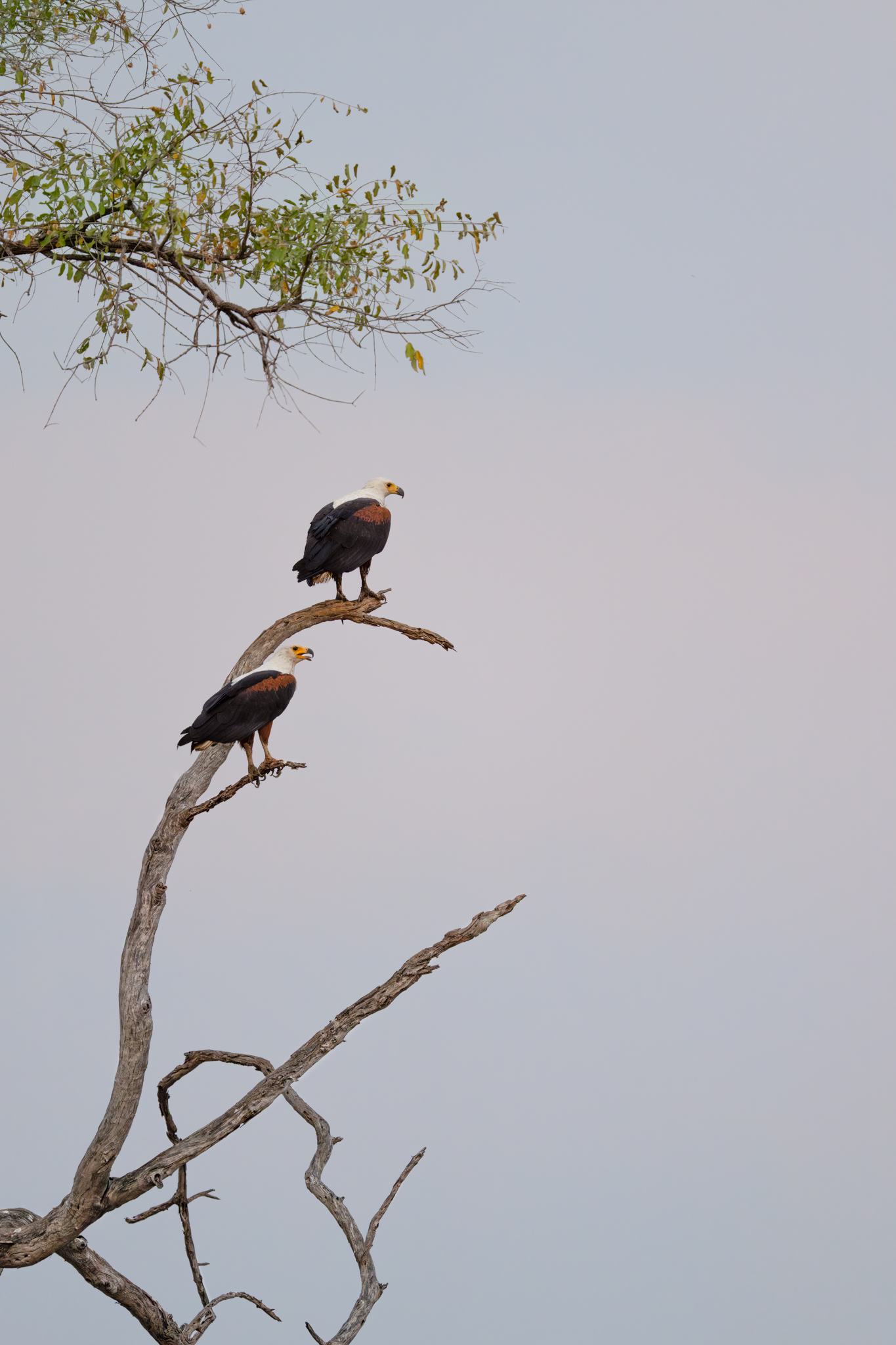
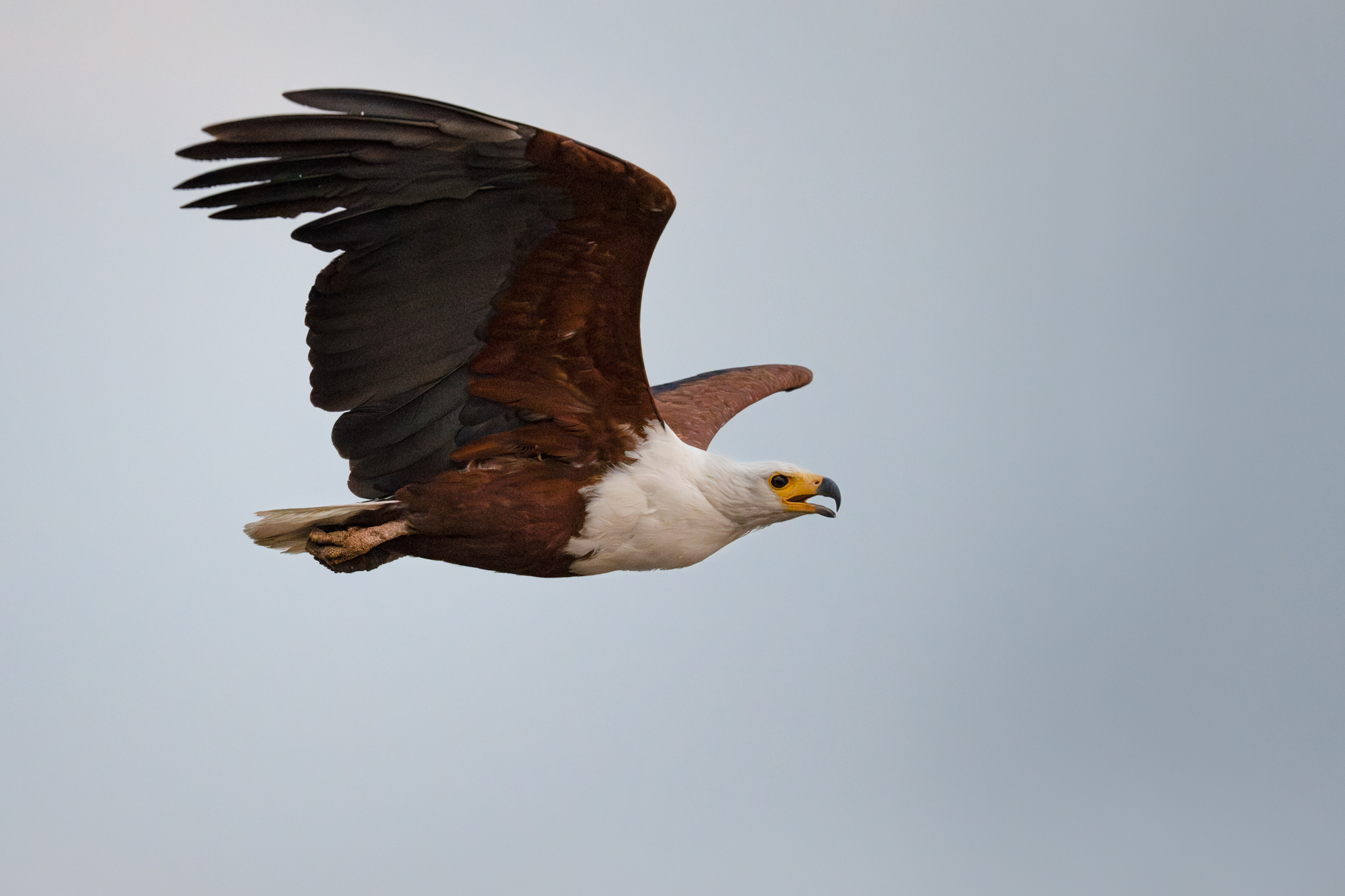
African Fish Eagle

  • The „Voice of Africa,” their high-pitched, echoing call is one of the most iconic sounds of the safari.
  • They have incredible vision and can spot a fish swimming near the surface from a perch hundreds of meters away.
  • We saw one guarding the Luangwa Bridge; they are highly territorial and mate for life, often holding the same territory for years.
  • They have specialized rough pads on their feet (talons) to help them grip slippery fish as they snatch them from the water.

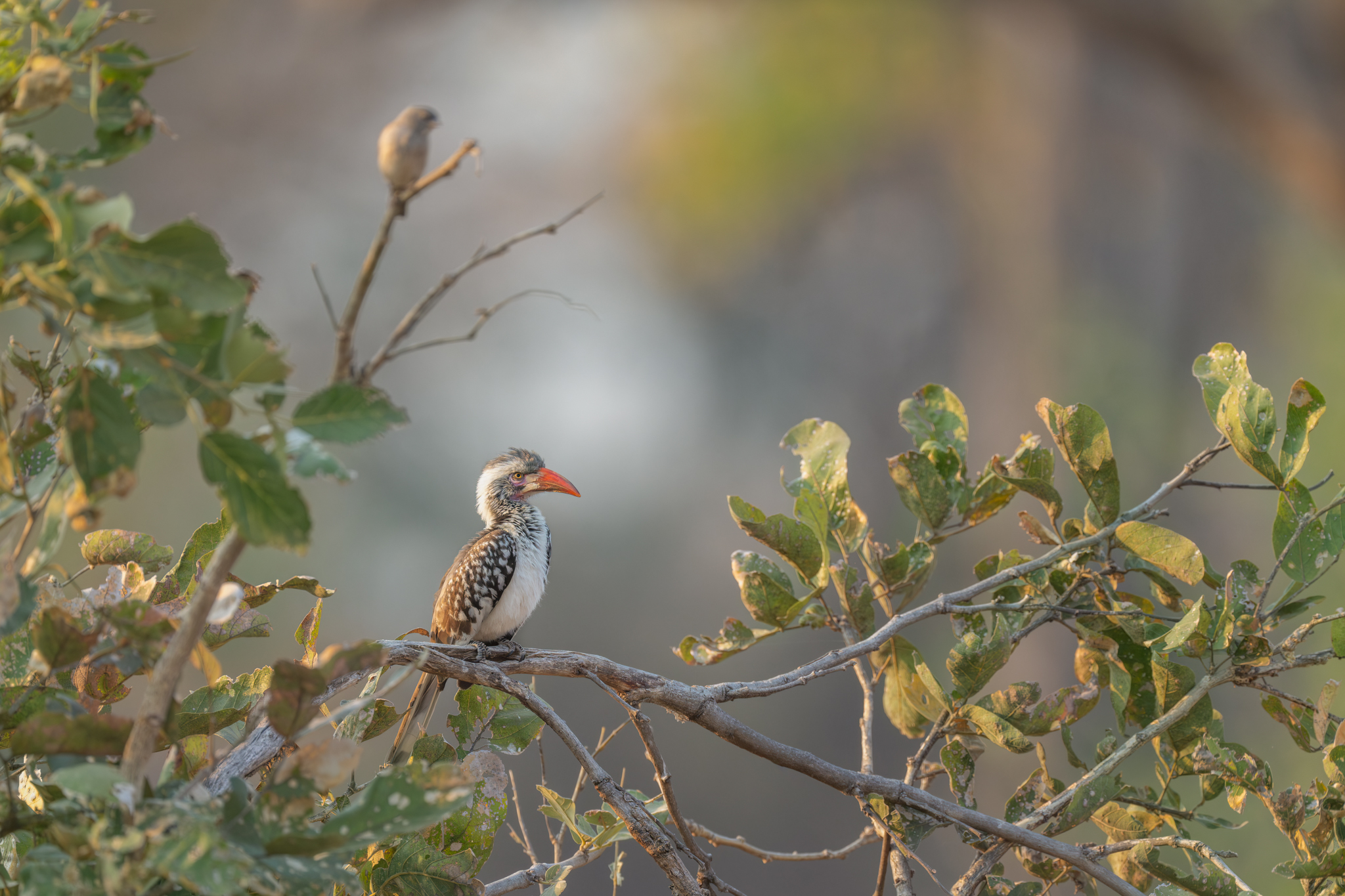
Southern Red-billed Hornbill

  • Famous as the model for „Zazu” in The Lion King, these birds are common residents of the savannah.
  • They forage on the ground for insects and are often seen following dwarf mongooses to catch prey the mammals disturb.
  • They have a unique nesting habit: the female seals herself inside a tree hollow with mud, leaving only a tiny slit for the male to feed her.
  • As the climate warms, researchers in southern Africa are using them as a key indicator species for temperature impact on breeding success.

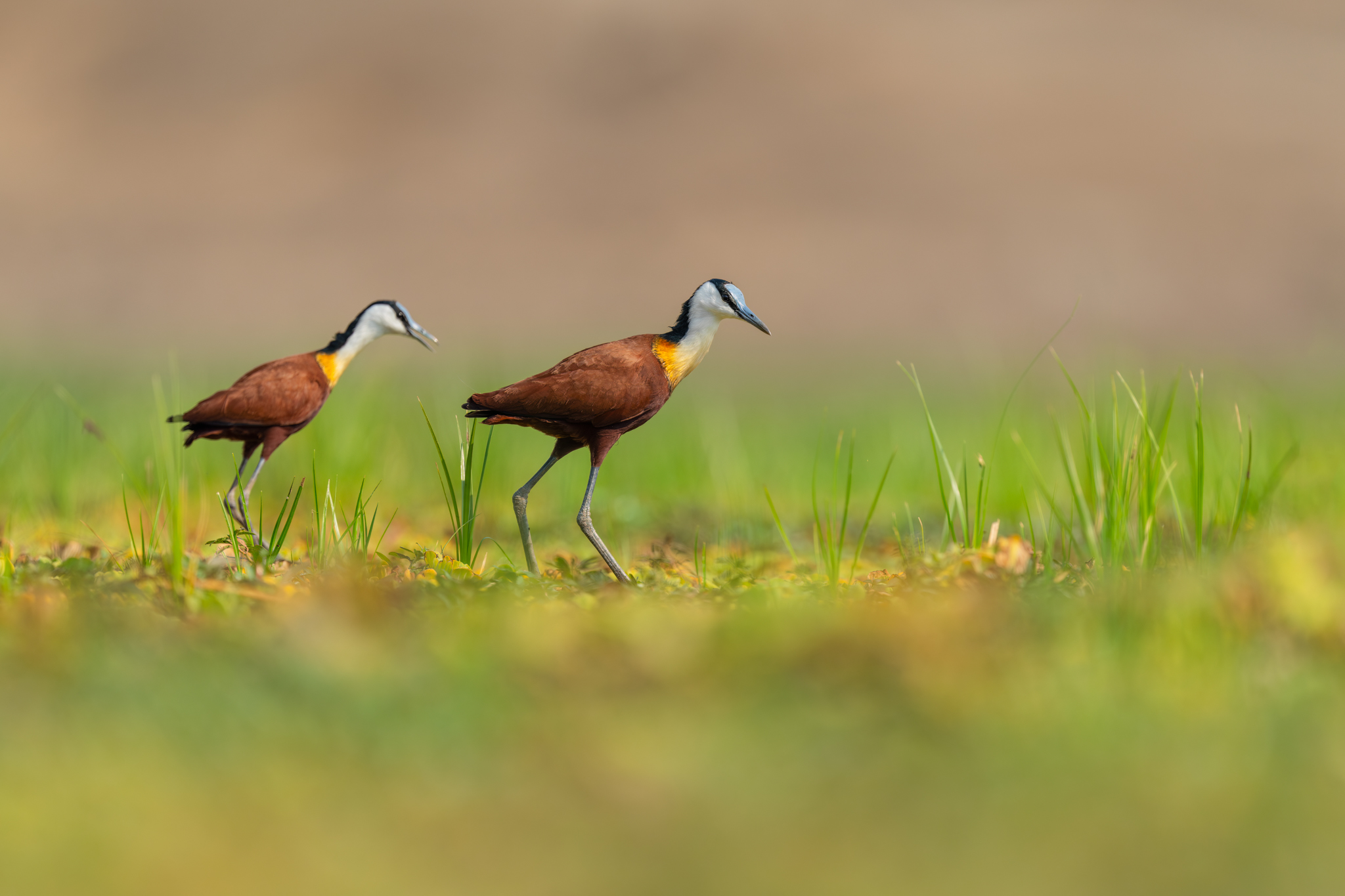
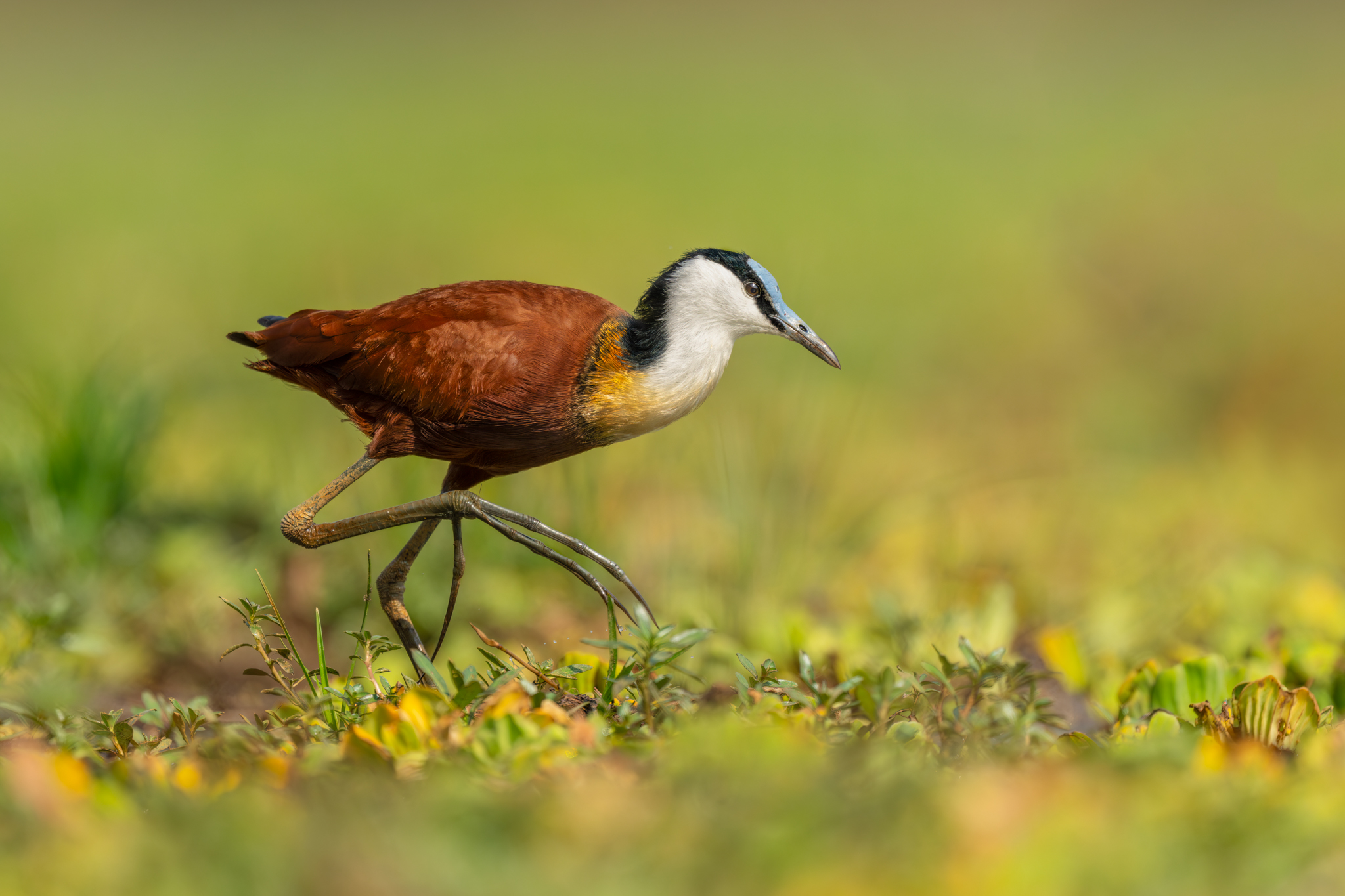
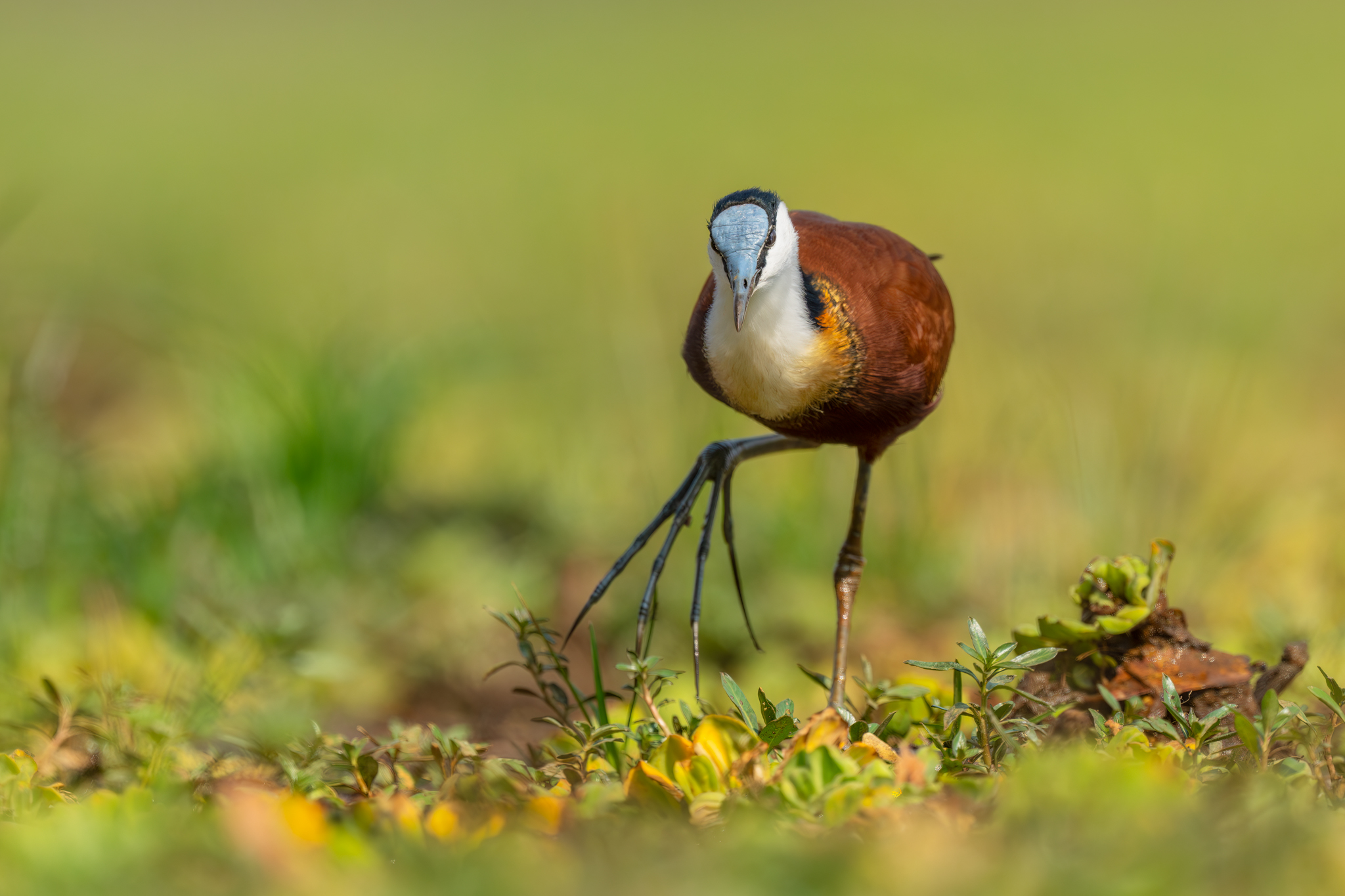
African Jacana

  • Known as the „Lily Trotter” because their enormous feet allow them to walk on floating lily pads without sinking.
  • They have a reversed gender role: the female is larger and dominant, while the male builds the nest and raises the chicks alone.
  • If danger approaches, the male can pick up the chicks and carry them under his wings, leaving only the chicks’ legs dangling visible.
  • They are commonly seen in the lagoons and backwaters of the Luangwa River, picking insects off the water’s surface.

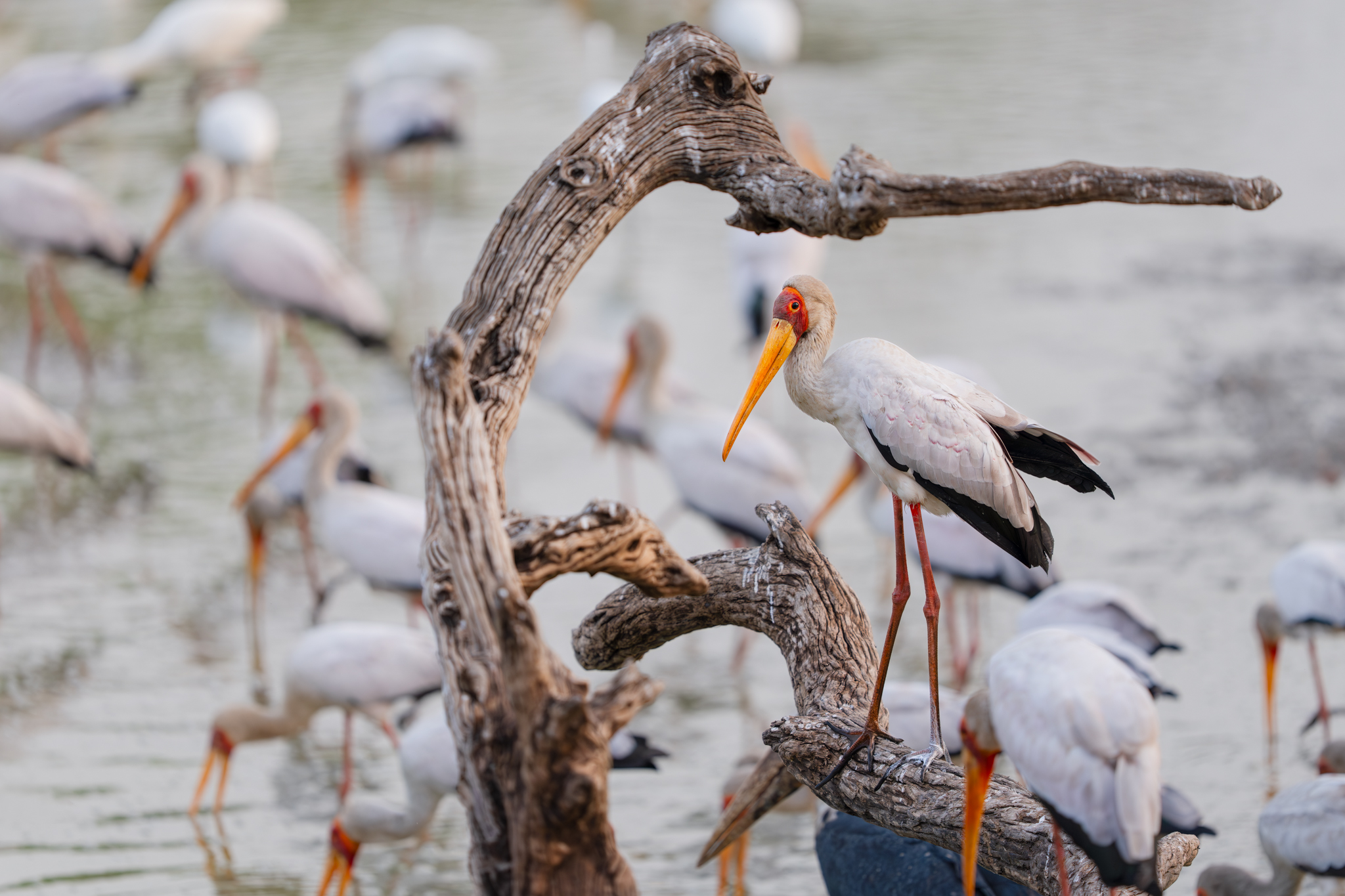
Yellow-billed Stork

  • These tall, elegant wading birds have a bright yellow beak and pinkish skin on their face, which becomes vivid red during breeding season.
  • They hunt by „tactile feeling”—they keep their beak open in the water and snap it shut the instant they feel movement.
  • They are often seen fishing alongside crocodiles and hippos, taking advantage of the fish disturbed by the large mammals.
  • They nest in colonies in tall trees, often sharing the space with other storks, herons, and ibises.

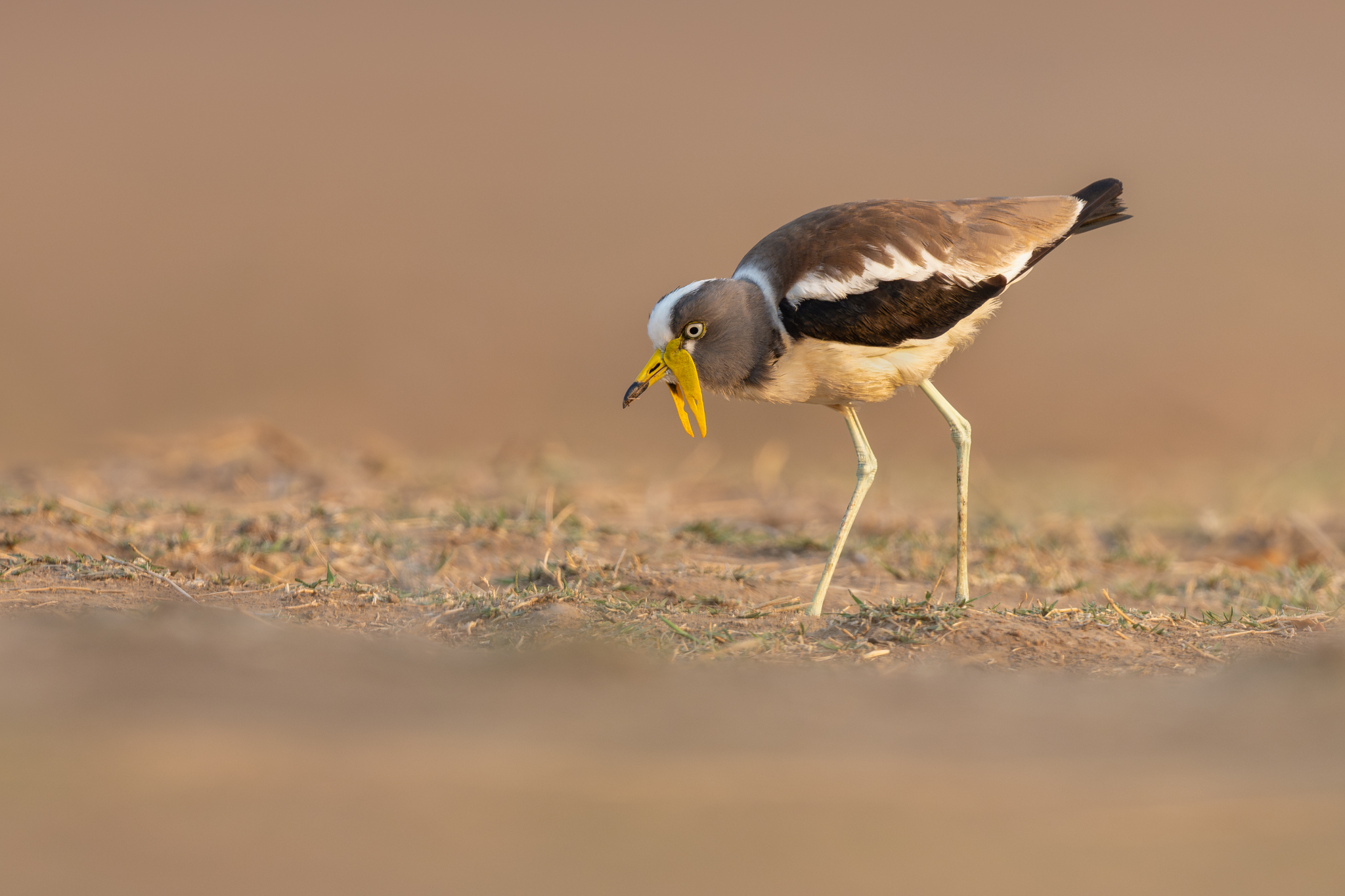
White-crowned Lapwing

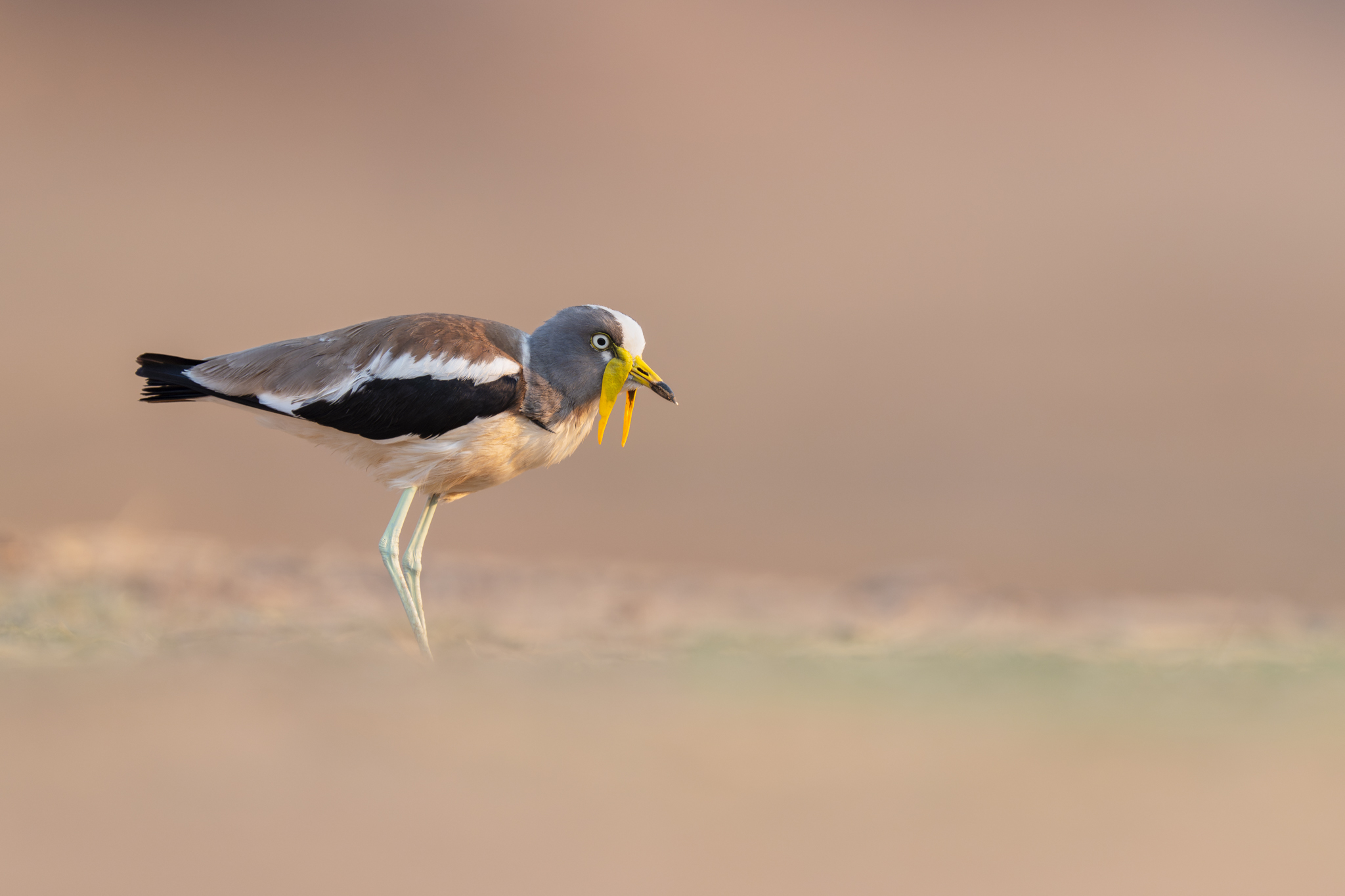
  • This is a distinct river bird identifiable by the striking white stripe on its head and long, yellow wattles.
  • They are almost exclusively found on sandbars and exposed riverbeds, making the Luangwa River perfect habitat.
  • They are fiercely protective parents and will dive-bomb intruders, including humans and baboons, to protect their ground nests.
  • Their call is a piercing, high-pitched „peep-peep” that serves as an alarm for other animals near the river.

Red-billed Oxpecker

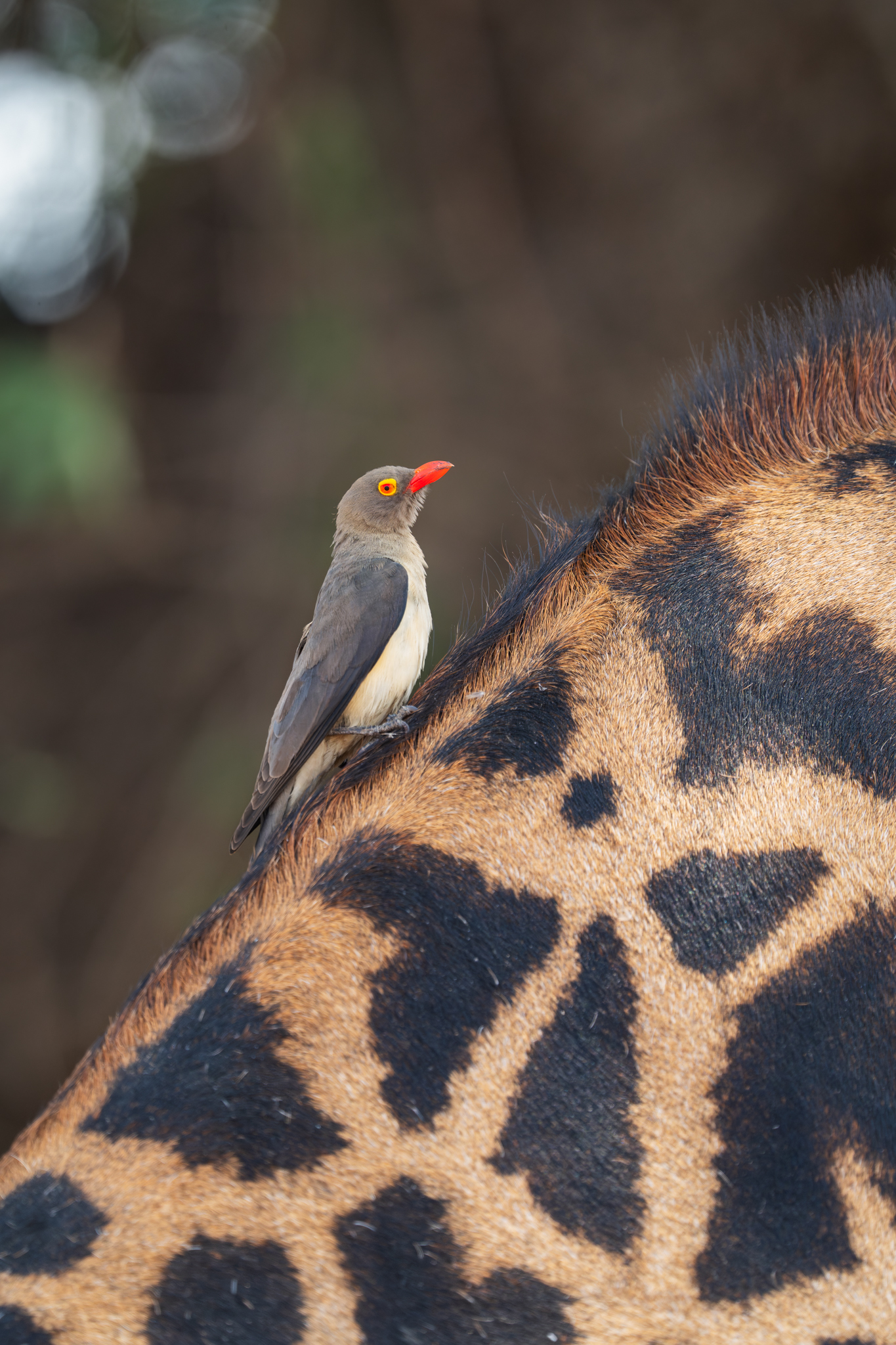
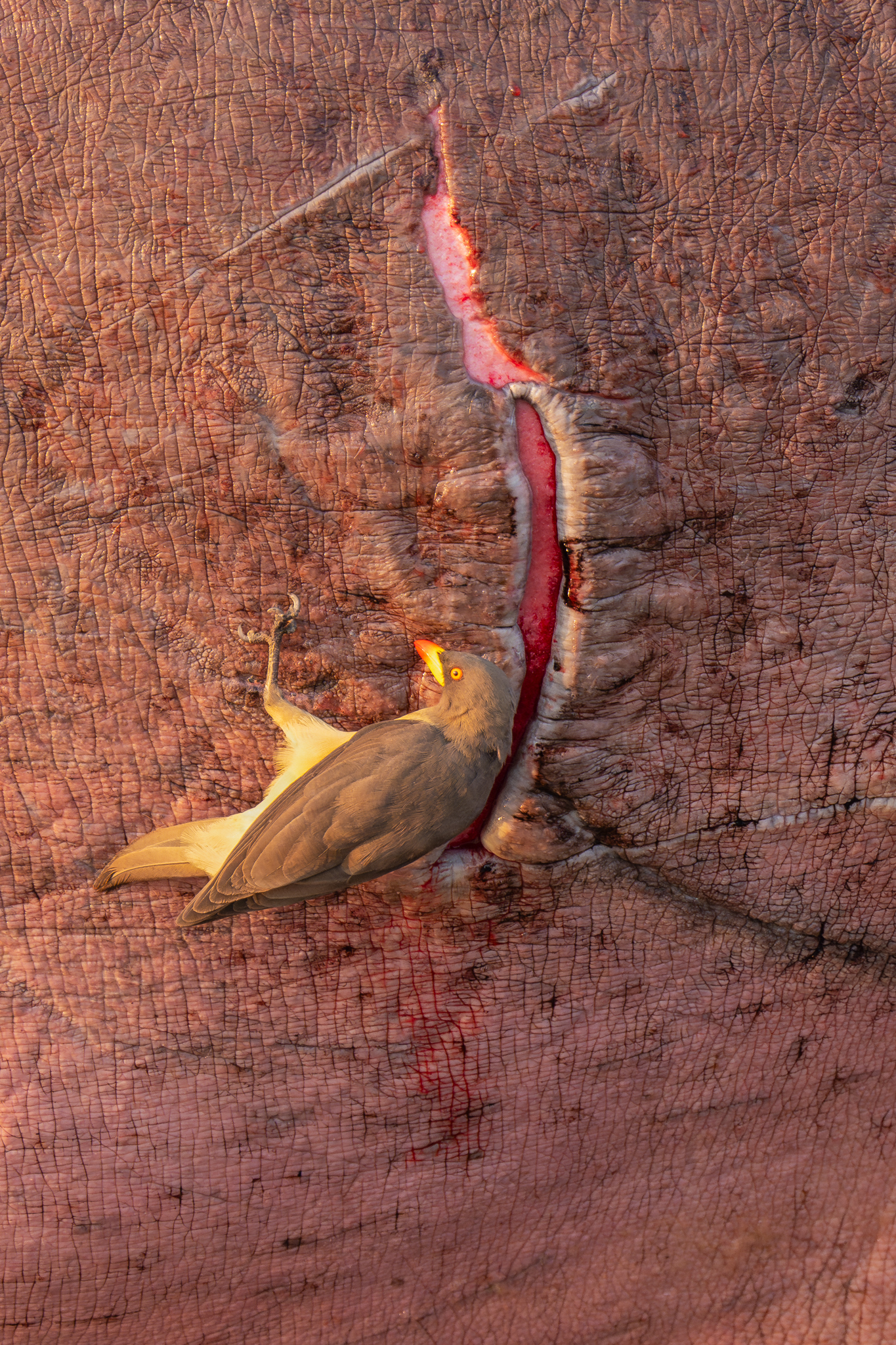
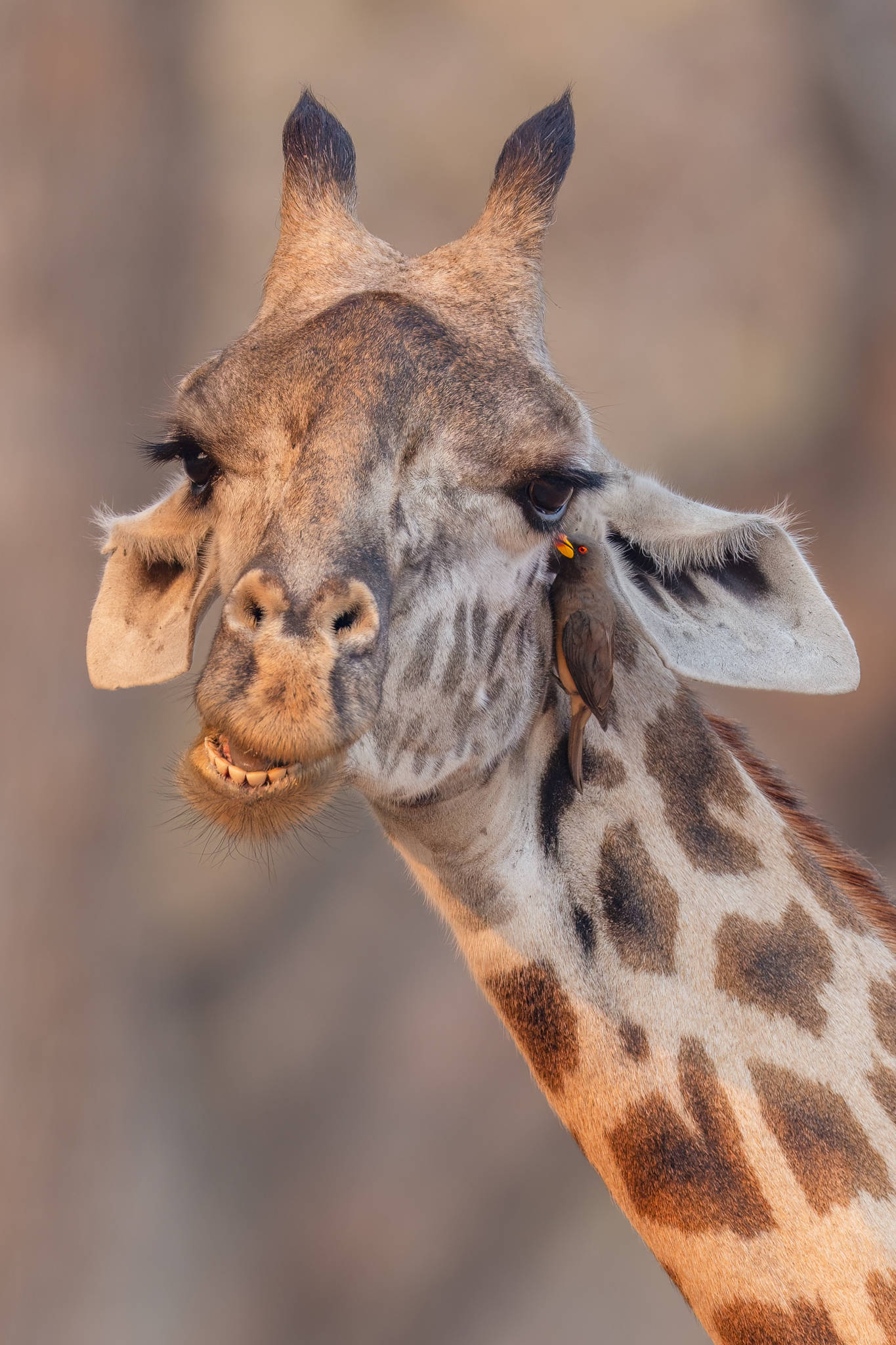
  • The quintessential „tickbird” of the savannah, they are almost always seen hitching a ride on buffalo, giraffe, and even hippos.
  • While they provide a service by eating thousands of ticks, they are also semi-parasitic „vampires” that keep wounds open to drink their host’s blood.
  • They act as an excellent alarm system for their hosts; their loud hissing call warns herbivores of approaching danger long before the animals spot it themselves.
  • Photographically, they add great character to mammal portraits, often seen hanging upside down from a giraffe’s ear or peering over a buffalo’s boss.

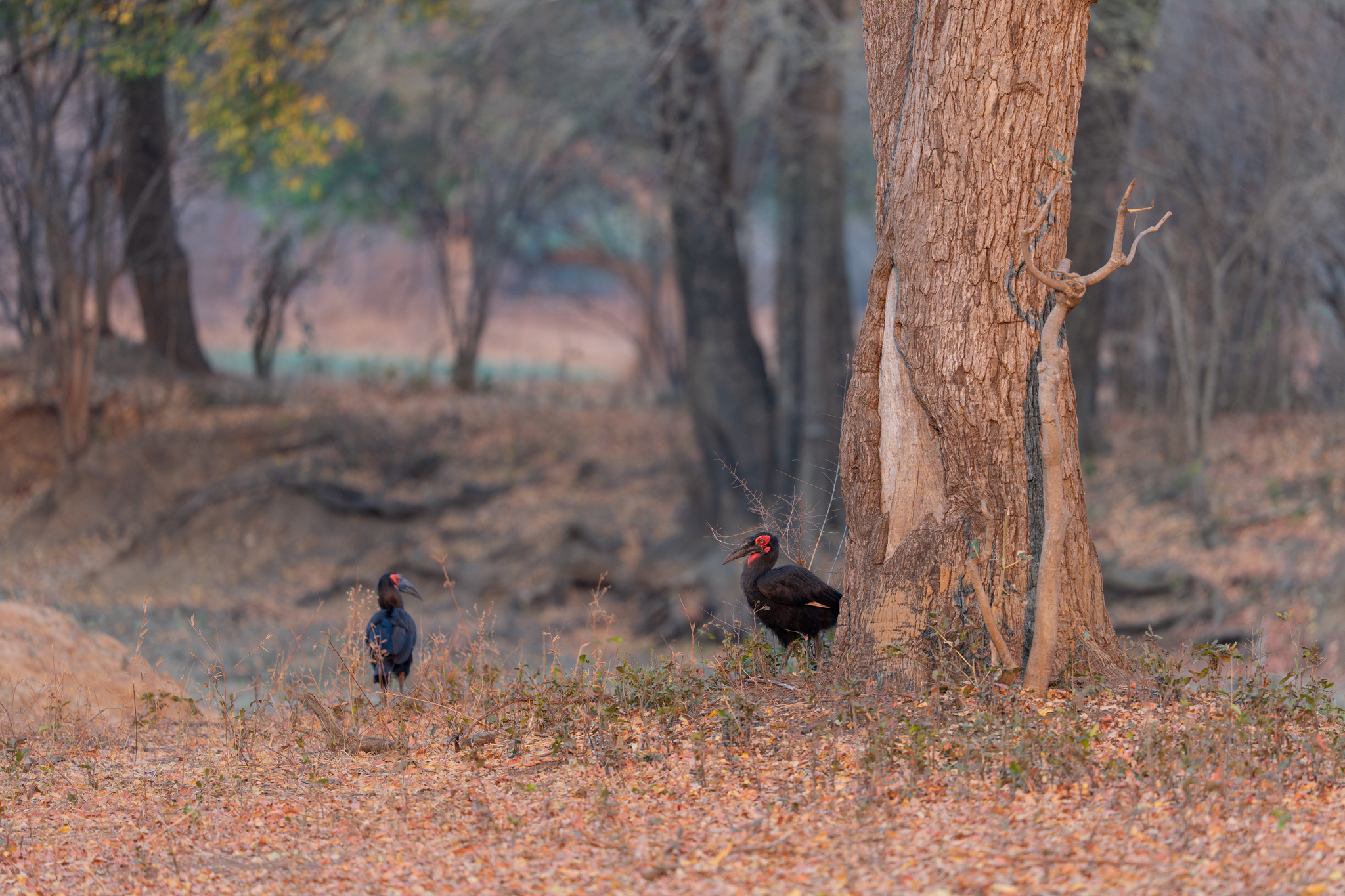
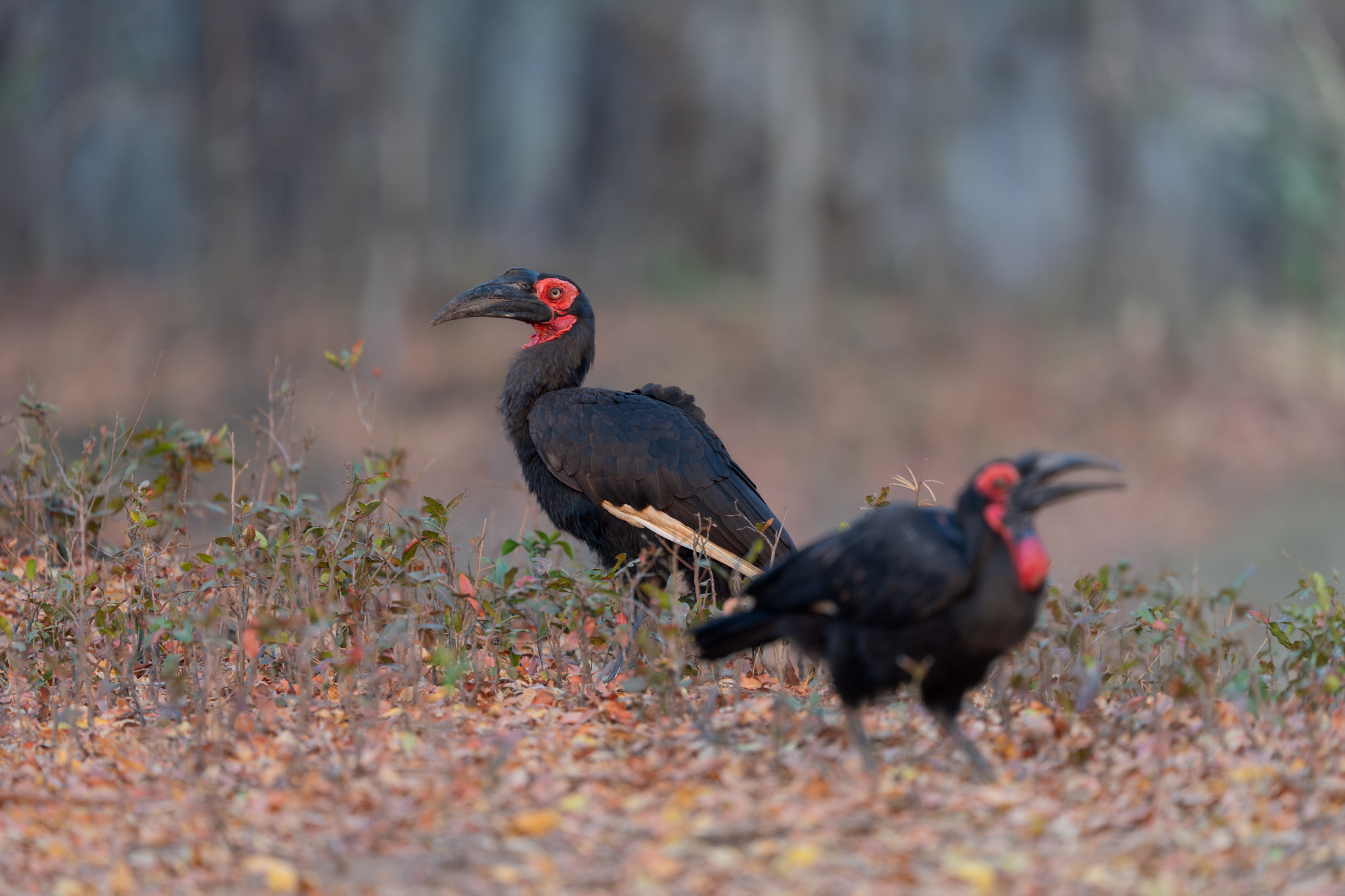
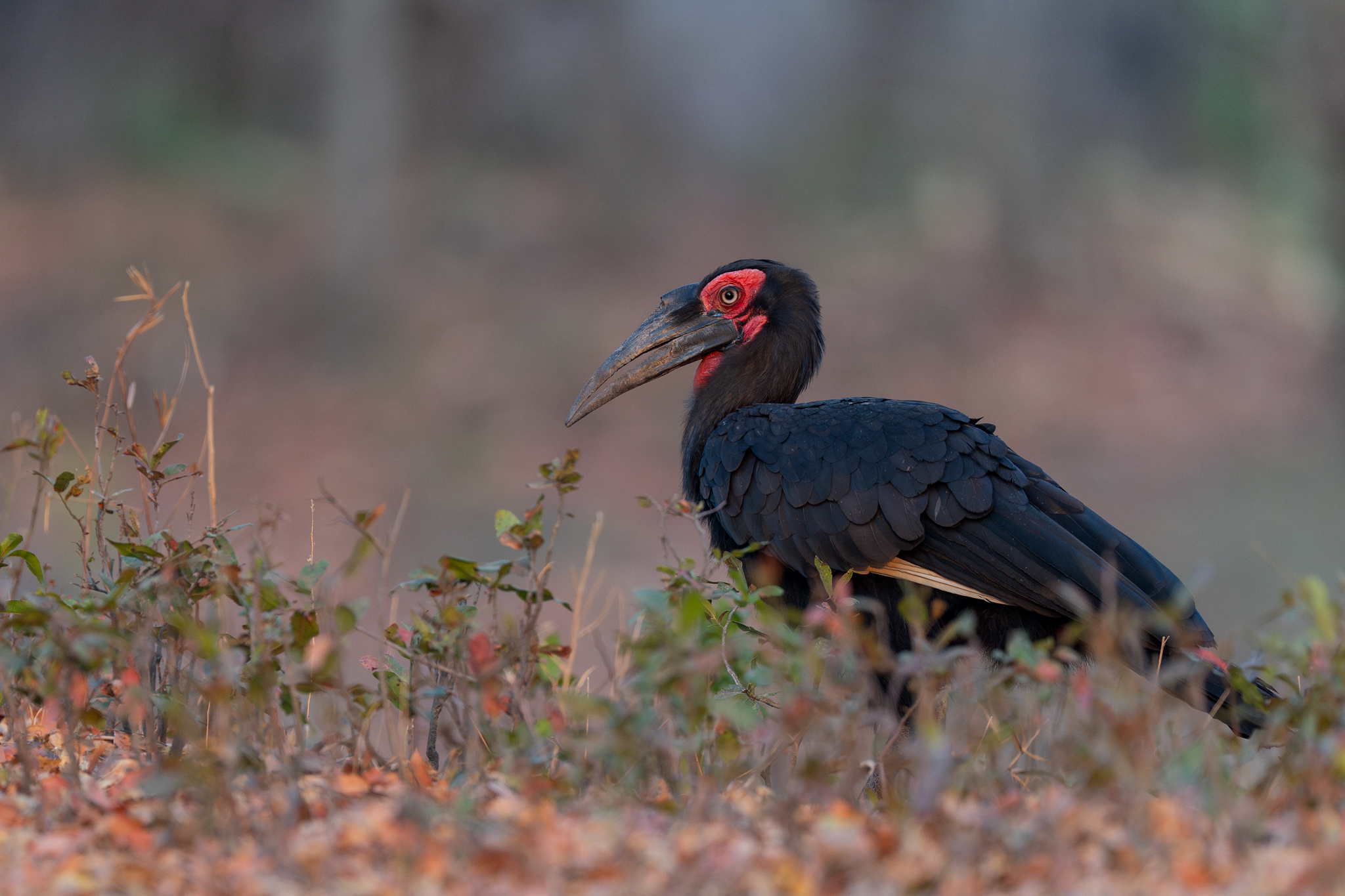
Southern Ground Hornbill

  • South Luangwa acts as a vital sanctuary for this „Vulnerable” species, providing some of the most consistent sightings in Africa of these charismatic birds, often found patrolling in family groups of three to five.
  • Unlike skittish canopy birds, they are bold, terrestrial giants that are confident around vehicles, often allowing visitors to observe their slow, deliberate walk along the park’s tracks as they scan for food.
  • They are voracious carnivores that use their massive black bills to hunt cooperatively, taking down surprisingly large prey such as puff adders, lizards, and tortoises found in the grassy plains.
  • While distinctively visual with their bright red throat wattles, they are often heard before they are seen, emitting a deep, booming dawn call that is famously mistaken for the roar of a lion.

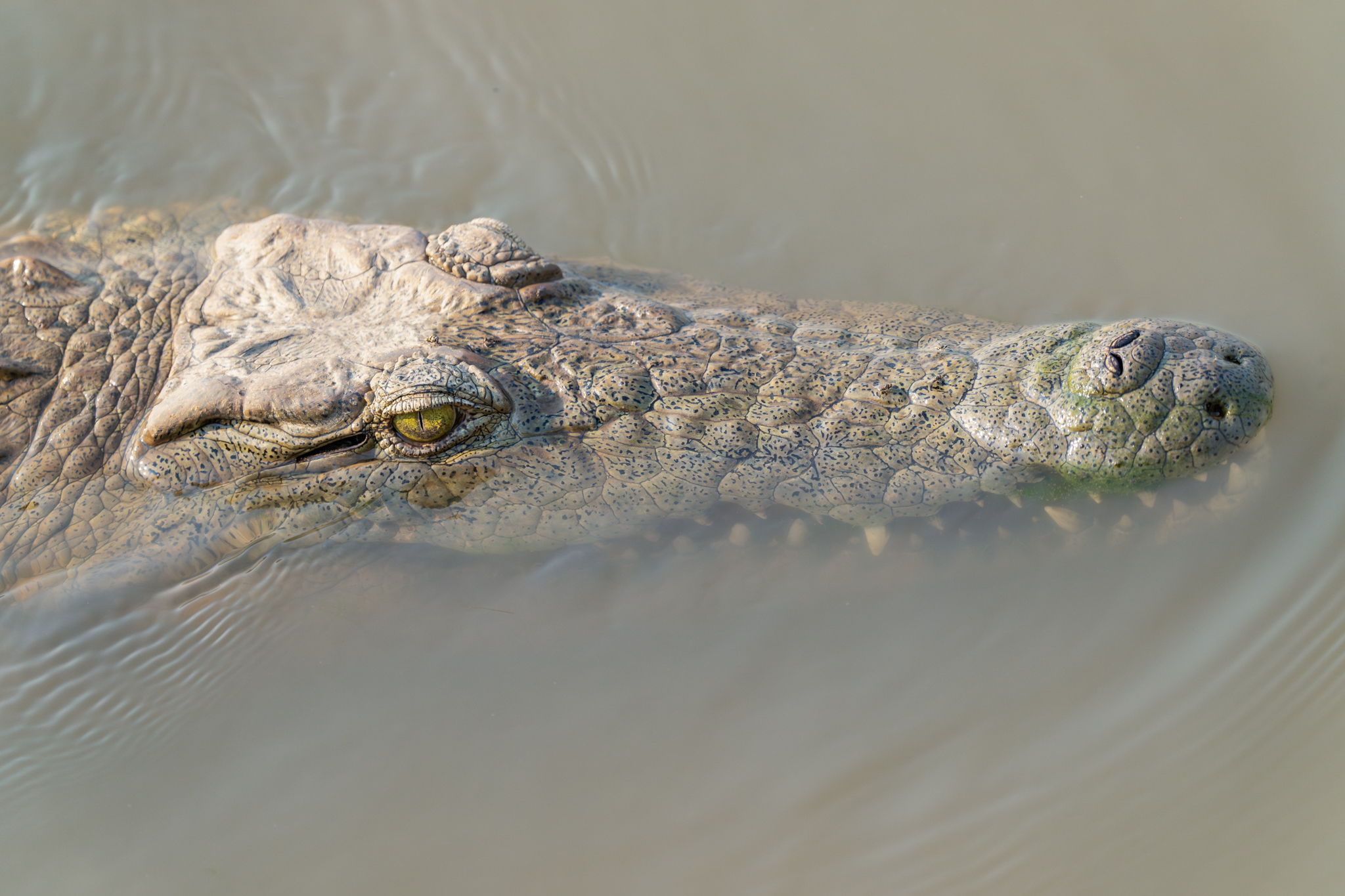
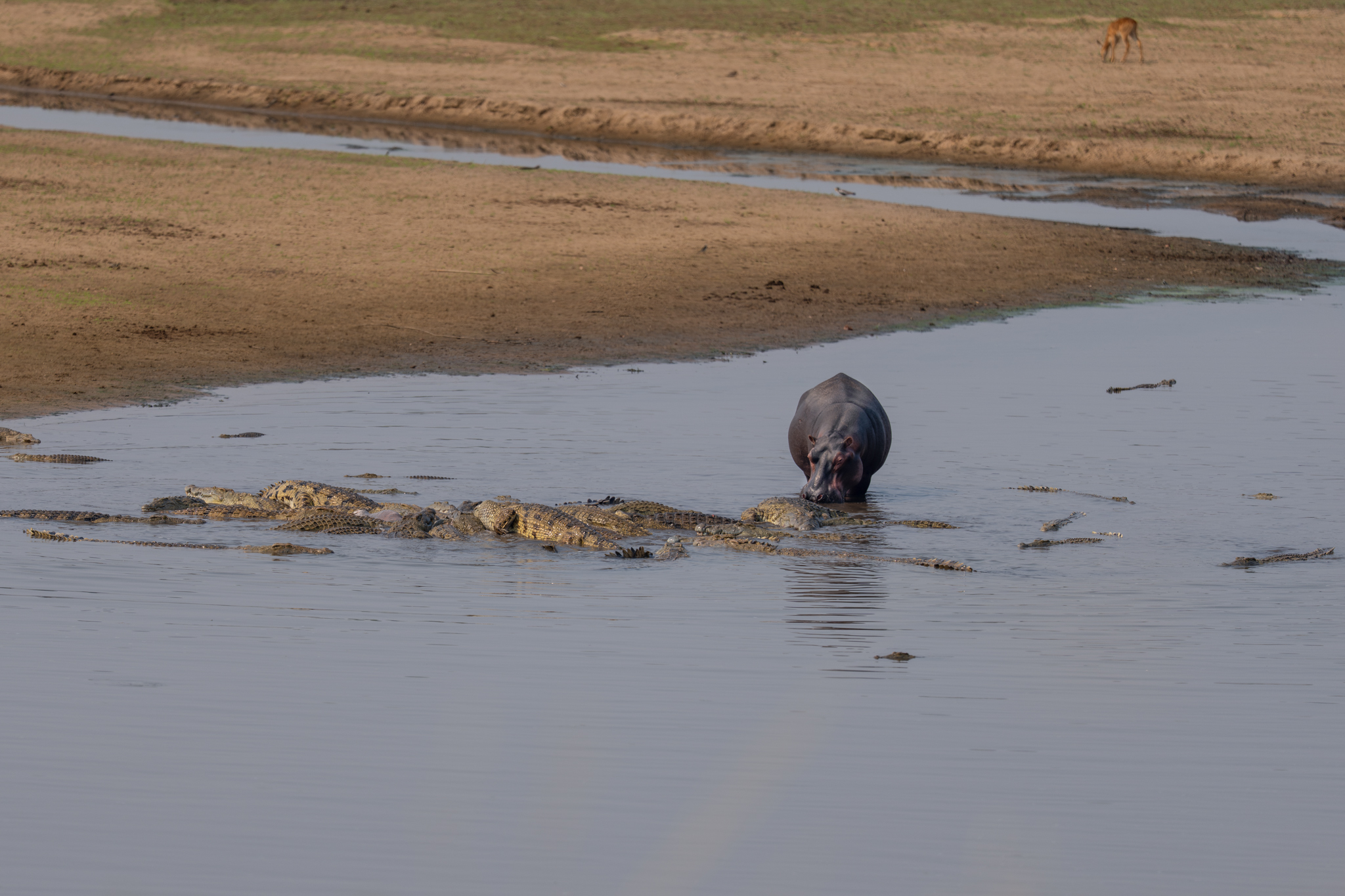
Nile Crocodile

Nile Crocodile

  • High Density: South Luangwa is famous for its incredible density of crocodiles; during the dry season as water levels drop, you can often see dozens of them crowded together in the remaining river bends and lagoons.

  • Living Fossils: These reptiles have remained virtually unchanged for over 200 million years, making them highly effective predators perfectly adapted to the Luangwa River ecosystem.

  • Temperature-Dependent Gender: The gender of their hatchlings isn’t determined by genetics but by the nest’s temperature—warmer nests (around 32–33°C) produce mostly males, while cooler or hotter temperatures result in females.

  • Incredible Bite Force: They possess one of the strongest bites in the animal kingdom, capable of crushing bone with ease to take down large prey like buffalo or thirsty antelopes at the water’s edge.

 
P.S. While we didn’t spot many other reptiles in Zambia, crocodiles were everywhere! It seemed like every single pond or puddle had a resident croc. Their presence, along with the hippos, made getting down to eye level with the waterfowl practically impossible.
What We Learned: A Photographer's Guide to Safari

After 10 days in the bush, here are few key takeaways about gear, strategy, and the safari experience.

Gear & Equipment

The Flight-Compliant Bag

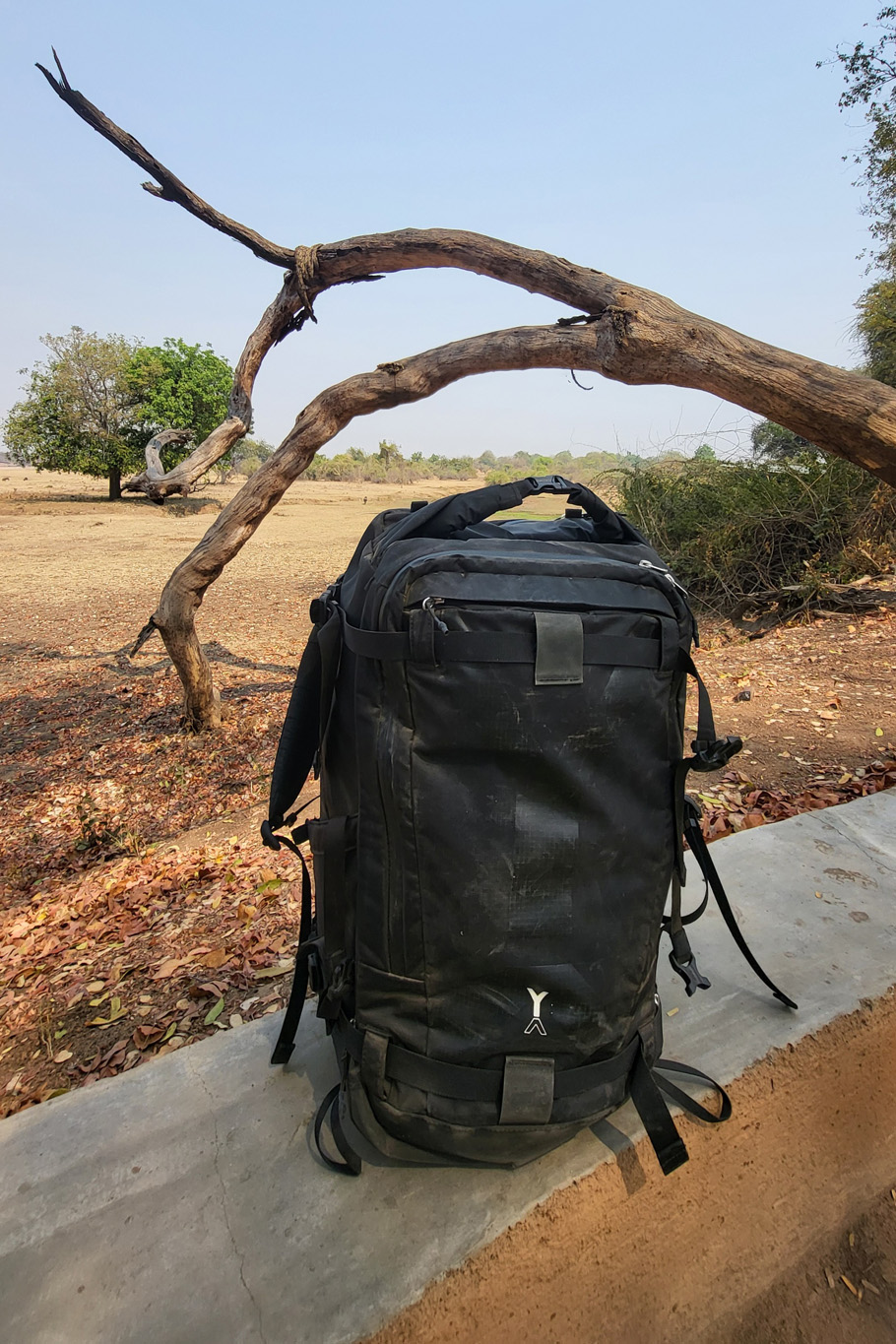
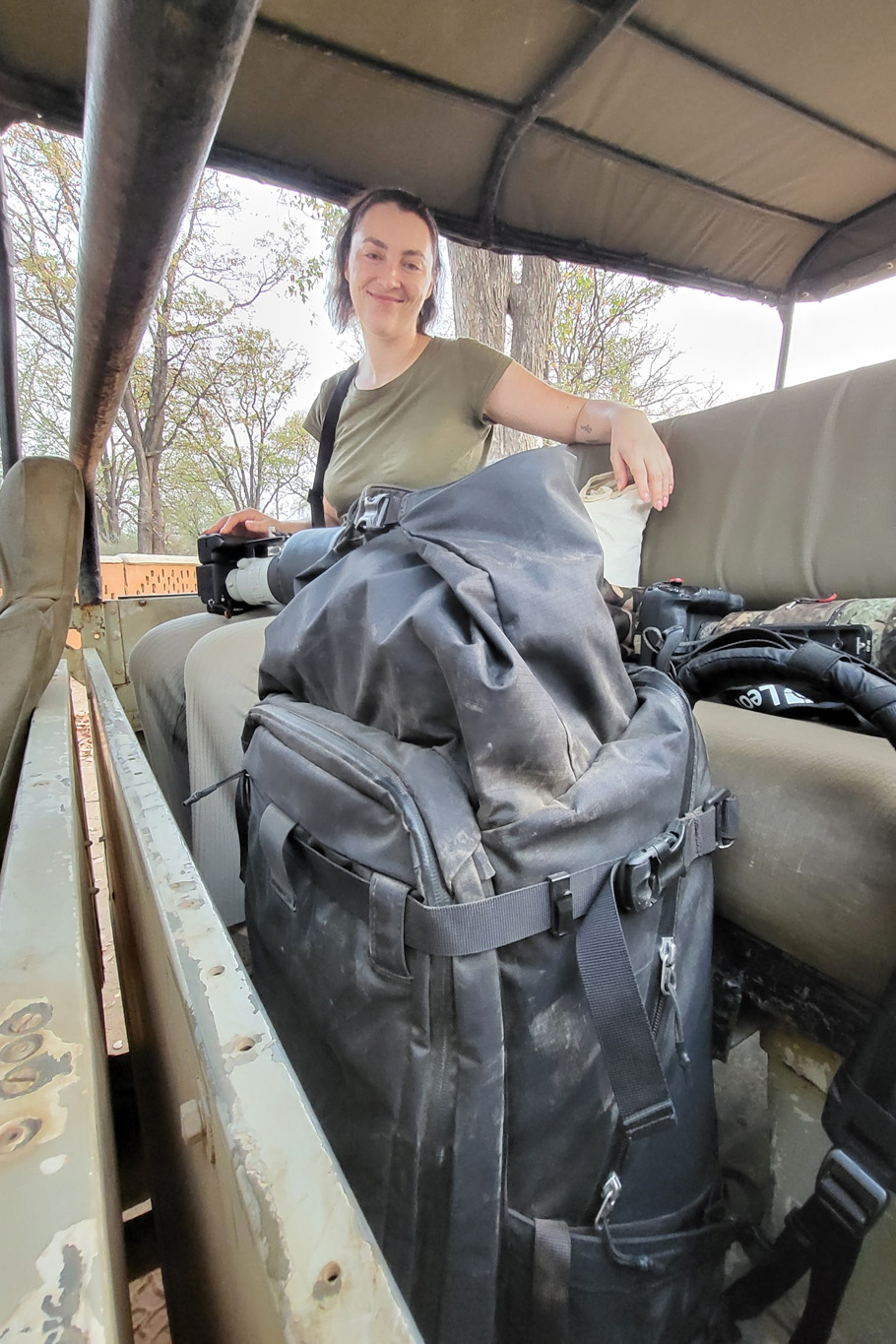
The Nya-Evo backpack was a massive hit. Its top access and roll-top design provided perfect storage for small essentials (glasses, cables, lens caps) while keeping the heavy gear safe. Best of all, it fit in the overhead bin.

The Flight-Compliant Bag

The Nya-Evo backpack was a massive hit. Its top access and roll-top design provided perfect storage for small essentials (glasses, cables, lens caps) while keeping the heavy gear safe. Best of all, it fit in the overhead bin.

Battery Anxiety is Overrated

We stressed too much about power. Even without electricity in the jeep, running two batteries per camera was enough for a full morning or afternoon session. We simply recharged at the lodge during the midday break and at night.

Jeep Rigging

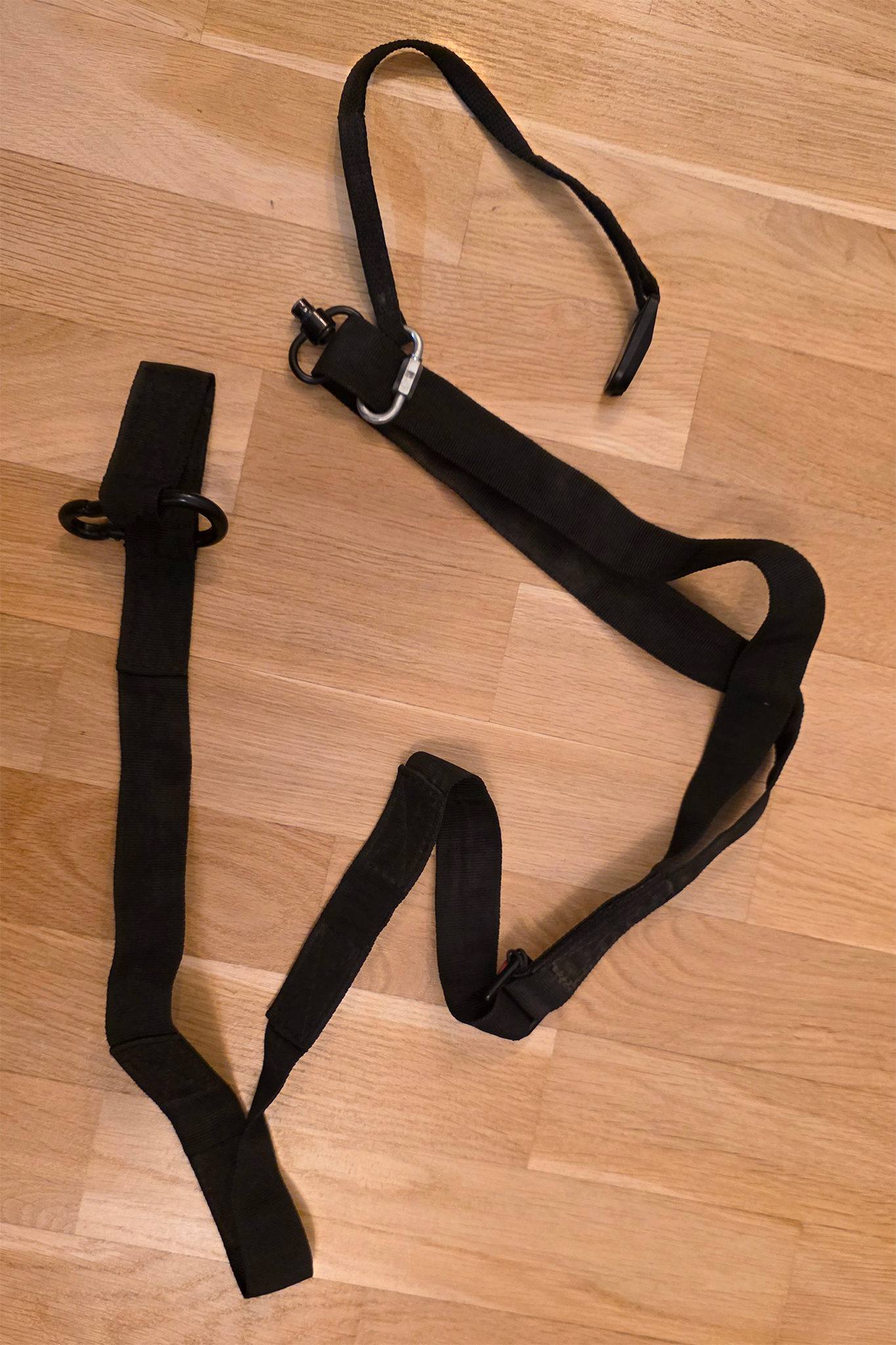
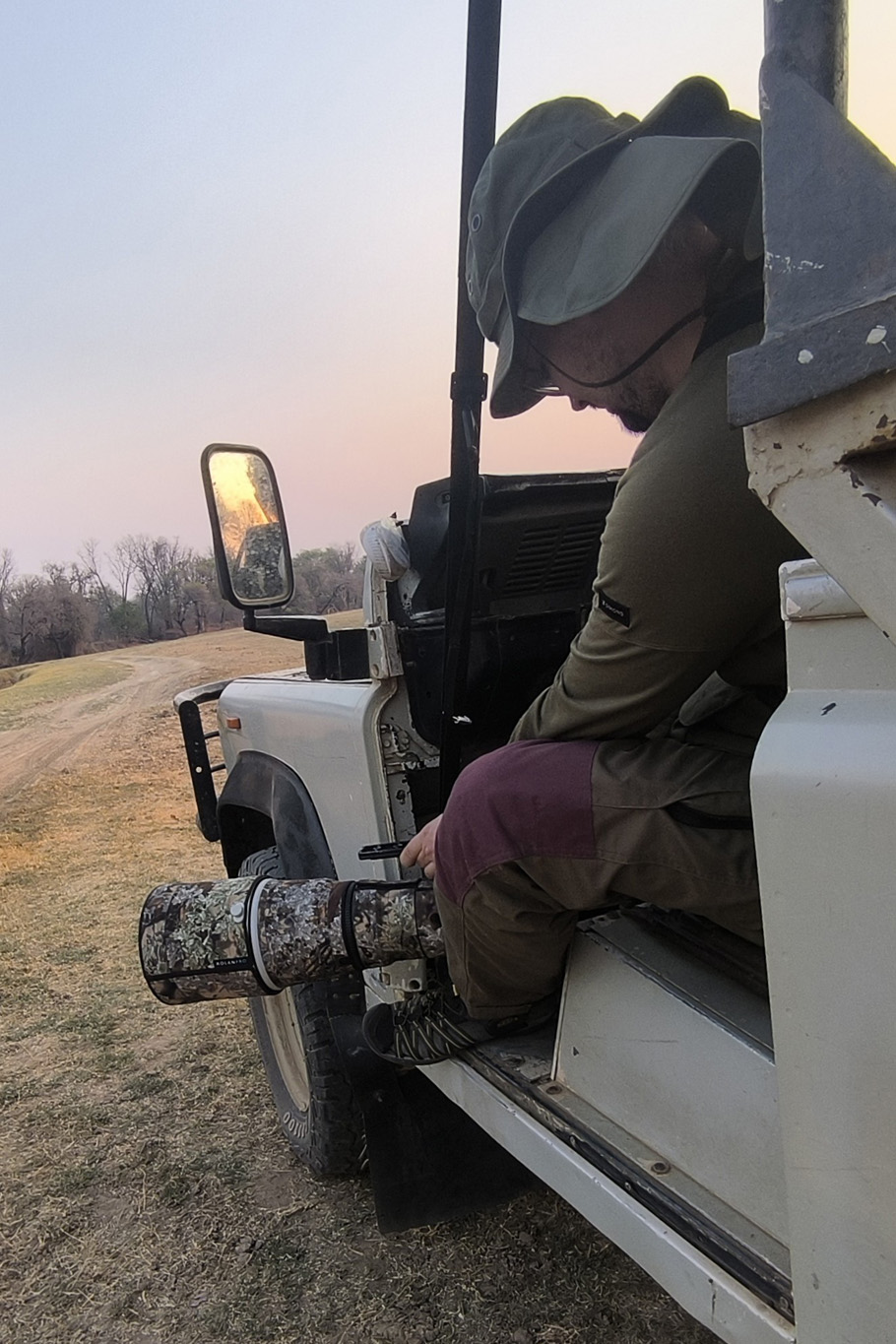
We brought 2.2m custom camera straps to hook onto the jeep’s roll bars. This was great for the passenger next to the driver, allowing them to hang the camera low for eye-level shots. (Tip: We guessed the length almost perfectly, but an extra 10cm more of the webbing would have been ideal.)

The Inverted Monopod

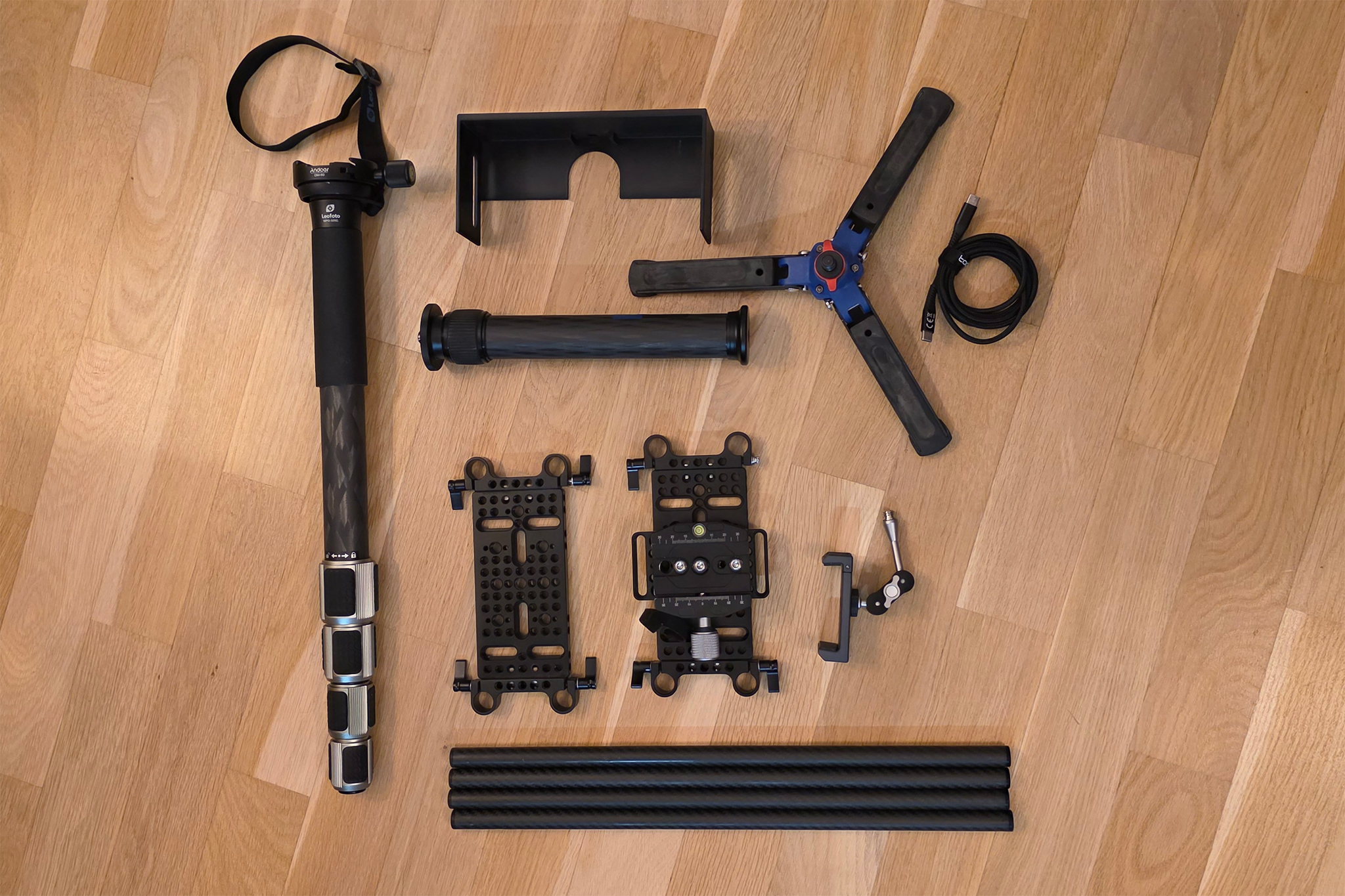
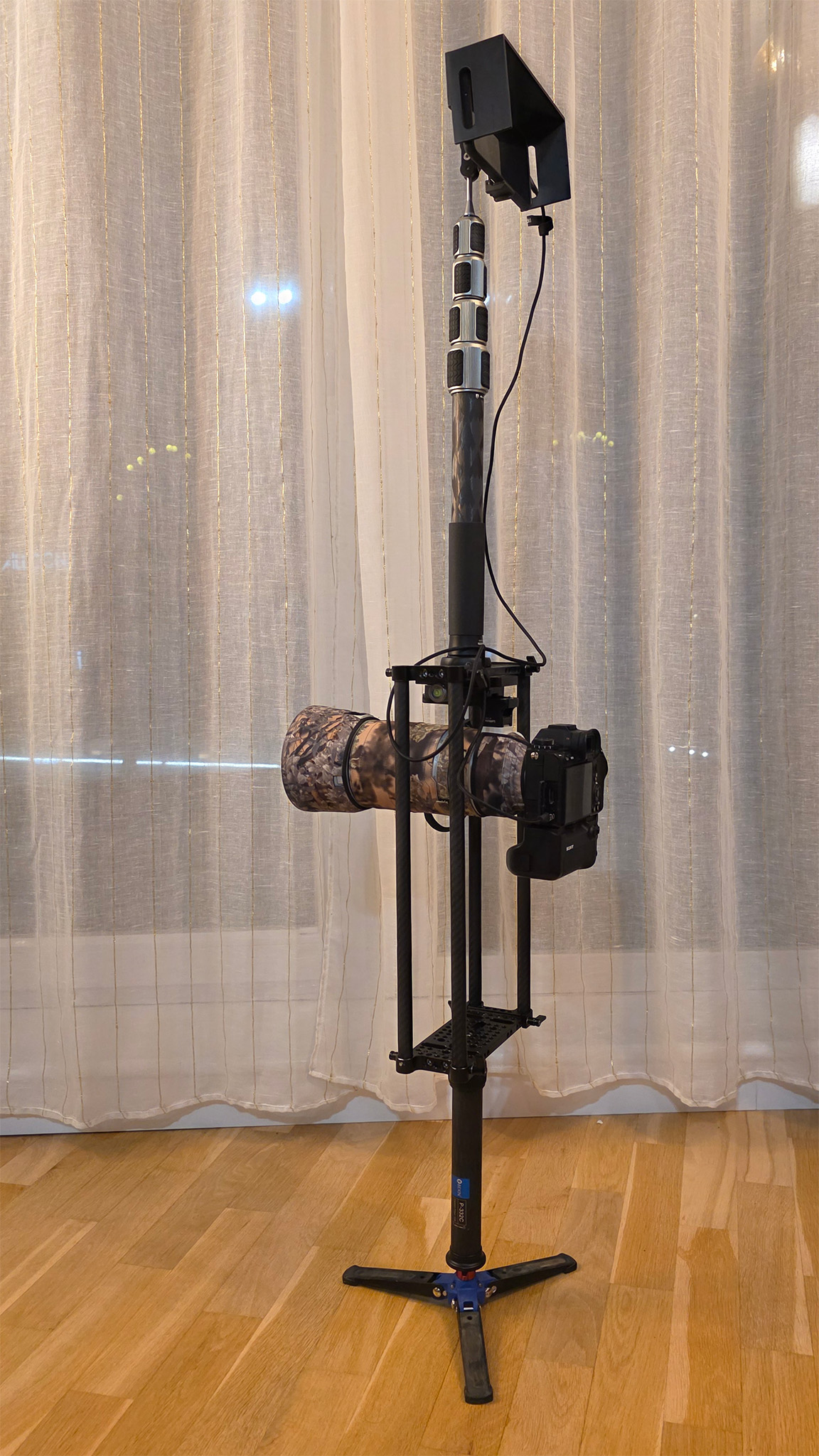
We brought a monopod with an inverted cage for low-angle shooting outside the jeep. While we didn’t use it as often as we hoped, the shots we did get with it were unique. It’s definitely coming with us next time.


Check out the slides for the full details.


P.S. Jeep rigging info is on the final slide.

Jeep Rigging

We brought 2.2m custom camera straps to hook onto the jeep’s roll bars. This was great for the passenger next to the driver, allowing them to hang the camera low for eye-level shots. (Tip: We guessed the length almost perfectly, but an extra 10cm more of the webbing would have been ideal.)

Focal Length Sweet Spot

We found that 300mm was often the perfect focal length. Super-telephotos (500mm+) can sometimes be too tight, cutting out the beautiful environmental context of the park. However, for bird photography nothing beats those super long focal lengths. There are no ways of using hides, camouflage is prohgibited by law and most of the time you are bound to stay in the jeep. 

Be Ready for Anything

Always have a second body with a different lens (like a 70-200mm) ready at your side. You never know when a hyena will appear right next to the car door!
Memory Cards & Storage

Earlier this year, we upgraded our storage game. We knew from experience that Wanda can fill two 320GB cards in a mere two hours of intense shooting. To avoid wasting time and card management headakes, we invested in massive 1.6 TB Novachip cards. We stress-tested them for three months before the trip, and they performed flawlessly. Our smaller Lexar cards were relegated to emergency backups—just in case technology decided to fail us.

The 3-2-1 Backup Rule

Paranoia is a photographer’s best friend. We adhered to a strict backup strategy: one copy on the laptop and two copies on separate 2TB SSD drives. This redundancy meant that even if a drive failed or a bag was stolen, our images would survive. However, the 2TB limit on our drives meant we couldn’t just dump everything; we had to be disciplined about culling our shots every single day.

The Daily Grind: Culling in the Bush

Processing images in the bush is a different beast than at home. We were working on a slim, power-efficient travel laptop that struggled with the sheer volume of data. Our savior was FastRawViewer software, which allowed us to fly through thousands of RAW files without choking the system. It was still a chore—scrolling through images after a long, hot game drive requires serious discipline—but it was necessary to stay organized. We didn’t touch Lightroom once; all serious editing was saved for the bit more powerful desktop PC back home.

Merino Clothing

Despite the high price tag and skepticism about durability, we invested in long-sleeved merino wool shirts. This turned out to be our best gear decision. Not only did they protect us from the harsh sun, but their odor-resistant properties meant they stayed fresh despite the heat. We wore them exclusively for drives, switching to cotton when relaxing back at camp.

Shooting Strategy

Mastering wildlife photography in South Luangwa requires more than just a long lens; it demands a tactical approach to the unique environment. We quickly realized that adapting our shooting style to the rhythm of the bush was the only way to capture truly compelling images.

  • Patience vs. Movement: You face a choice: drive around to see more animals (good shots, but maybe not unique), or sit in one spot and wait. The „banger” shots usually require staying in one location for a long time to understand the light and animal behaviour. As it was our first serious safari we leaned a bit toward the first approach. We guess you can see that in our photographs. For sure we will have more target-focused approach in our next trips, if they ever happen. 
  • Light is Fleeting: Good light in Africa comes fast and dies fast. Sightseeing is fine at noon, but serious photography is a challenge in the harsh midday sun. Morning safaris were consistently our most productive times.
  • Perspective is King: The hardest part of a vehicle-based safari is getting that coveted eye-level shot. It’s significantly easier when you have the car to yourself, as you can ask the driver to position the vehicle precisely. Unlike the rolling hills of the Mara or Serengeti, South Luangwa is generally flat, meaning you rarely find animals perched on mounds above you. This made our custom straps and 'inverted monopod’ essential tools for getting the camera low enough to create compelling, intimate compositions.
  • Know the Land: By staying in one park for 10 days, we actually learned the routes and territories. There is a great feeling in knowing what might be around the next bend.

The Experience

Beyond the camera settings and lens choices, the mental aspect of a ten-day safari plays a huge role in your creative success. Understanding the physical realities and emotional highs and lows of the bush is essential for enjoying the journey.

  • Manage Expectations: Reading about the specific park beforehand is crucial. Knowing that South Luangwa is „leopard country” helped us set realistic goals. 
  • It’s Physically Demanding: The shifting temperatures, bumpy roads, and adrenaline make safari surprisingly strenuous. Coming from Poland’s chilly autumn, this was intense. We expected cold mornings, but it turned out to be incredibly hot all day and even through the night. Be easy on yourself.
  • Embrace Failure: You will miss shots. The lions might be sleeping. The light might be bad. That’s nature. The experience of being there is what counts.

End Of The Journey

Returning to the concrete reality of home, the dust of South Luangwa has washed off, but the lesson remains vivid: a world-class wildlife photography experience is more accessible than you think. You don’t need a massive tour operator or an unlimited budget-just preparation, the right gear, and a willingness to embrace the heat. This trip proved that a self-organized safari isn’t merely a budget-friendly alternative, but a way to reclaim the adventure. Due to our time constraints and the fact that this trip was our main holiday, the option we chose was not the most economical one. If you have more time, and preferably a larger group of friends, overlanding in a 4×4 or using public transport and staying in a tent is even a much more budget-friendly alternative.

By stripping away the complex logistics of multi-camp tours, we found a rhythm that we both enjoyed and allowed us to connect with the „Valley of the Leopard.”

From the chaotic colors of the Carmine Bee-eater colonies to the silent, golden gaze of a leopard in the undergrowth, South Luangwa delivered on every promise. For anyone hesitating to book that flight to Lusaka: pack your bags, protect your gear and go for it. The light is waiting.

Wanda and Michal

P.S. Love the photography in this post? Make sure to head over to our Instagram and give us a follow! We’ve already shared many shots from this trip, with plenty more to come. While we might take a brief break from safari content, we are already dreaming of our return to Africa for an even wilder adventure!