Chasing Light in the Valley of the Leopard: Our 10-Day Zambian Safari

Africa has been a dream of ours for a long time. While we had visited Kenya and Sri Lanka in the past, we were limited then by compact cameras and standard lenses. We knew that to truly capture the soul of the continent, we needed to return properly equipped.

As years went by, we invested in our first telephoto lenses and honed our wildlife photography skills in the fields near our hometown. Africa, however, was never far from our thoughts. After a long period of saving and waiting for the right moment, we finally realized that a self-organized photographic expedition was within reach. We researched lodges, entry fees, and flight costs, and when affordable tickets to Zambia appeared, we bit the bullet.

The Story

The Mission: Focus and Simplicity

We decided to organize the trip ourselves, which proved much cheaper than hiring a hosted tour. Since this was our first major safari in years, we adopted a simple strategy: one location, zero transfers. We wanted to maximize our time behind the lens in South Luangwa National Park rather than wasting precious hours traveling between camps.

Preparation took about eight months. We had to coordinate work schedules, confirm lodge availability, and fill gaps in our hardware. We packed spare batteries, flight-compliant backpacks, cleaning kits, custom-made straps for the jeep and even some extra 3D printed bits (lenscaps and camera hoods).

We also spent hours digging for tips on specialized forums like FredMiranda and Backcountry Gallery, alongside binge-watching relevant YouTube channels. We wanted to arrive with manageable expectations and a clear picture of what lays ahead. A huge part of this was studying the behaviour of the animals we hoped to see, ensuring we were ready to capture the best possible images when the moment arrived.

One highlight was borrowing a powerhouse setup from our friends at Sony Poland: the Sony A1 II and a 300mm f/2.8 lens. This combination turned out to be our favourite setup of the entire trip. It was nice having our own stuff, which we know and are well used to, but the gear we borrowed was the real MVP of the trip and just perfect for the safari.
The Long Road to Mfuwe

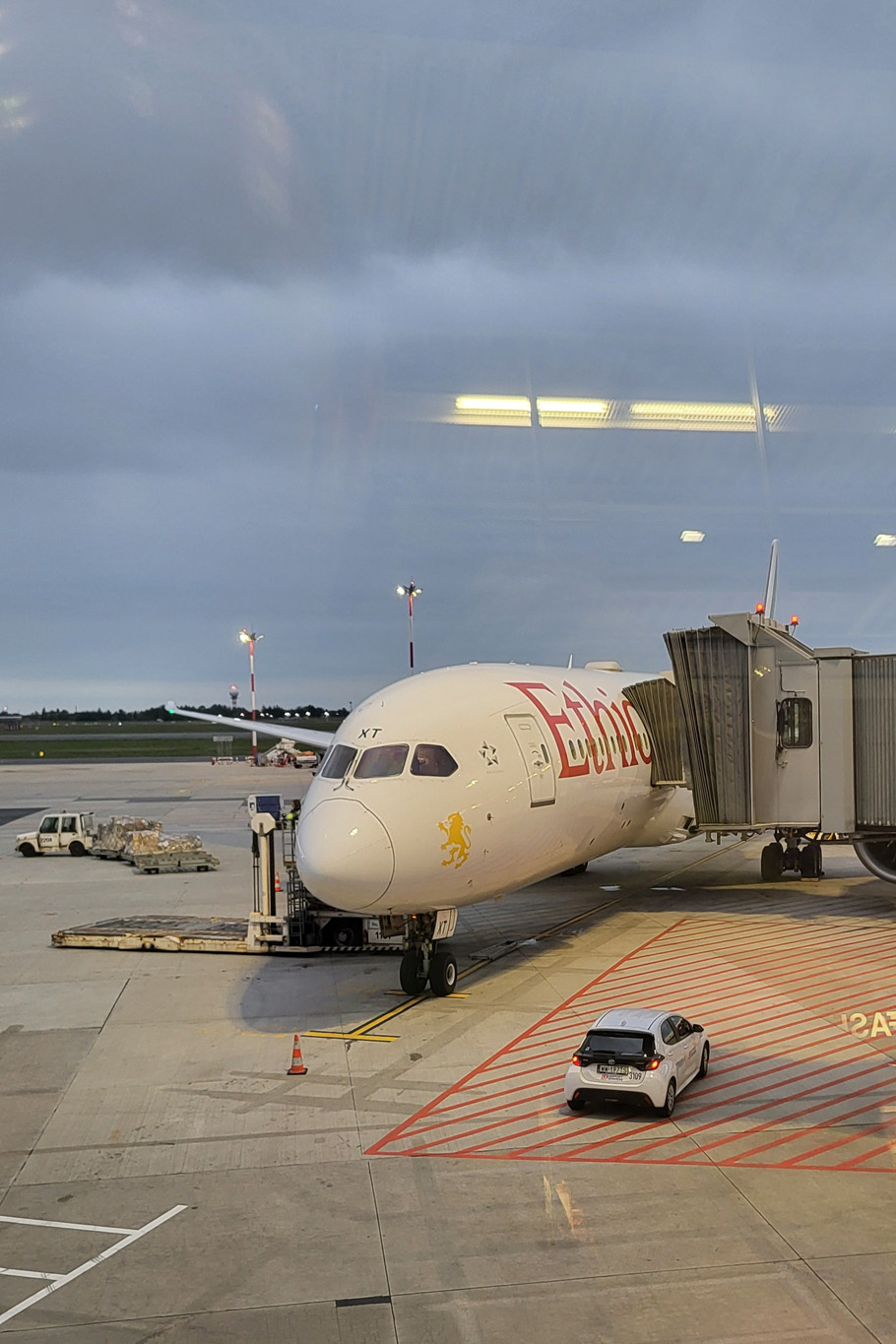
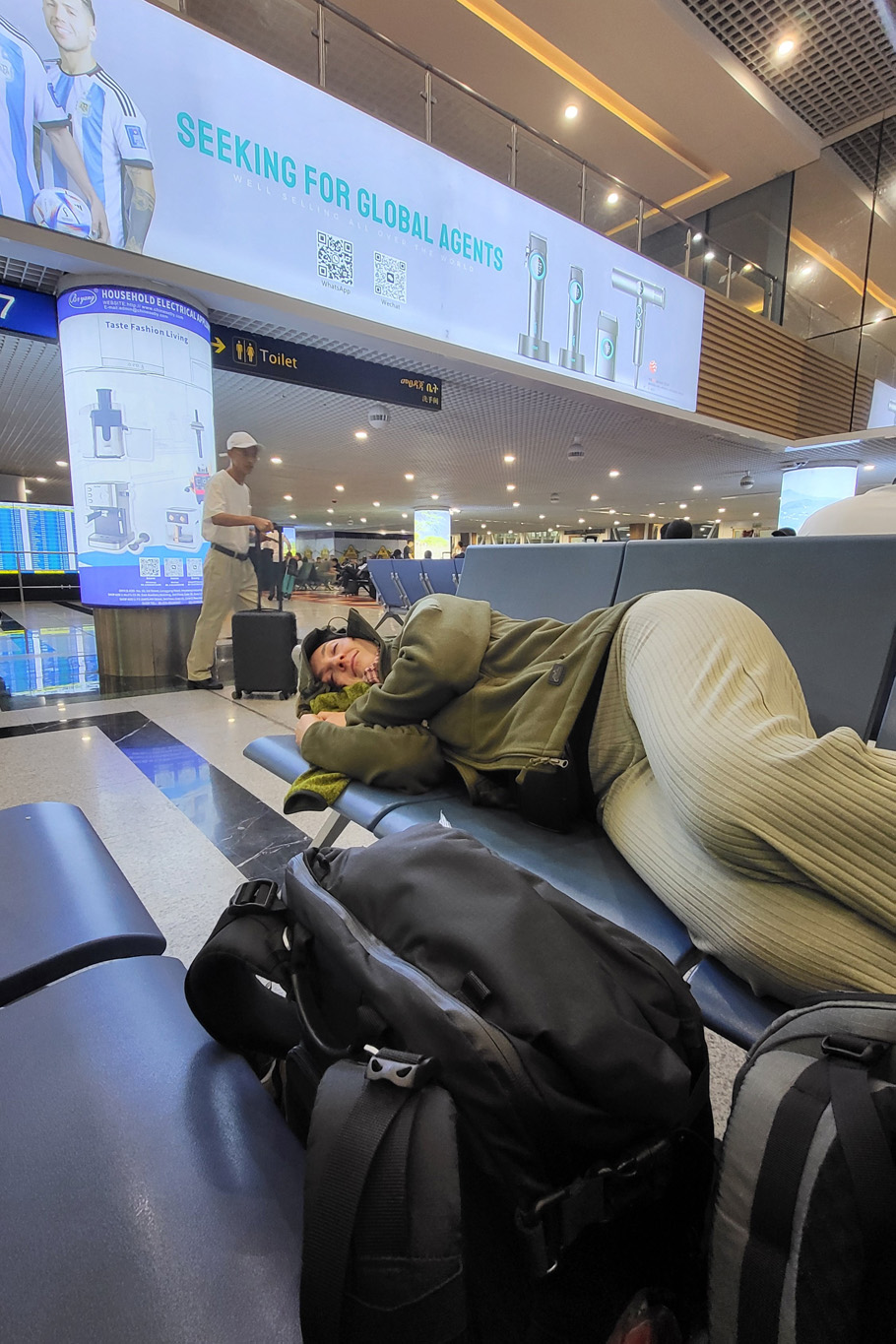
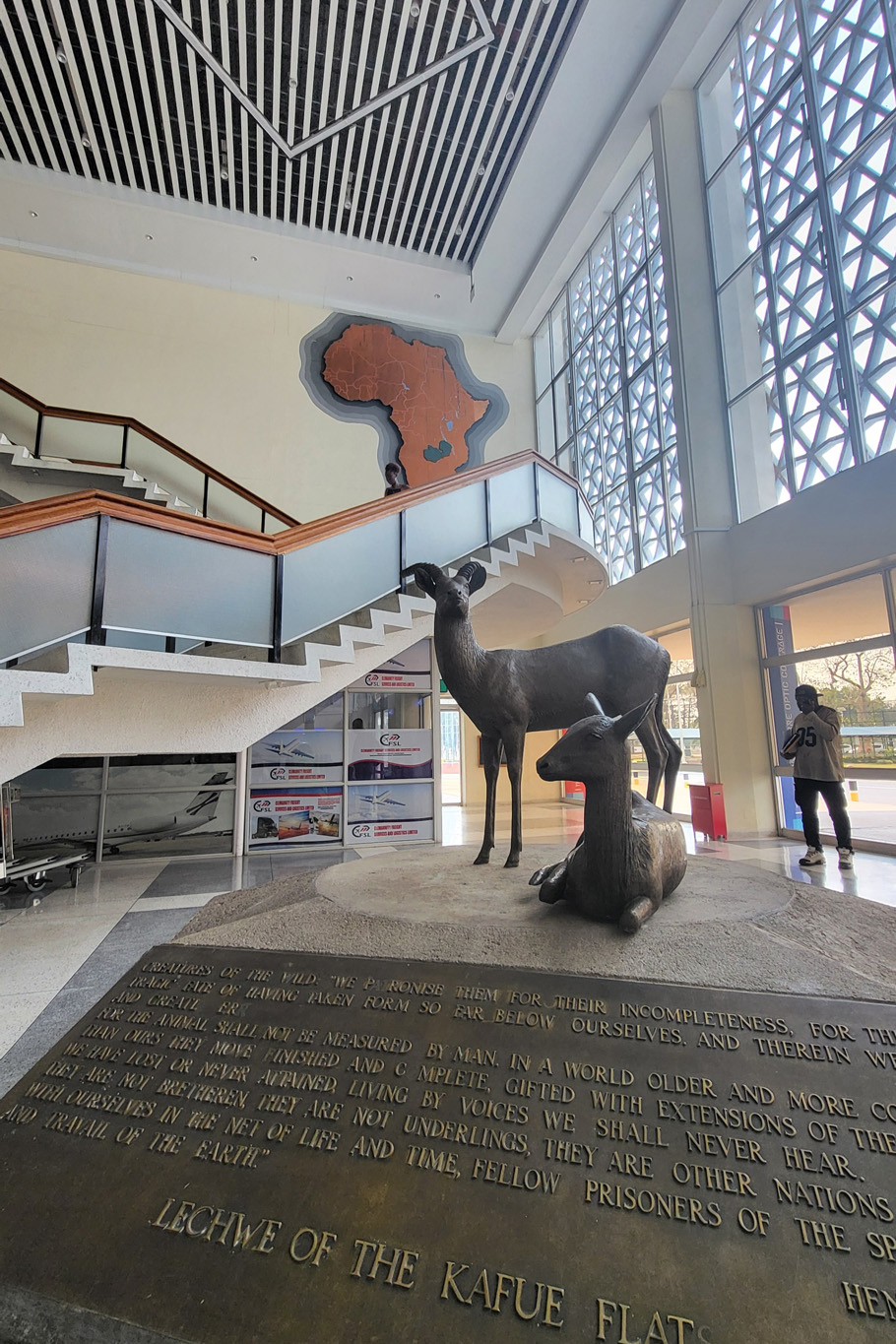
Getting to our lodge was an odyssey that took nearly 50 hours. It began with a drive to Warsaw for an overnight stay—a safety buffer to ensure car trouble wouldn’t cost us our flight. From there, we flew to Vienna, then Addis Ababa, and finally to Lusaka.

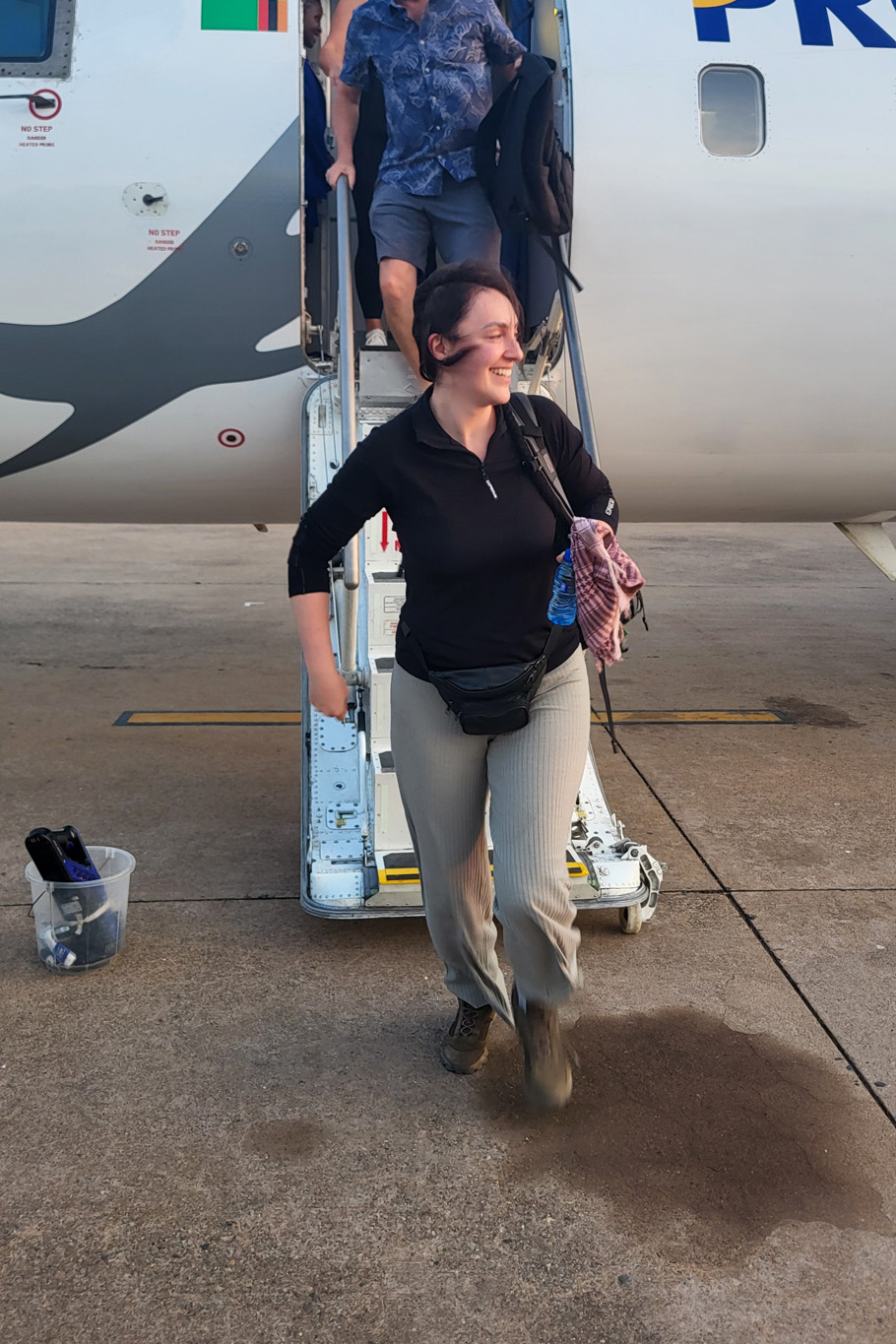
After a long layover and a much-needed cold drink, we boarded a small hour-long flight to Mfuwe. A final hour in a car brought us to Wildlife Camp Zambia.

We anticipated the physical toll of such a long journey, so we designed our itinerary to balance maximum safari time with necessary recovery. The plan was simple: arrive and immediately take a full day off to sleep and casually photograph the grounds around the camp. This was followed by a block of four standard safari days—morning and evening drives punctuated by a midday rest.

Then, we scheduled another full day off to recharge mentally and physically. For the second half of the trip, we increased the intensity: two standard days, a walking safari, and an experimental full-day expedition. The next day marked the end of our adventure. We departed camp at noon to begin the long journey home.

The Lodge Experience: Wildlife Camp Zambia

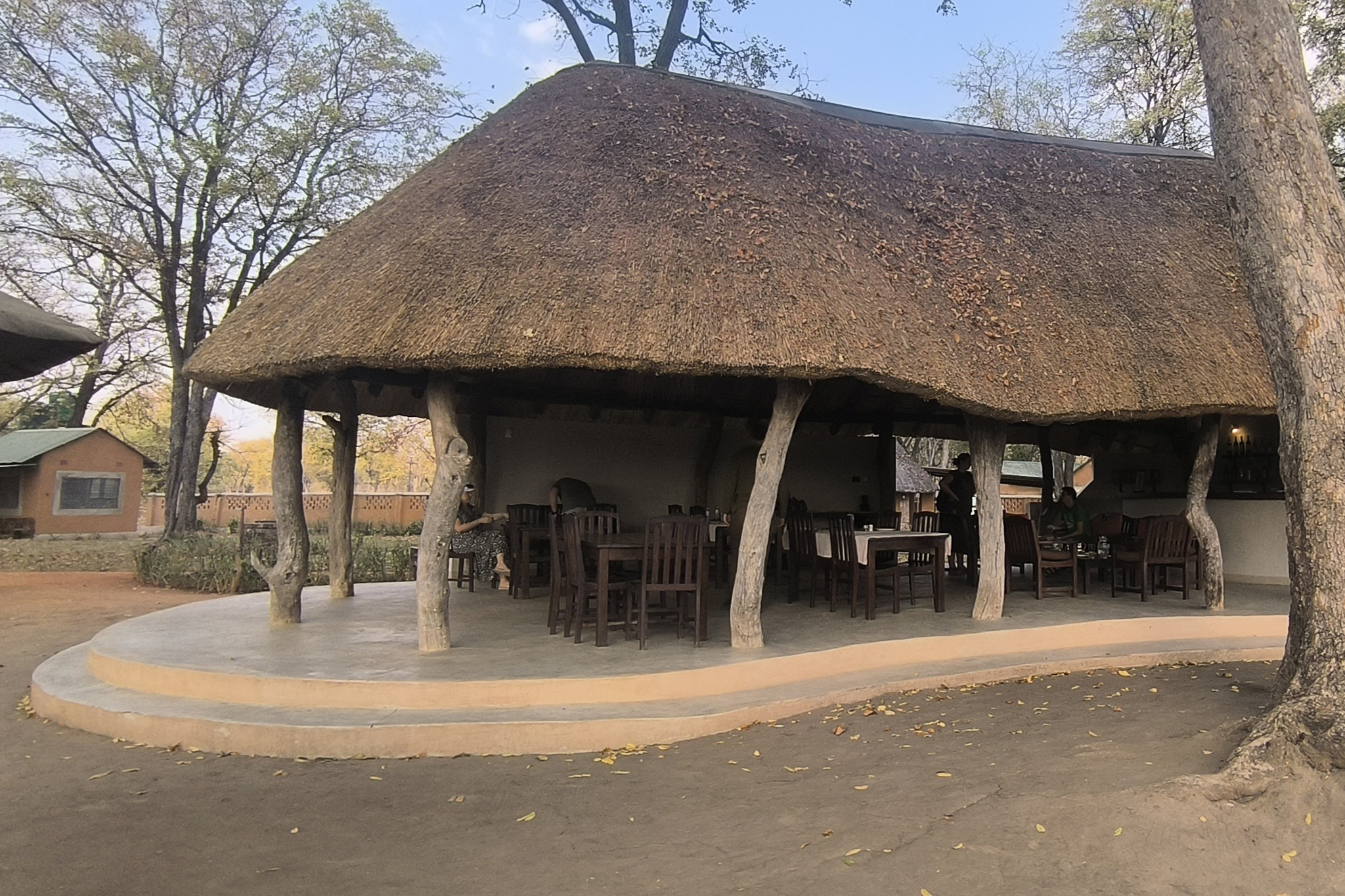
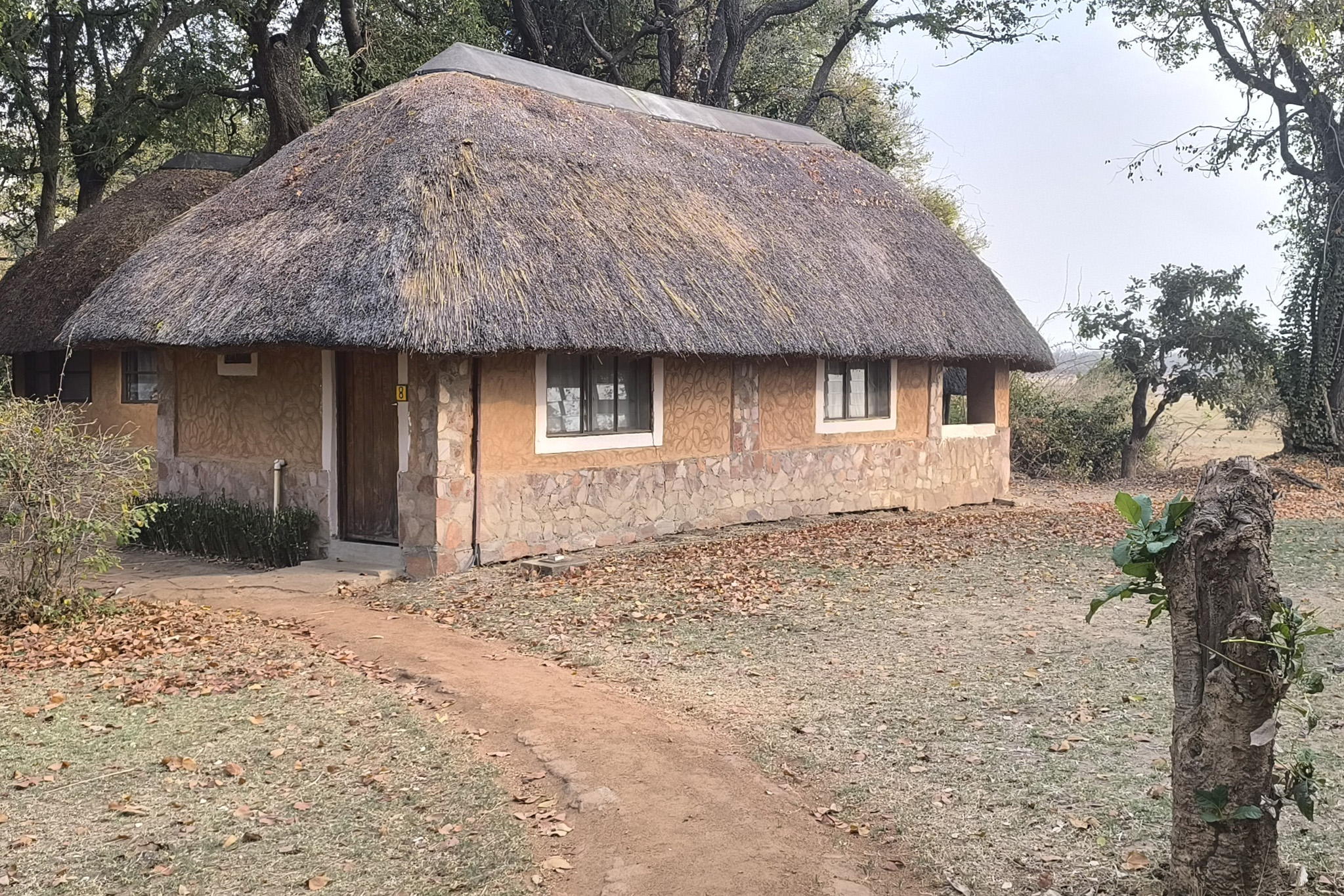
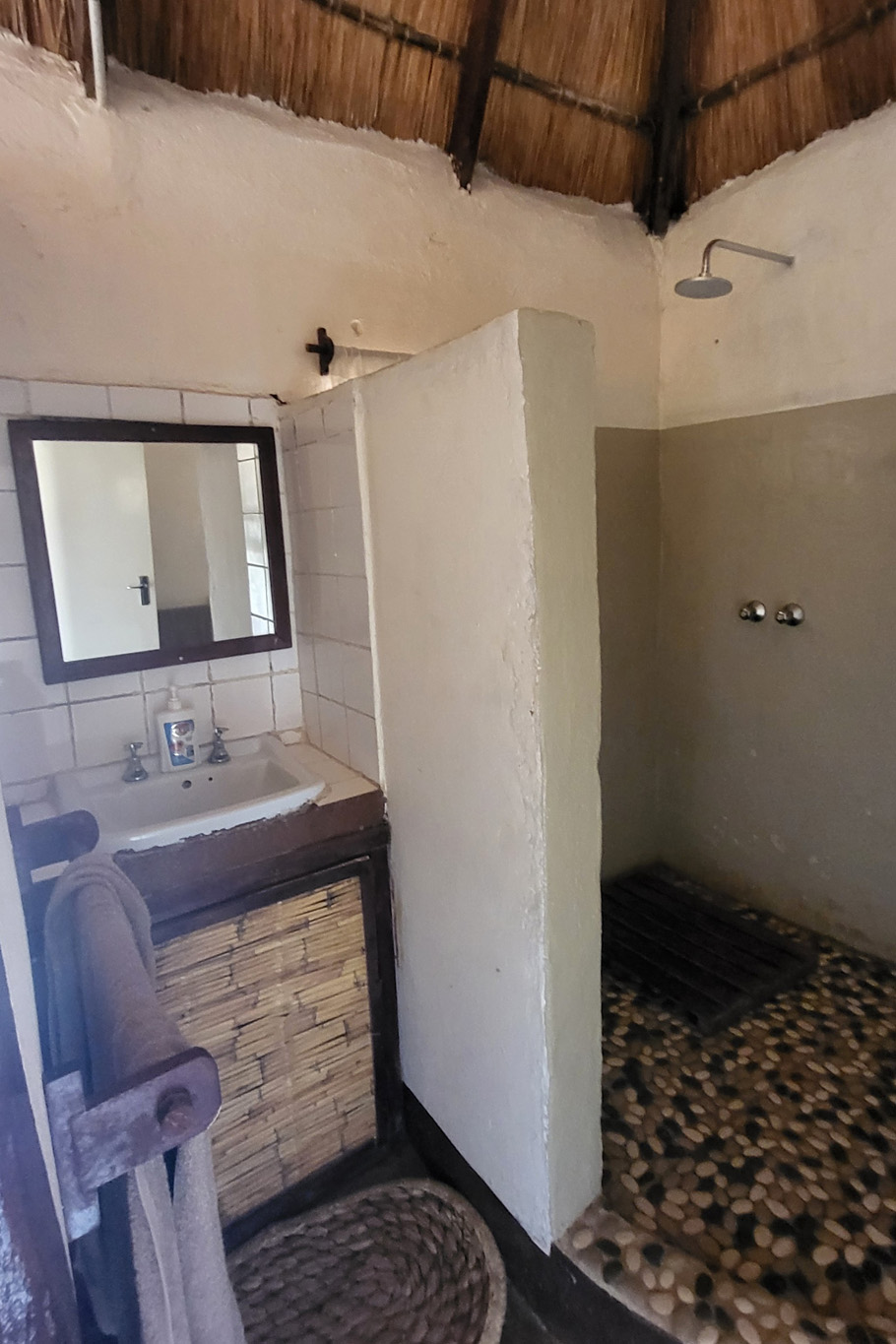
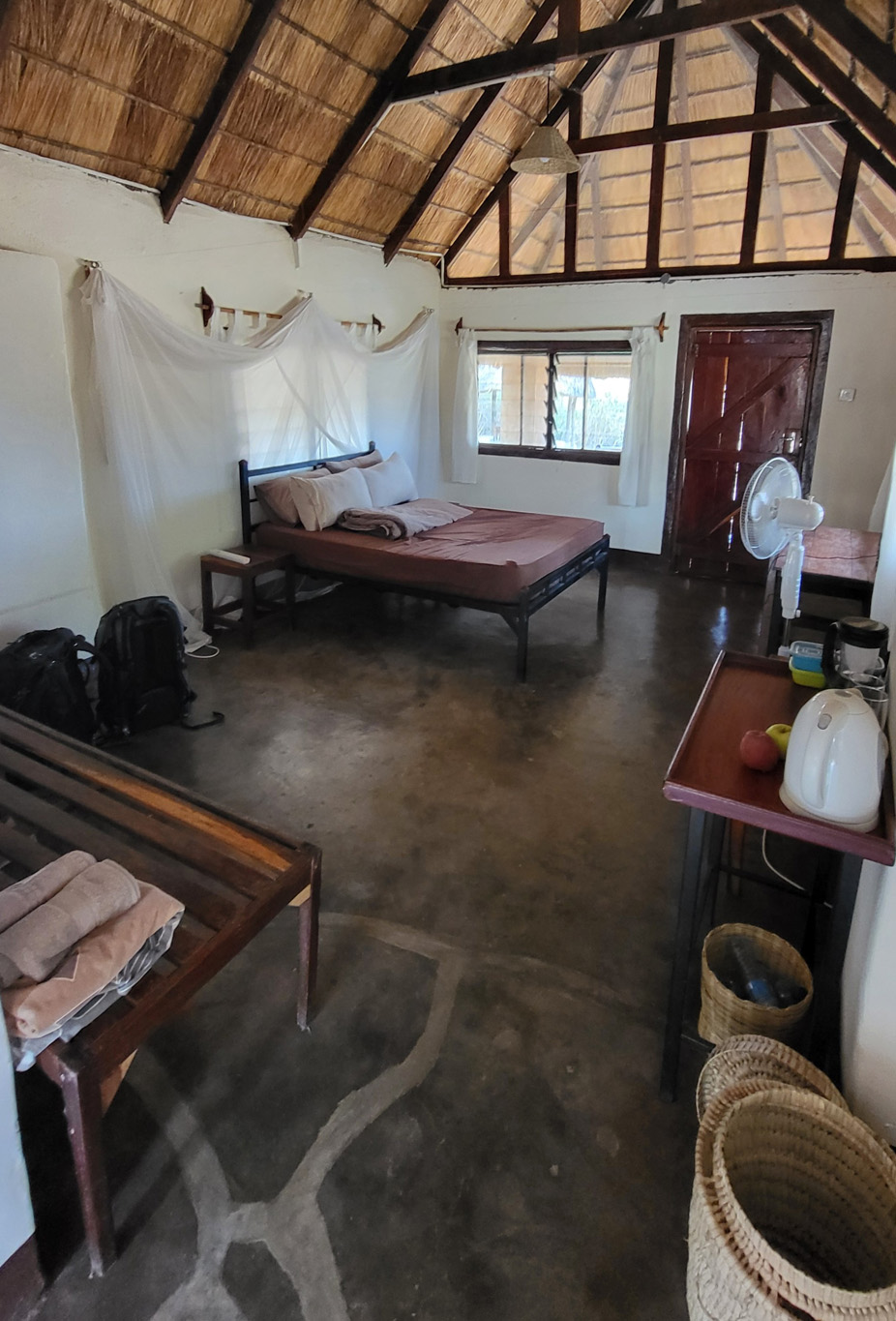
The Wildlife Camp certainly lives up to its name. Located in the middle of the bush with no fences, animals know no borders here. Upon arrival, we were handed flashlights and instructed strictly to stay close to the tent and never venture out alone at night. The atmosphere was immersive and raw, far removed from the sterile feeling of a fenced hotel.

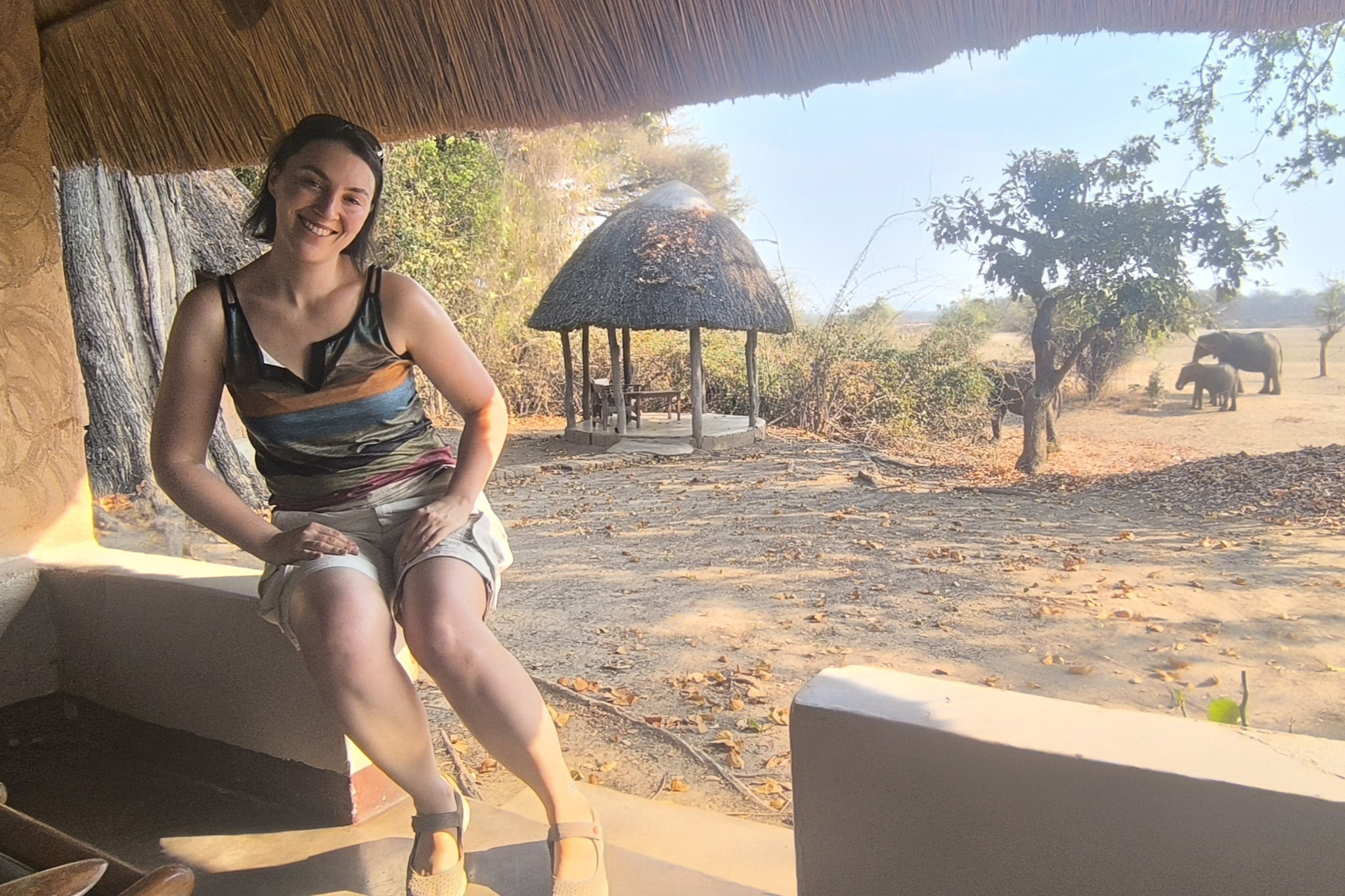
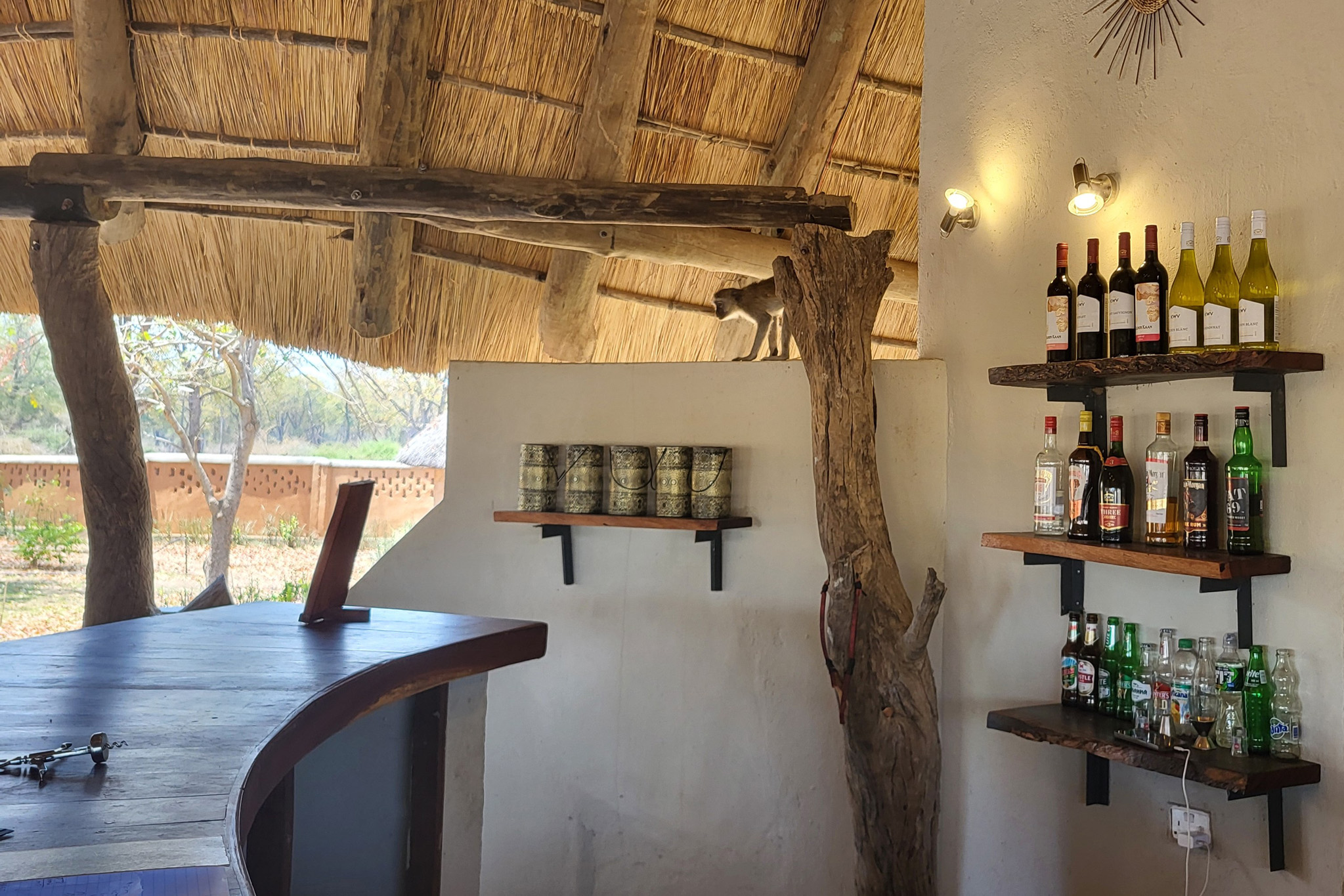
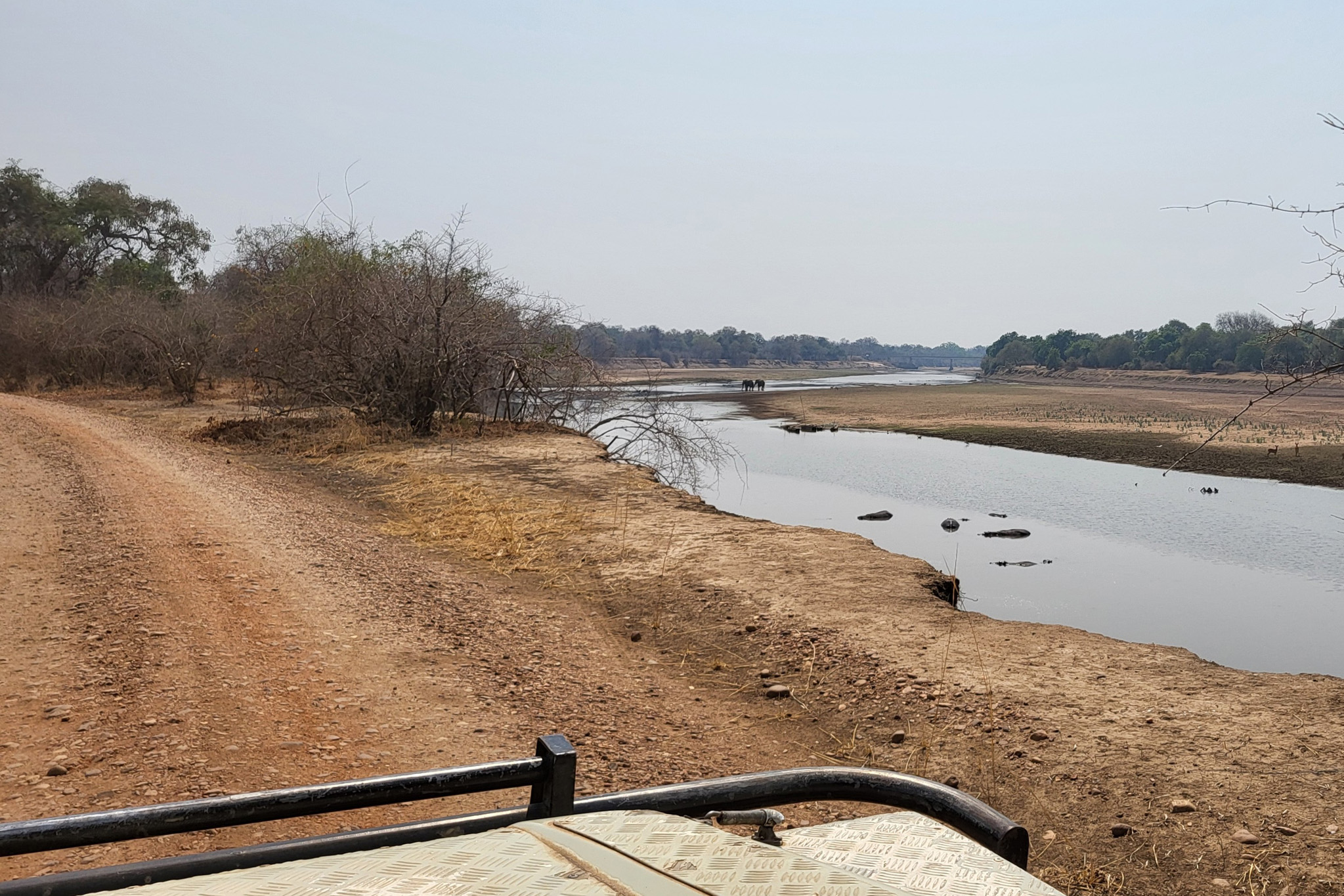
Our chalets were pitched right along the riverbank, shaded by massive indigenous trees that offered respite from the sun. The camp’s rustic bar and pool became our sanctuary during the midday heat, offering a front-row seat to the lagoon where elephants frequently crossed to find greenery.

Lying in bed at night, the sounds of the bush were amplified—the sawing cough of a leopard or the deep, vibrating grunt of hippos grazing just meters from our canvas walls became our nightly lullaby.

The Dry Season Spectacle

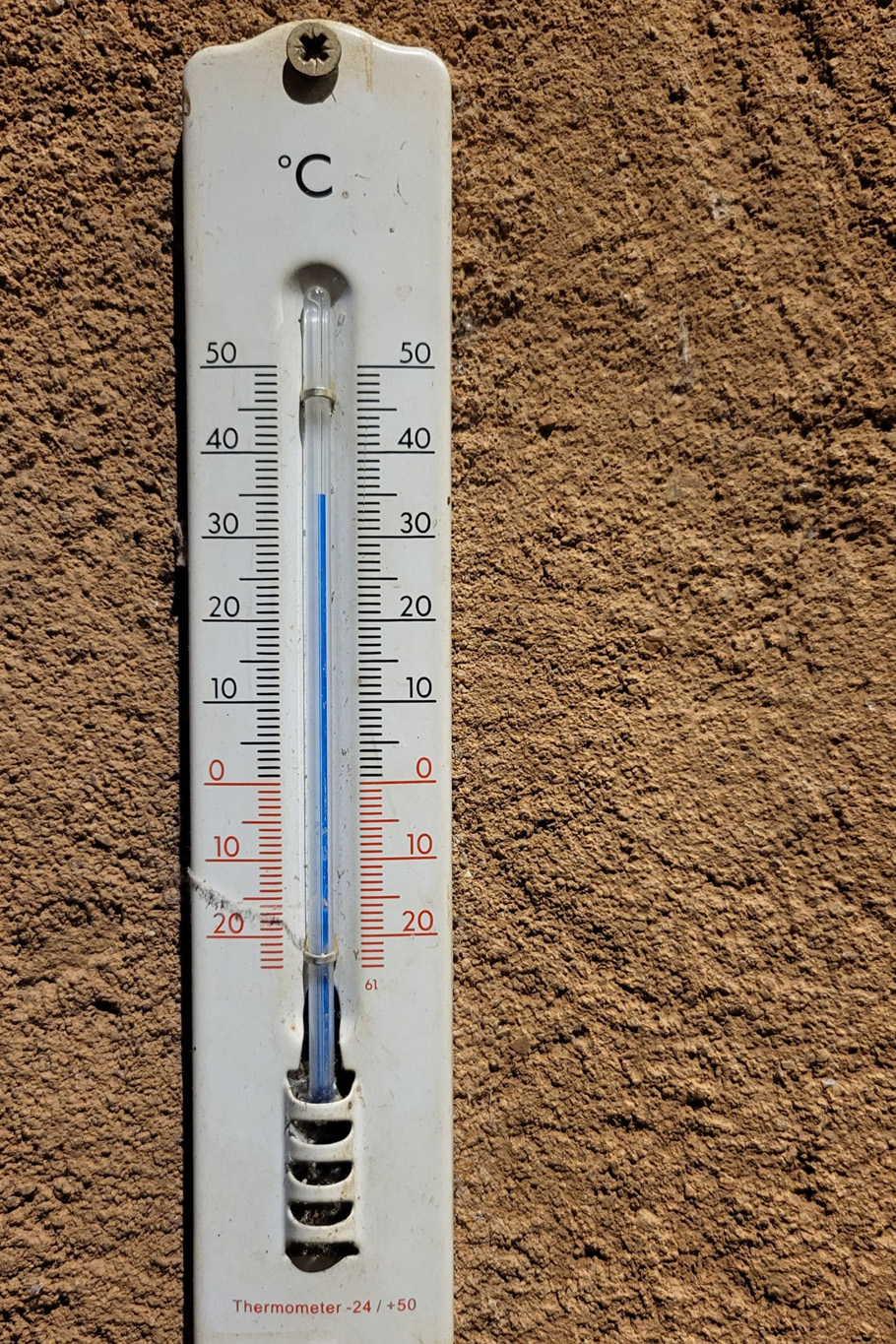
Zambia greeted us with intense heat. Mid-September is the peak of the dry season, and temperatures frequently soared above 40°C. However, we chose this timeframe on purpose.

South Luangwa moves through a dramatic cycle. It begins with the „Emerald Season” (November to April), where rains turn the park into a lush, green, and inaccessible jungle. This is followed by the cool, drying winter months. But by September, we enter the late dry season—often called the „suicide month” by locals due to the heat.

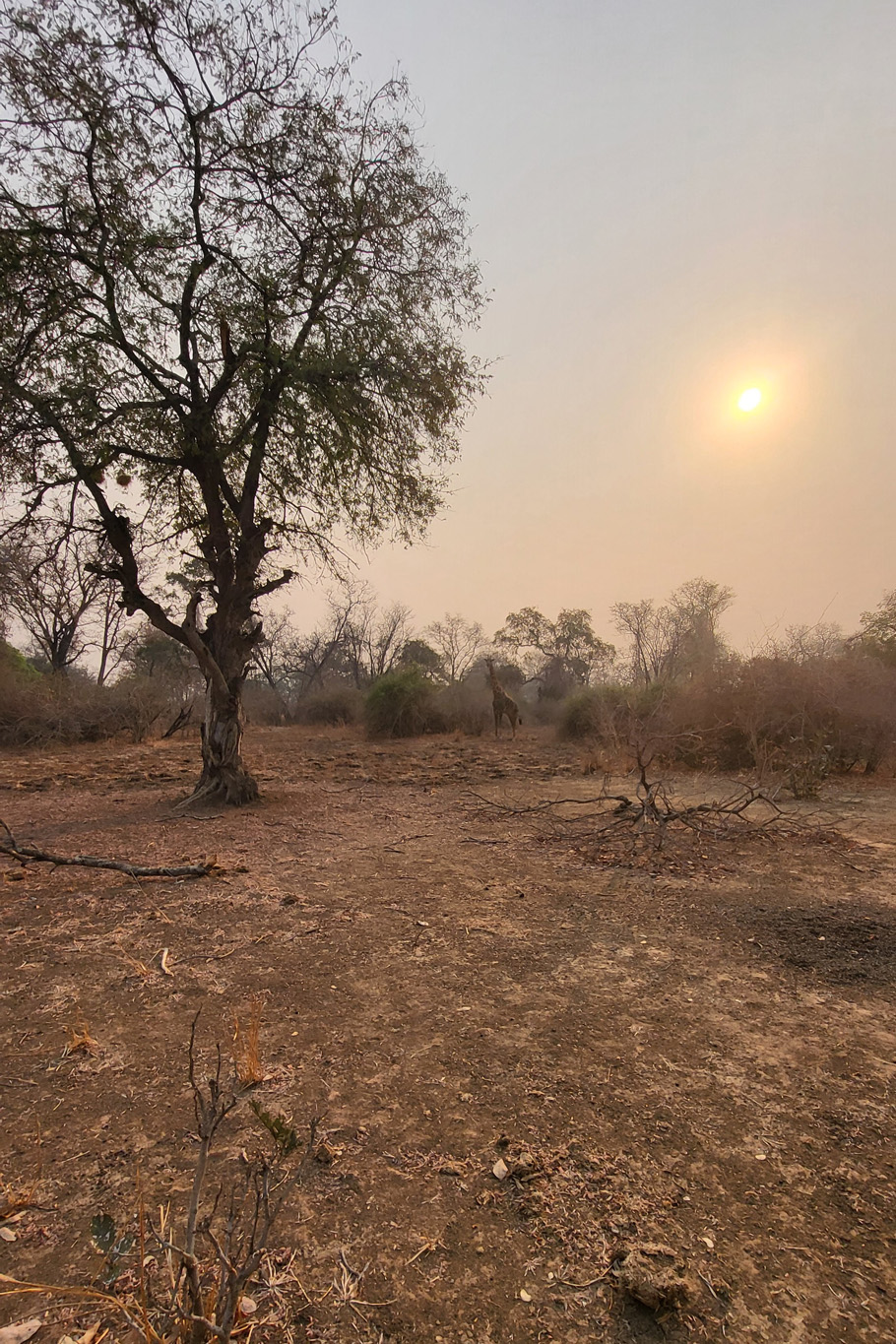
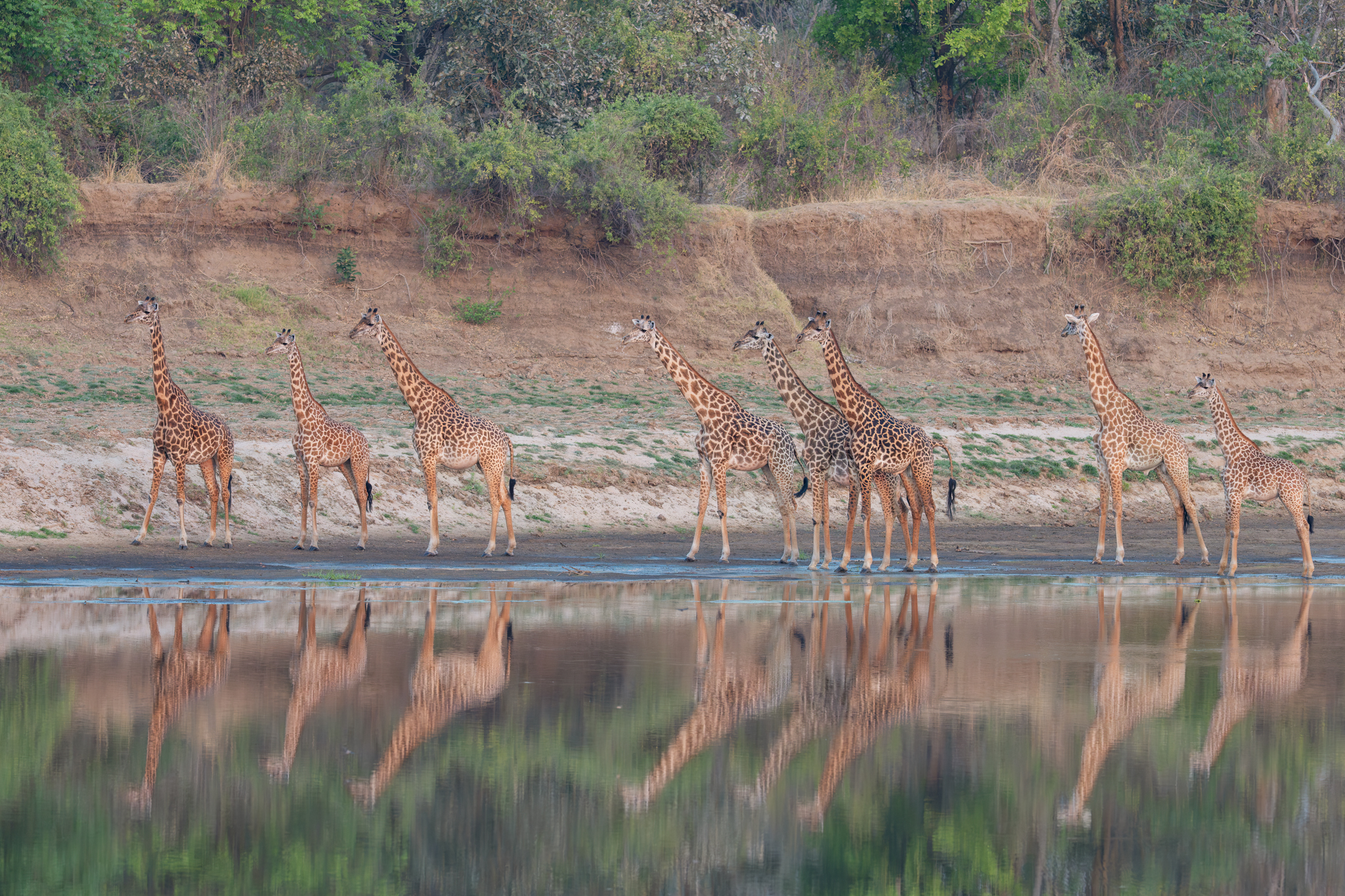
For wildlife photographers, however, this harsh window is perfect. The vegetation has died back, thinning the bush and making visibility excellent. More importantly, the smaller waterholes have evaporated, forcing all wildlife to congregate—desperate and focused—around the few remaining sources of water.

The Magic of the Valley

Two weeks of intensive safari revealed the amazing variety of landscapes in South Luangwa, from thick, thorny undergrowth to savannah-like open grasslands and dried-out marshes.

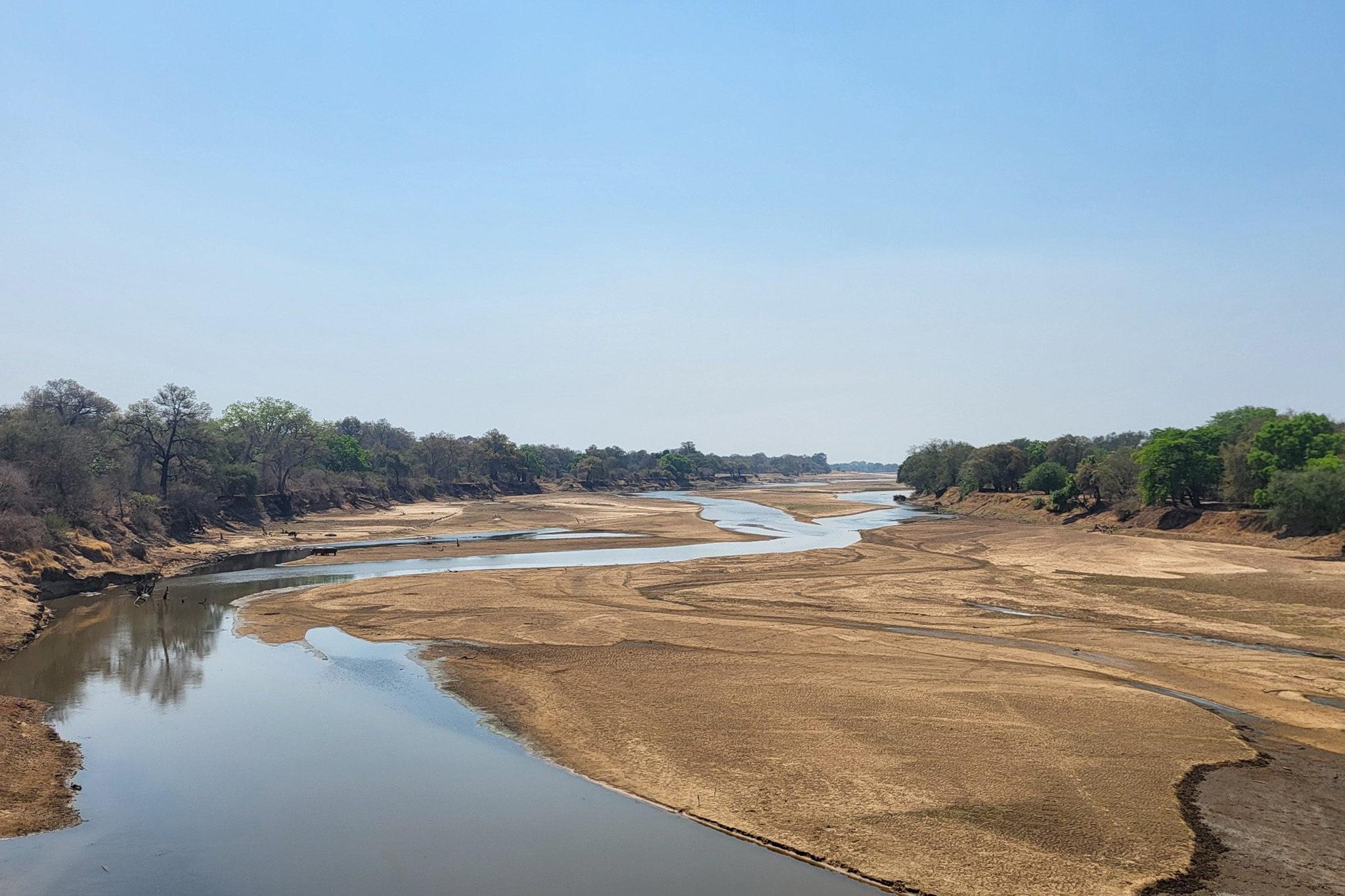
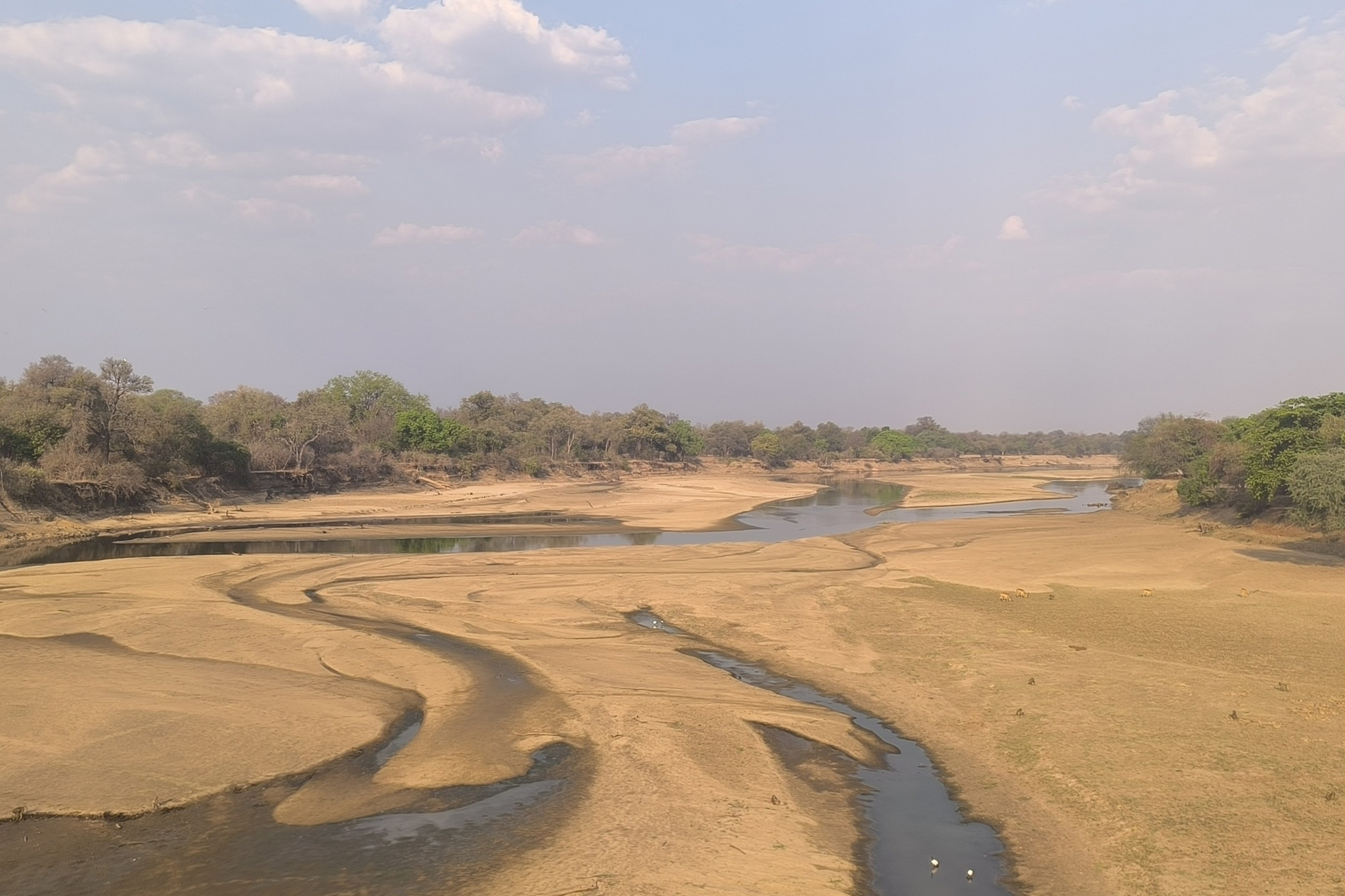
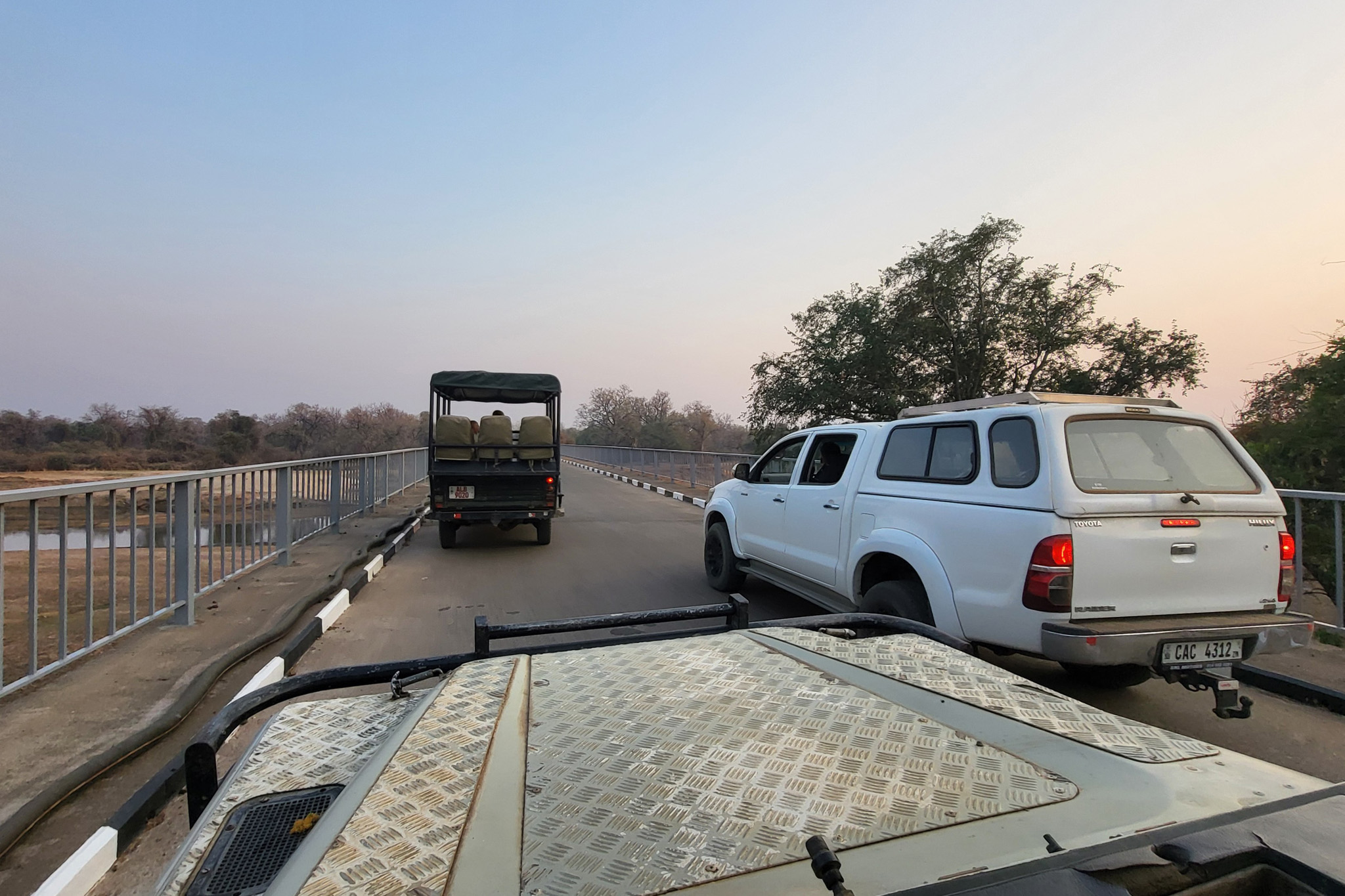
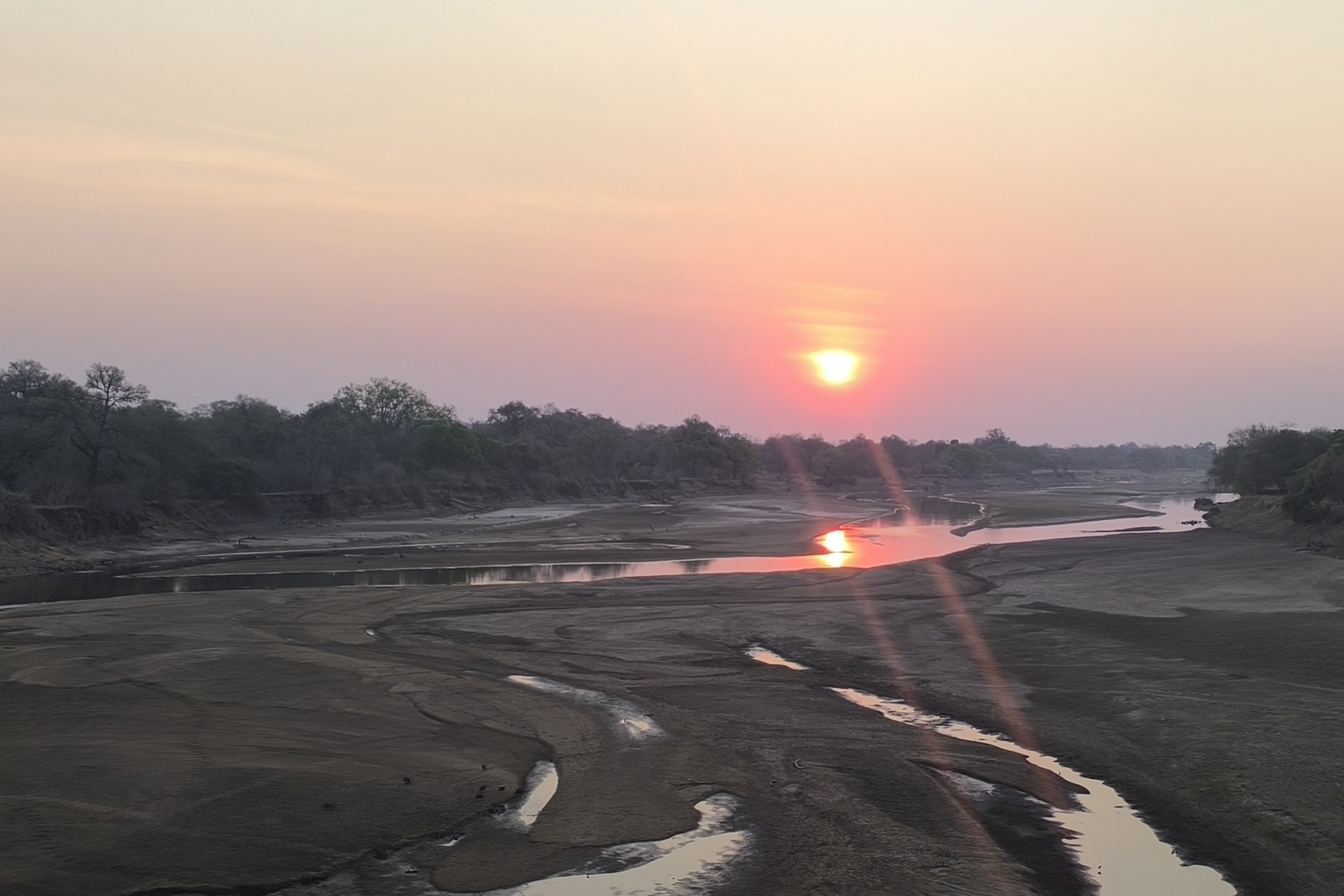
The magic of this place lies in its scale—breathtaking spaces stretching to the horizon, filled with teeming wildlife. Every time we crossed the famous Luangwa Bridge, it felt like entering a different world. This imposing structure is the only connection between the village of Mfuwe and the park, offering a high vantage point that reveals the true width of the river valley. Below, the water winds through sandbanks like a snake.

The magic of this place lies in its scale—breathtaking spaces stretching to the horizon, filled with teeming wildlife. Every time we crossed the famous Luangwa Bridge, it felt like entering a different world. This imposing structure is the only connection between the village of Mfuwe and the park, offering a high vantage point that reveals the true width of the river valley. Below, the water winds through sandbanks like a snake.

Beyond the main river channel lies the park’s secret weapon: the oxbow lagoons. These are ancient bends of the river that were cut off over centuries of flooding. During the rainy season, the river spills over, filling these basins to the brim. As the dry season progresses and the river recedes, these lagoons act as natural reservoirs. They become shrinking, mud-filled traps that concentrate fish, attracting hundreds of storks, herons, and hungry crocodiles, while providing the last lush grazing grounds for hippos and antelopes.

Safari Experience

Our main reason for choosing South Luangwa National Park as our destination was the Carmine Bee-eaters. We wanted to witness thousands of these colorful birds returning to the banks of the Luangwa River to establish their colonies and dig nesting holes. This was definately the most memorable experience as you find yourself in the middle of swirling chaos of wings and ever growing chatter.

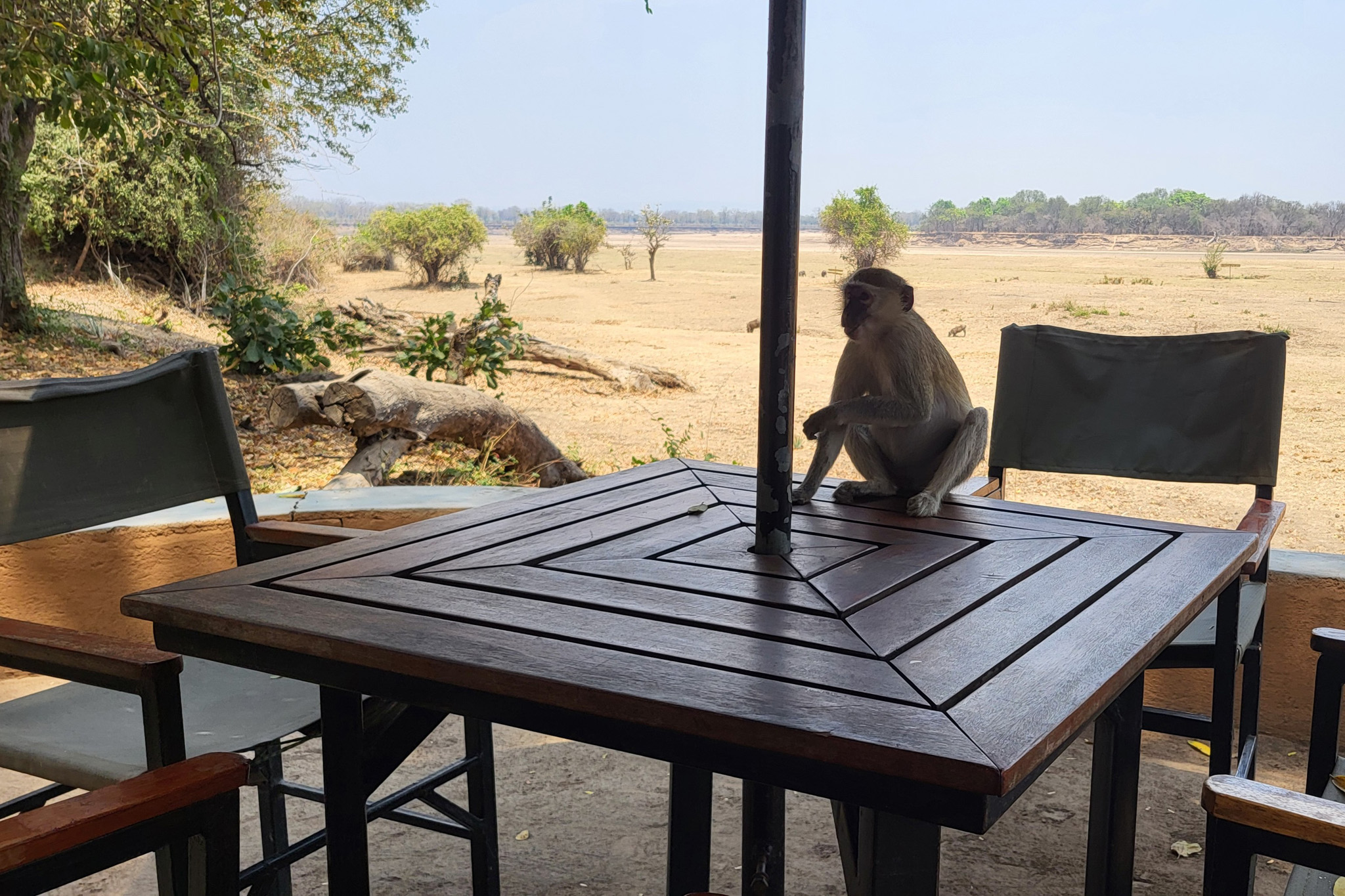
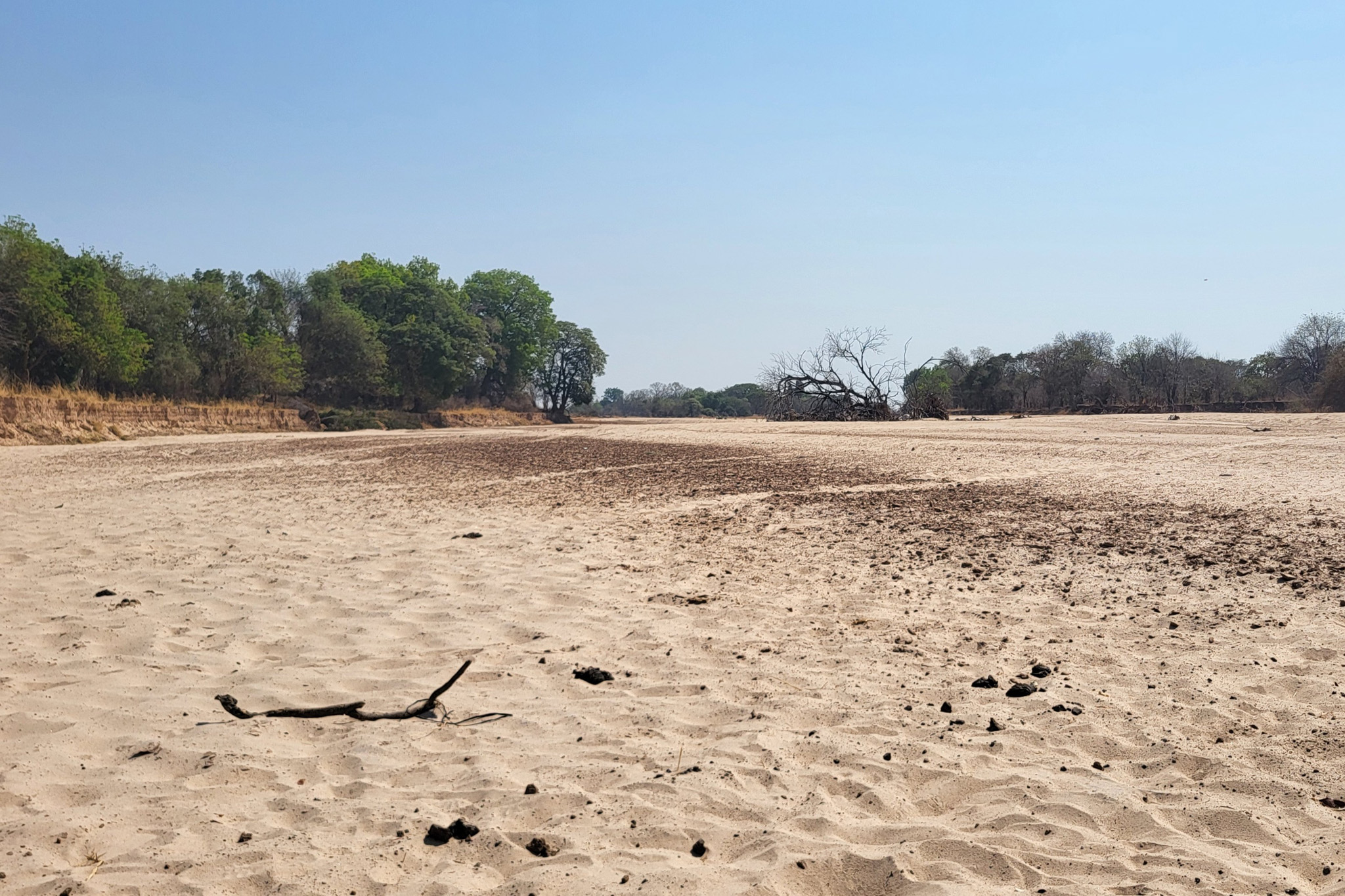
However, dry season is a prime time for all types of wildlife sightings, as life in the park concentrates around the only remaining water source – the Luangwa River. Once a powerful torrent, the river was reduced to about a quarter of its usual size, with steep, dried-out banks serving as a reminder of its seasonal power. While we hoped to see lions hunting, we found that the local pride was in mating season and had scattered. 

We had quite a few leopard sightings, but due to their elusive nature and stealthy hunting style, they were very hard to find and photograph. They really like to hide in the bushes so its best to manage your expectations in that respect.

Leopards and other nocturnal animals are far easier to spot during night game drives, we decided to skip those whenever possible. Aside from not wanting to spook nocturnal animals, night photography isn’t really our thing. Instead, we asked our guides to start our morning safari drives roughly 15–20 minutes earlier so we could arrive at the gates at 6:00 AM sharp. Skipping the night drives gave us an extra hour or so to sort pictures, clean our lenses, and set up our gear for the next morning. Time well invested!